
Sacramento heat destroys exterior paint faster than almost any other climate factor. With average summer highs reaching 93°F and surface temperatures on south-facing walls exceeding 160°F, your home's paint film endures thermal stress that breaks down binders, bleaches pigments, and accelerates every form of coating failure. Sacramento averaged 23 days above 100°F per year between 1991 and 2020 -- and 2024 shattered that record with 45 triple-digit days (CBS Sacramento, 2024).
Understanding exactly how heat and UV radiation damage exterior paint helps you choose the right products, time your repaints, and protect your investment. This guide covers the science behind each type of damage, which walls and colors are most vulnerable, the best heat-resistant paint options for Sacramento homes, and a prevention strategy that extends your paint job's lifespan by years.
How Sacramento's Climate Attacks Exterior Paint
Sacramento's Central Valley location creates a uniquely hostile environment for exterior coatings. The combination of extreme heat, intense UV exposure, low humidity, and dramatic temperature swings subjects paint to multiple damage mechanisms simultaneously.
Temperature Extremes and Thermal Cycling
Sacramento doesn't just get hot. It cycles between hot and cool rapidly. Summer daytime highs regularly exceed 100°F while nighttime lows drop into the 60s -- a 40-degree swing in 12 hours. That temperature differential causes painted surfaces to expand and contract daily, stressing the paint film at a microscopic level.
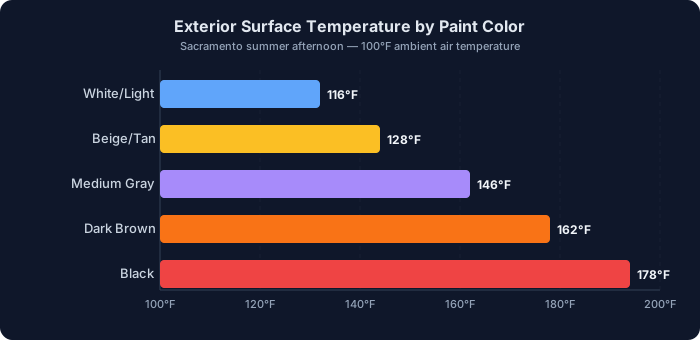
The real damage metric isn't air temperature. It's surface temperature. When ambient air hits 100°F, a dark-painted south-facing wall can reach 170–180°F (Weather Spark). At those temperatures, chemical bonds in the paint binder start breaking down. The film becomes brittle over repeated heating cycles, losing the flexibility it needs to expand and contract with the substrate beneath it.
This thermal cycling also affects the substrate. Wood siding expands and contracts with heat. Stucco develops hairline cracks from repeated stress. When the substrate moves underneath an increasingly rigid paint film, adhesion fails. The paint cracks, lifts, and eventually peels.
UV Radiation Damage
Sacramento's summer UV index regularly hits 8–10, classified as "very high" exposure (Weather Network). UV radiation is the primary cause of paint fading and chalking -- two of the most visible forms of exterior paint failure.
Here's what UV rays do to paint at the molecular level:
- Pigment degradation: UV photons break down organic pigment molecules, causing color loss. Red and blue pigments are most vulnerable, which is why those colors fade fastest
- Binder breakdown: UV radiation attacks the acrylic or alkyd binder that holds pigment particles together. As the binder deteriorates, pigments loosen and form a powdery chalk layer on the surface
- Film erosion: Over years, UV exposure physically thins the paint film. A coating that started at 3 mils thickness can erode to 1.5 mils, losing half its protective capacity
Without UV-resistant additives, exterior paints in direct Sacramento sun can lose up to 40% of their original color intensity within 3–5 years (Emerald Painting, 2025). Modern premium paints with built-in UV absorbers reduce that annual fade rate from roughly 7% to 1–3% (Colorado Painting, 2025).
Low Humidity and Rapid Drying
Sacramento's summer humidity regularly drops below 20%. That bone-dry air creates two problems for exterior paint.
First, low humidity accelerates moisture loss from paint films. Paint doesn't just dry once and stay static. It continues to lose plasticizers and moisture over its lifetime, and low-humidity conditions speed that process. The result is premature embrittlement -- paint that becomes rigid and crack-prone years before it should.
Second, low humidity during application causes paint to dry too fast. When paint skins over before solvents fully evaporate, gases get trapped beneath the surface film. This is the primary cause of blistering on Sacramento homes painted during peak summer heat. For proper application timing, our seasonal painting guide covers the best months to paint in Sacramento.
Five Types of Heat Damage to Exterior Paint
Heat and UV don't destroy paint in a single way. They trigger different failure modes depending on the surface, exposure direction, and paint quality. Recognizing each type helps you catch problems early and address root causes rather than just symptoms.
1. Fading and Discoloration
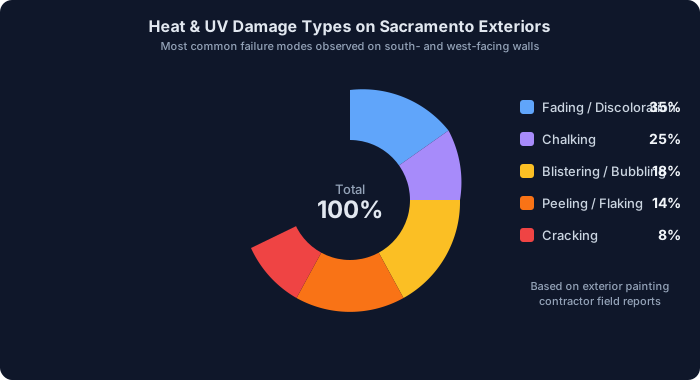
Fading is the most common heat-related paint failure in Sacramento, accounting for roughly 35% of exterior coating complaints from painting contractors. UV radiation breaks down pigment molecules, causing gradual color loss that's most noticeable on south- and west-facing walls.
The severity depends on color choice. Dark and vibrant colors absorb more UV energy, which accelerates pigment breakdown. A dark red or navy blue can fade visibly within 2–3 years on a sun-exposed wall, while the same color on a shaded north wall may hold for 8+ years.
Colors ranked by UV fade resistance (most to least durable):
- White and off-white -- Inorganic titanium dioxide pigment resists UV breakdown
- Earth tones (beige, tan, brown) -- Inorganic iron oxide pigments hold well
- Medium gray and sage green -- Moderate absorption, moderate fade
- Bright yellow and orange -- Organic pigments fade faster
- Red, blue, and dark green -- Organic pigments degrade fastest under UV
For Sacramento homes that get direct afternoon sun, our guide to the best exterior paint colors for California factors in UV resistance alongside curb appeal.
2. Chalking
Chalking is the powdery, chalk-like residue you feel when you rub your hand across sun-exposed paint. It's caused by UV radiation degrading the paint binder, which releases loose pigment particles onto the surface (Colorado Painting, 2025).
Some chalking is actually engineered into paint formulations. Controlled chalking creates a self-cleaning effect -- rain washes away the chalk layer along with surface dirt, exposing fresh paint beneath. The problem occurs when chalking becomes excessive, visibly lightening the color and thinning the film below its protective threshold.
Signs of problematic chalking:
- Heavy white residue transfers to your hand when you touch the wall
- Color appears noticeably lighter than protected areas under eaves
- Paint feels rough and powdery rather than smooth
- Chalk residue stains concrete, walkways, or adjacent surfaces
Excessive chalking on your Sacramento home is a clear signal that the paint's UV protection has been depleted. If you're seeing this, our guide on how often to repaint your house in Sacramento can help you plan your next project.
3. Blistering and Bubbling
Blistering occurs when heat causes trapped moisture or solvents to expand beneath the paint film, pushing it outward into bubbles. Sacramento's extreme surface temperatures -- exceeding 160°F on dark-colored walls -- accelerate this process dramatically.
Two distinct types of blistering affect Sacramento homes:
- Heat blisters form in the top coat only. They develop during the hottest part of the day and may partially flatten overnight. These typically indicate paint applied in excessive heat or direct sunlight
- Moisture blisters penetrate through to the substrate. They don't flatten and often contain liquid when popped. These signal a deeper moisture problem that the heat is exacerbating
Heat blisters are especially common when painters apply coatings during Sacramento's summer months. Paint applied to surfaces above 90°F dries too rapidly on the outside while remaining wet underneath (Sherwin-Williams, 2024). Proper exterior painting preparation and timing prevent this entirely.
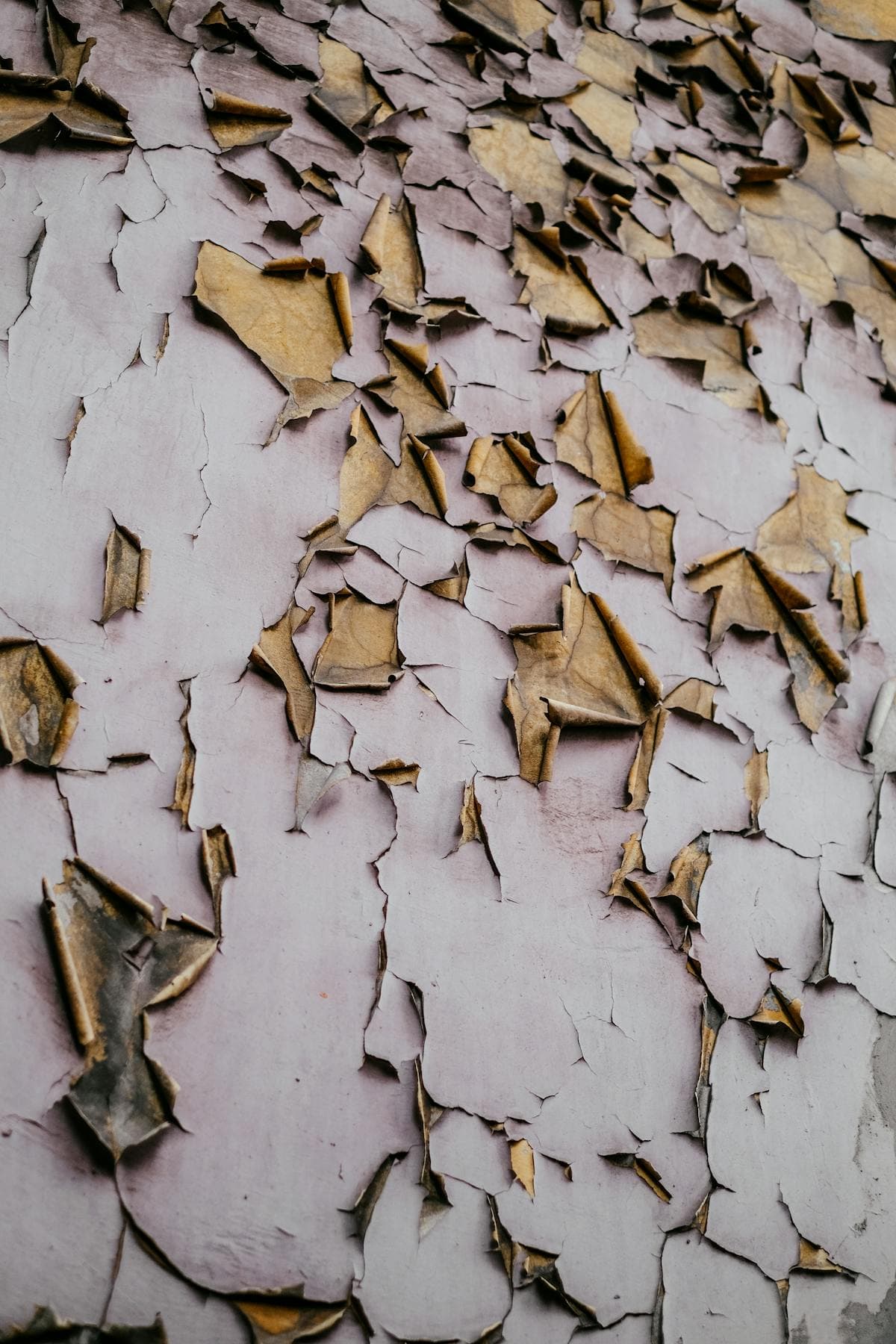
4. Peeling and Flaking
Peeling is what happens when heat damage progresses unchecked. Fading and chalking degrade the paint film's integrity. Thermal cycling stresses adhesion. Eventually, the coating loses its grip on the substrate and pulls away in sheets or flakes.
In Sacramento, peeling follows a predictable pattern. South- and west-facing walls fail first, typically 2–3 years before north- and east-facing walls painted at the same time with the same product. Areas without overhang protection peel before protected areas. Dark colors peel before light colors on identical surfaces.
The progression typically runs: fading followed by chalking followed by cracking followed by peeling. Catching problems at the fading or chalking stage is far cheaper to address. Once peeling starts, you're looking at full preparation and repainting. Our guide on fixing peeling paint covers the repair process in detail.
5. Cracking and Alligatoring
Cracking begins as fine hairline fractures in the paint film. Left unchecked, the cracks widen and form a pattern resembling alligator skin -- hence the term "alligatoring." Sacramento's thermal cycling is the primary driver.
The mechanism: paint films become increasingly brittle from UV exposure and heat. They lose the elasticity needed to flex with daily temperature swings. Rigid film plus expanding substrate equals cracks.
Cracking is especially prevalent on:
- Stucco surfaces that move with thermal expansion
- Older paint (5+ years) that has lost plasticizers
- Multiple paint layers where different coatings expand at different rates
- Budget paints formulated with lower-quality binders
For stucco homes dealing with cracking, elastomeric paint offers a solution. Its 300–800% stretch capacity absorbs thermal movement without cracking.
Which Walls Take the Most Damage?
Not every side of your Sacramento home receives equal punishment. Understanding directional exposure helps you prioritize maintenance, allocate budget, and choose appropriate products for each elevation.
South-Facing Walls
South-facing walls receive the most total sun exposure throughout the year. In Sacramento, these walls get direct sunlight from roughly 10 AM to 4 PM during summer months -- 6+ hours of continuous UV bombardment at peak intensity. Surface temperatures on dark-colored south walls routinely exceed 160°F on triple-digit days.
These walls typically show heat damage 2–3 years before other elevations. Budget for more frequent maintenance or invest in premium UV-resistant paint on south-facing surfaces.
West-Facing Walls
West-facing walls receive the hottest sun. Afternoon exposure from 1–7 PM coincides with the highest air temperatures of the day. While south walls get more total hours, west walls experience the most intense thermal stress because ambient temperatures are already elevated when the sun hits them.
West walls are also more prone to blistering during fresh paint applications. The afternoon sun hits hardest right when midday-applied paint is still curing.
North-Facing Walls
North-facing walls receive minimal direct sun and typically last 3–5 years longer than south or west elevations. Their primary concern isn't UV damage but moisture. Shaded walls dry more slowly, making them vulnerable to mildew, efflorescence, and moisture-related paint failures rather than heat damage.
East-Facing Walls
East-facing walls get morning sun when temperatures are cooler. This is the gentlest exposure. East walls generally match north walls in paint longevity and are the lowest priority for heat-related maintenance.
| Wall Direction | Sun Exposure | Surface Temp Risk | Paint Lifespan (Typical) | Priority |
|---|---|---|---|---|
| South | 6+ hrs peak UV | Highest (160°F+) | 5–7 years | Highest |
| West | 4–6 hrs hottest sun | Very high (155°F+) | 5–8 years | High |
| East | 4–5 hrs morning sun | Moderate (120°F) | 8–12 years | Low |
| North | Minimal direct | Low (100–110°F) | 8–12 years | Low (moisture risk) |
Best Exterior Paint for Hot Weather in Sacramento
Paint selection is your single biggest lever for preventing heat damage. The difference between a budget paint and a premium UV-resistant formulation can mean 3–5 extra years of protection on your Sacramento home's sun-exposed walls.
Premium Acrylic Latex: The Standard for Sacramento Heat
100% acrylic latex is the baseline for any Sacramento exterior paint job. Acrylic binders resist UV degradation better than vinyl-acrylic or alkyd alternatives. They maintain flexibility through thermal cycling and won't yellow or become brittle from heat exposure.
Two premium lines stand out for Sacramento's climate:
Sherwin-Williams Duration Exterior -- Specifically formulated with PermaLast technology for UV protection. Resists fading, cracking, and peeling under intense sun and temperature swings. Excellent adhesion on properly prepared surfaces. Cost: $70–$85 per gallon (Consumer Reports, 2026).
Benjamin Moore Aura Exterior -- Color Lock technology provides superior fade resistance for dark and vibrant colors that typically degrade fastest. Strong mildew resistance for Sacramento's occasional winter moisture. Cost: $75–$90 per gallon. For a deeper comparison of these two brands, see our Sherwin-Williams vs Benjamin Moore guide.
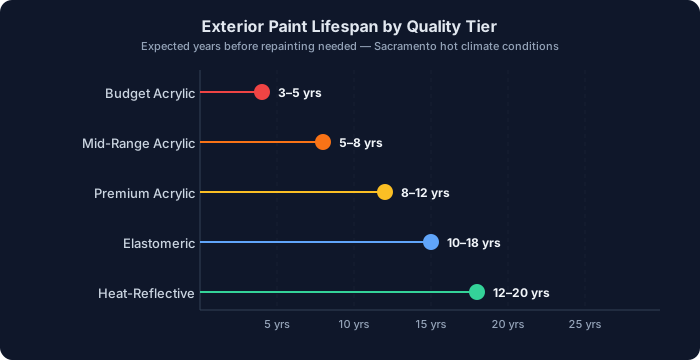
Both products carry 2–4x the UV-resistant additives of their mid-range counterparts. On a south-facing Sacramento wall, that translates to roughly 8–12 years versus 5–7 for mid-range and 3–5 for budget products.
Elastomeric Coatings for Stucco
Sacramento's large stock of stucco homes benefits from elastomeric coatings. These rubber-like paints stretch 300–800% to absorb thermal expansion without cracking. They're also 10 times thicker than standard paint, providing better UV protection and insulation.
Elastomeric coatings cost $900–$2,000 more than standard acrylic for a typical Sacramento home, but their 10–18 year lifespan in hot conditions makes them cheaper annually. Our complete elastomeric paint guide breaks down the cost-benefit calculation.
Heat-Reflective Coatings
Solar-reflective exterior paints represent the cutting edge of heat protection. These coatings incorporate infrared-reflective pigments that bounce solar radiation away from the surface rather than absorbing it. The result: surface temperatures 20–40°F cooler than conventional paint in the same color (EPA).
Benefits for Sacramento homeowners:
- Lower surface temperatures reduce thermal stress on the paint film itself
- Reduced cooling costs -- reflective coatings can cut peak cooling demand by 11–27% (EPA)
- Extended paint lifespan from reduced UV and heat absorption
- California Title 24 compliance for cool roof and wall requirements
Heat-reflective technology is available from major manufacturers including Sherwin-Williams (SherMax Reflective) and Behr (Premium Elastomeric Masonry Paint with reflective technology).
Paint Selection by Surface
| Surface Type | Best Product Type | Expected Lifespan | Key Feature |
|---|---|---|---|
| Wood siding | Premium 100% acrylic | 7–10 years | Flexibility for expansion |
| Stucco | Elastomeric coating | 10–18 years | Crack-bridging |
| Fiber cement | Premium acrylic | 10–15 years | Fade resistance |
| Trim and fascia | UV-resistant gloss acrylic | 5–8 years | High UV protection in sheen |
| Previously painted | Matching binder type | Varies | Compatibility |
Sacramento & Placer County
Need a real quote on your project?
Free, no-obligation walkthrough. Itemized estimate within 24 hours. Most jobs scheduled within 2–3 weeks.
How to Prevent Sacramento Heat Damage
Prevention combines smart product selection, proper application timing, and ongoing maintenance. Here's a systematic approach that Sacramento homeowners and painting contractors should follow.
Choose the Right Application Window
Timing your paint job for optimal conditions prevents application-related heat damage entirely. In Sacramento, the ideal exterior painting windows are:
- Early spring (March–May): Temperatures consistently in the 50–80°F range, low humidity, minimal rain. This is the best window for Sacramento exterior painting
- Early fall (September–October): Heat subsides, conditions stabilize. Second-best window
- Avoid June–August: Surface temperatures on sun-exposed walls exceed safe application limits during peak summer
If summer painting is unavoidable, professional painters follow the sun around the house -- painting east walls in the afternoon (when they're shaded), west walls in the morning, and north walls anytime. This "chase the shade" approach keeps surface temperatures within the 50–90°F application window most paint manufacturers specify.
Invest in Surface Preparation
Up to 80% of paint failures trace back to inadequate surface prep (Sherwin-Williams, 2024). In Sacramento's heat, proper preparation is even more critical because the margin for error shrinks. A poorly prepared surface that might last 5 years in a mild climate may fail in 2–3 years under Sacramento's thermal stress.
Essential preparation steps for heat-prone Sacramento homes:
- Power wash to remove all chalk, dirt, and loose paint. Chalked surfaces won't accept new paint
- Scrape and sand all peeling and flaking areas to sound substrate
- Prime bare surfaces with high-adhesion primer designed for hot-climate application
- Caulk all joints with premium polyurethane caulk rated for thermal cycling
- Repair substrate damage before painting -- rotted wood, cracked stucco, and failed mortar
Our exterior painting preparation guide covers each step in detail with Sacramento-specific considerations.
Apply Proper Film Thickness
Thin coats fail faster in Sacramento heat. Professional painters apply two full coats at manufacturer-specified spread rates -- typically 350–400 sq ft per gallon for flat finishes and 400–450 sq ft for satin or semi-gloss. Stretching a gallon beyond its rated coverage saves money upfront but costs more in early failure.
On south- and west-facing walls, some contractors apply a third coat for additional UV protection and film thickness. The extra $300–$500 in material and labor can extend paint life by 2–3 years on the most heat-exposed surfaces.
Maintain Landscaping for Shade
Strategic landscaping provides natural protection for your paint job:
- Deciduous trees on south and west sides shade walls during summer while allowing winter sun for warmth
- Awnings and overhangs protect the top 3–4 feet of wall below the roofline
- Trellises with climbing plants create a buffer between direct sun and painted surfaces
Even partial shade reduces surface temperatures by 20–30°F, which significantly slows UV degradation and thermal cycling stress.
Schedule Annual Inspections
Catching heat damage early prevents expensive full repaints. Walk your home's exterior every spring and check for these warning signs:
- Chalking (rub your hand on sun-exposed walls -- if white residue transfers, UV protection is depleting)
- Fading (compare sun-exposed areas to protected areas under eaves)
- Hairline cracking (look closely at south and west walls)
- Blistering or bubbling (check areas that received direct afternoon sun)
- Peeling at edges, around windows, and at trim joints
Address problems at the fading or chalking stage with touch-ups or a maintenance coat. Waiting until peeling develops means full preparation and complete repainting. For a full maintenance schedule, our guide on how often to repaint your house in Sacramento breaks down timing by surface and condition.
Sacramento Heat Damage vs. Other Climate Factors
Heat and UV aren't the only threats to Sacramento exterior paint. Understanding how they interact with other environmental factors gives you a complete picture of what your paint endures.
Heat + Moisture = Accelerated Failure
Sacramento's wet winters follow its dry, brutal summers. Paint weakened by months of UV exposure and thermal cycling enters the rainy season with compromised film integrity. Moisture penetrates micro-cracks created by heat damage, getting behind the paint film and causing blistering and peeling that becomes visible in spring.
This cycle is why exterior paint lifespan in Sacramento tends to be 1–2 years shorter than manufacturer estimates based on moderate climates.
Heat + Poor Prep = Rapid Failure
Sacramento's heat amplifies every preparation shortfall. Paint applied over chalk residue that might hold for 3 years in Seattle fails in 12–18 months here. A missed primer coat on bare wood that might last 5 years in Portland fails in 2–3 years under Sacramento's thermal stress.
The takeaway: in hot climates, preparation quality has a multiplied impact on paint longevity. This is why ProFlow Painting's process dedicates 60–70% of project time to preparation -- because in Sacramento's climate, cutting corners on prep doesn't just shorten paint life modestly. It cuts it in half.
Frequently Asked Questions
Why does exterior paint fade in Sacramento?
Sacramento's combination of high UV index (8–10 in summer) and extreme heat (23+ days above 100°F annually) breaks down paint pigments and binders faster than most U.S. climates. UV photons directly degrade organic pigment molecules, while heat accelerates the chemical breakdown. South- and west-facing walls fade 2–3 years faster than shaded or north-facing surfaces. Dark colors containing organic pigments (red, blue, dark green) fade fastest, while whites and earth tones containing inorganic pigments resist UV degradation longest.
How do I protect exterior paint from Sacramento heat?
Start with premium 100% acrylic paint containing UV-resistant additives -- Sherwin-Williams Duration and Benjamin Moore Aura are top choices for Sacramento's climate. Choose lighter colors for south- and west-facing walls. Apply two full coats at manufacturer-recommended spread rates. Time your paint job for spring (March–May) or early fall when surface temperatures stay below 90°F. Maintain shade trees and overhangs where possible. Inspect annually and address chalking or fading before it progresses to peeling.
What is the best paint for hot climates in California?
For most California homes in hot inland valleys like Sacramento, premium 100% acrylic latex with built-in UV inhibitors delivers the best balance of durability, fade resistance, and value. Sherwin-Williams Duration and Benjamin Moore Aura lead Consumer Reports testing for hot-climate performance (Consumer Reports, 2026). For stucco homes, elastomeric coatings provide superior crack-bridging and heat resistance. Heat-reflective coatings offer the highest protection but at premium pricing.
Why is my exterior paint chalking and peeling?
Chalking happens when UV radiation degrades the paint binder, releasing loose pigment particles as a powdery residue. Peeling follows when the weakened paint film can no longer grip the substrate through Sacramento's daily thermal cycling (40+ degree temperature swings between day and night). Common accelerators include budget paint with insufficient UV-resistant additives, dark colors that absorb more heat, poor surface preparation before painting, and south- or west-facing exposure. If chalking is moderate, a thorough wash and maintenance coat can extend the paint's life. Heavy chalking with peeling requires full preparation and repainting.
How long does exterior paint last in Sacramento's heat?
Paint longevity in Sacramento varies significantly by product quality and wall exposure. Budget acrylic paints last 3–5 years on sun-exposed walls. Mid-range products deliver 5–8 years. Premium acrylic latex (Duration, Aura) provides 8–12 years. Elastomeric coatings on stucco last 10–18 years. North- and east-facing walls typically last 3–5 years longer than south and west exposures. Proper surface preparation, application timing, and annual maintenance all extend these ranges. See our complete exterior paint lifespan guide for timelines by surface material.
Does lighter paint color really last longer in Sacramento?
Yes, measurably so. Light colors reflect more solar radiation, keeping surface temperatures 40–60°F cooler than dark colors under the same conditions. Lower surface temperatures reduce thermal stress on the paint film, slow UV-driven binder breakdown, and minimize thermal cycling fatigue. On a Sacramento south-facing wall, a white or light beige paint will typically last 2–4 years longer than a dark brown or navy. Earth tones (beige, tan, light brown) offer a middle ground -- warmer appearance with inorganic pigments that resist UV degradation.
Get a Heat-Damage Assessment for Your Sacramento Home
Sacramento's heat takes a real toll on exterior paint, but the right products, preparation, and timing make all the difference between a paint job that fails in 3 years and one that protects your home for 12+.
ProFlow Painting has seen every type of heat damage across hundreds of Sacramento-area homes. We know which walls need premium products, which surfaces need elastomeric protection, and how to time applications for maximum durability in our climate.
Your free exterior assessment includes:
- Wall-by-wall condition evaluation for heat and UV damage
- Surface temperature analysis by exposure direction
- Product recommendations matched to each elevation
- Detailed timeline and cost estimate
- Color consultation with fade-resistance guidance
Call (916) 740-7249 to schedule your free assessment. We serve Sacramento, Roseville, Folsom, El Dorado Hills, and surrounding communities with professional exterior painting built to withstand Sacramento's demanding climate.
Don't let another Sacramento summer accelerate your paint's decline. Contact ProFlow Painting today for expert guidance on protecting your home's exterior.
ProFlow Painting | Professional Exterior Painting | Sacramento, CA | (916) 740-7249
Free quote · Sacramento & Placer County
Ready for a real estimate, not a guess?
Tell us about your project and we'll walk it with you in person. Itemized quote within 24 hours, no high-pressure sales.