
Most commercial buildings in Sacramento need repainting every 3 to 10 years, with the exact timeline depending on building type, surface material, and how much traffic the space handles. Offices typically fall in the 3-to-5-year range for interiors, retail stores need fresh paint every 2 to 3 years, and warehouses can stretch to 5 to 7 years between full repaints.
That is the short answer. The longer answer involves Sacramento's 260-plus sunny days per year, summer temperatures that regularly exceed 100 degrees, and the specific wear patterns that different commercial spaces experience. A medical office lobby sees different abuse than a distribution warehouse floor, and the maintenance schedule should reflect that.
This guide breaks down exact commercial painting maintenance schedules by building type, the warning signs that mean your property needs attention now, and a seasonal maintenance calendar built around Sacramento's Central Valley climate. Whether you manage a single office suite in Midtown or a portfolio of retail and industrial properties across the region, these timelines will help you budget accurately and avoid the costly consequences of deferred maintenance.
How Often Should You Repaint a Commercial Building?
Sherwin-Williams recommends a general repaint cycle of every 5 to 7 years for commercial properties (CertaPro, 2025). But that number is an average across all building types and climates. Your actual schedule depends on three factors: what kind of business operates in the space, what the building is made of, and where in Sacramento it sits.
Here is a quick-reference table for the most common commercial property types in the Sacramento area:
| Building Type | Interior Repaint | Exterior Repaint | Key Driver |
|---|---|---|---|
| Office (low traffic) | Every 4-5 years | Every 7-10 years | Wear from furniture, scuffing |
| Office (high traffic) | Every 2-3 years | Every 5-7 years | Hallway and lobby degradation |
| Retail storefront | Every 2-3 years | Every 5-7 years | Brand freshness, customer perception |
| Restaurant / food service | Every 1-2 years | Every 3-5 years | Grease, moisture, health codes |
| Medical / dental office | Every 2-3 years | Every 5-7 years | Sanitation standards, patient perception |
| Warehouse / industrial | Every 5-7 years | Every 7-10 years | Safety markings, protective coatings |
| Multi-tenant commercial | Every 3-5 years | Every 5-8 years | Common area wear, tenant turnover |
These ranges assume quality paint products and proper surface preparation. Cut-rate paint jobs using builder-grade materials will hit the low end of each range or fail sooner.
Citation capsule: The industry-standard commercial repaint cycle is every 5-7 years (CertaPro, 2025), though high-traffic spaces like restaurants and medical offices may need interior refreshes every 1-3 years (Jung Family Painting, 2025).
Office Painting Schedule: Low-Traffic vs. High-Traffic Spaces
Not every office space wears at the same rate. A private executive suite with two people and carpet throughout will look fresh for 5 years. A call center with 50 desks, rolling chairs banging walls, and heavy foot traffic through narrow corridors? That space needs paint every 2 to 3 years.
Private Offices and Conference Rooms: Every 4 to 5 Years
Low-traffic private offices hold paint well. The main enemies are scuff marks from chair backs hitting walls and minor discoloration from sunlight through windows. South-facing offices in Sacramento buildings take more UV damage and may need touch-ups a year earlier than north-facing rooms.
Use satin or eggshell finishes in these spaces. They are easier to clean than flat paint and hide minor imperfections without the institutional look of semi-gloss.
Lobbies, Hallways, and Common Areas: Every 2 to 3 Years
High-traffic zones take a beating. Lobbies see hundreds of people daily, hallways collect scuff marks from carts and equipment, and elevator areas get bumped constantly. These spaces set the first impression for clients and visitors, so letting them deteriorate sends the wrong message.
Sacramento property managers we work with typically schedule lobby and hallway touch-ups annually and full repaints every 2 to 3 years. That cadence keeps the space looking professional without the disruption and cost of painting the entire building.
Break Rooms and Restrooms: Every 2 to 3 Years
Moisture, food splatter, and constant cleaning with harsh chemicals all degrade paint faster in these utility spaces. Use semi-gloss or high-gloss finishes that resist moisture and wipe clean easily. These higher-sheen paints cost slightly more per gallon but last significantly longer in wet environments.
Retail Store Painting Schedule
Retail environments demand fresh paint more frequently than most commercial spaces. Customers make snap judgments about a business based on appearance, and a retail space with faded walls, scuffed baseboards, and worn trim signals neglect regardless of product quality.
Interior: Every 2 to 3 Years
Retail interiors face constant contact from customers, shopping carts, merchandise displays, and seasonal reconfigurations. The walls around fitting rooms, checkout counters, and entry points take the most damage.
Beyond physical wear, retail spaces often repaint to align with brand refreshes or seasonal campaigns. A boutique in Midtown Sacramento might update accent walls annually while keeping base colors on a 3-year cycle. Big-box tenants in Natomas or Arden typically repaint during overnight or off-season windows to avoid revenue loss.
Exterior: Every 5 to 7 Years
Retail storefronts in Sacramento face the same climate challenges as any commercial exterior, plus the added pressure of maintaining curb appeal. Faded or peeling paint on a retail facade directly impacts foot traffic and customer perception.
Strip mall tenants along Arden Way, Howe Avenue, or Florin Road should coordinate exterior painting schedules with their landlord or property management company. Painting one unit while the adjacent storefront peels creates an uneven look that hurts everyone in the center.
For a deeper look at what commercial painting costs in Sacramento, including retail-specific pricing, check our full cost guide.
Restaurant and Food Service Painting Schedule
Restaurants are the hardest commercial environment on paint. Kitchen grease, steam, moisture from dishwashers, constant cleaning with degreasing chemicals, and high-volume foot traffic combine to degrade paint faster than any other commercial setting.
Kitchen and Back-of-House: Every 1 to 2 Years
Kitchen walls absorb grease and moisture regardless of coating quality. Health department inspections in Sacramento County evaluate wall condition as part of their scoring, and visibly deteriorated paint can trigger citations.
Use high-gloss or semi-gloss moisture-resistant coatings rated for commercial kitchen environments. Epoxy-based wall coatings last longer but cost significantly more upfront. For most Sacramento restaurants, a quality semi-gloss acrylic with annual touch-ups and full repaints every 18 to 24 months hits the right balance.
Dining Area: Every 2 to 3 Years
The dining room needs to look inviting. Chair backs scuffing walls, spilled food and drinks, and constant table rearrangement for events all take their toll. Dark accent walls hide wear better than light colors, but they also make spaces feel smaller.
Sacramento restaurants along the R Street corridor, in the Handle District, and throughout Midtown compete on ambiance as much as food. A fresh dining room repaint is one of the most cost-effective ways to refresh the guest experience without a full renovation.
Exterior: Every 3 to 5 Years
Restaurant exteriors face standard climate wear plus grease exhaust from kitchen ventilation systems. The area around exhaust vents and dumpster enclosures degrades fastest. Plan targeted touch-ups on these zones annually even if the full exterior is on a 5-year cycle.
Warehouse and Industrial Painting Maintenance
Warehouses have different painting priorities than customer-facing spaces. The primary concerns are protective coatings, safety markings, and floor systems rather than aesthetics.
Interior Walls: Every 5 to 7 Years
Warehouse interiors do not require frequent aesthetic updates. The main triggers for repainting are:
- Forklift and equipment damage to walls and columns
- Faded or worn safety markings (OSHA requires visible safety colors)
- Moisture damage in unheated or poorly ventilated sections
- Tenant turnover requiring color changes or branding updates
Standard warehouse wall paint lasts 5 to 7 years. However, walls in loading dock areas and forklift lanes may need touch-ups every 2 to 3 years due to impact damage.
Floor Coatings: Every 3 to 5 Years
Epoxy floor coatings in warehouses take enormous abuse from heavy equipment, pallet jacks, and chemical spills. Plan to recoat high-traffic floor areas every 3 to 5 years. Low-traffic storage areas can go 7 to 10 years between applications.
The cost of floor coating maintenance is significantly less than full replacement. Spot repairs and topcoat refreshes in heavily worn lanes can extend the life of the full system by several years.
Exterior: Every 7 to 10 Years
Warehouse exteriors in Sacramento's industrial corridors along Power Inn Road, Northgate Boulevard, and the McClellan Park area face the same UV and heat exposure as any commercial building but typically have more durable surfaces. Metal panel siding, tilt-up concrete, and CMU block all hold paint well when proper industrial coatings are used.
Safety striping on loading docks, fire lanes, and pedestrian walkways needs annual inspection and touch-up regardless of the building's general exterior schedule.
Citation capsule: Warehouses and industrial facilities require less frequent repainting than customer-facing commercial spaces, with interior walls lasting 5-7 years and exteriors 7-10 years, though safety markings and floor coatings need more frequent maintenance (Painters Inc., 2025).
How Sacramento's Climate Affects Commercial Paint Longevity
Sacramento's Central Valley climate creates specific challenges for commercial building maintenance that differ from coastal California or the Pacific Northwest. The same climate factors that drive residential repaint schedules apply to commercial properties, but with added complexity from building scale and material variety. Understanding these factors helps you set realistic repaint timelines for your property.
Extreme Summer Heat and UV Exposure
Sacramento averages over 260 sunny days per year, with summer temperatures regularly exceeding 100 degrees from June through September (QualityWise Painting, 2025). That intense UV exposure causes chalking, a powdery residue that forms on paint surfaces as the binder breaks down.
South-facing and west-facing walls take the worst punishment. A commercial building in Sacramento with significant south-facing exposure may need exterior repainting 1 to 2 years earlier than the standard schedule. Properties along open corridors like Highway 50, Interstate 80, or Capital City Freeway frontage roads get additional reflected heat from pavement.
Premium 100% acrylic paints with UV-blocking additives last 10 to 15 years on Sacramento commercial exteriors when properly applied. Economy paints fail in 5 to 7 years under the same conditions (Richards Painting, 2025). For a deeper dive into coating durability by material type, see our exterior paint lifespan guide.
Winter Moisture and Temperature Swings
Sacramento winters bring rain from November through March, with overnight temperatures dropping into the mid-30s while daytime highs reach the upper 50s. That 20-to-25-degree daily swing causes expansion and contraction in building materials, stressing paint films.
The combination of winter moisture and summer heat creates a one-two punch. Water penetrates micro-cracks in summer-stressed paint during winter rains. The next summer's heat then accelerates the failure of those compromised areas. This is why exterior painting preparation matters so much in the Sacramento region. Skipping proper caulking, patching, and priming before repainting sets up the next paint job for early failure.
Air Quality and Particulate Matter
Sacramento's air quality issues, including wildfire smoke in late summer and fall, deposit fine particulate matter on building surfaces. This buildup dulls exterior paint colors and can accelerate degradation of certain coating types. Annual pressure washing of commercial exteriors helps maintain appearance and extends paint life by removing these deposits before they bond permanently to the surface.
Sacramento & Placer County
Need a real quote on your project?
Free, no-obligation walkthrough. Itemized estimate within 24 hours. Most jobs scheduled within 2–3 weeks.
7 Warning Signs Your Commercial Property Needs Repainting
Sticking to a schedule is smart, but your building will also tell you when it needs attention. Watch for these signs:
-
Chalking. Rub your hand across the exterior surface. If you get a white powdery residue, the paint binder is breaking down from UV exposure. This is the earliest warning sign and means the protective layer is compromised.
-
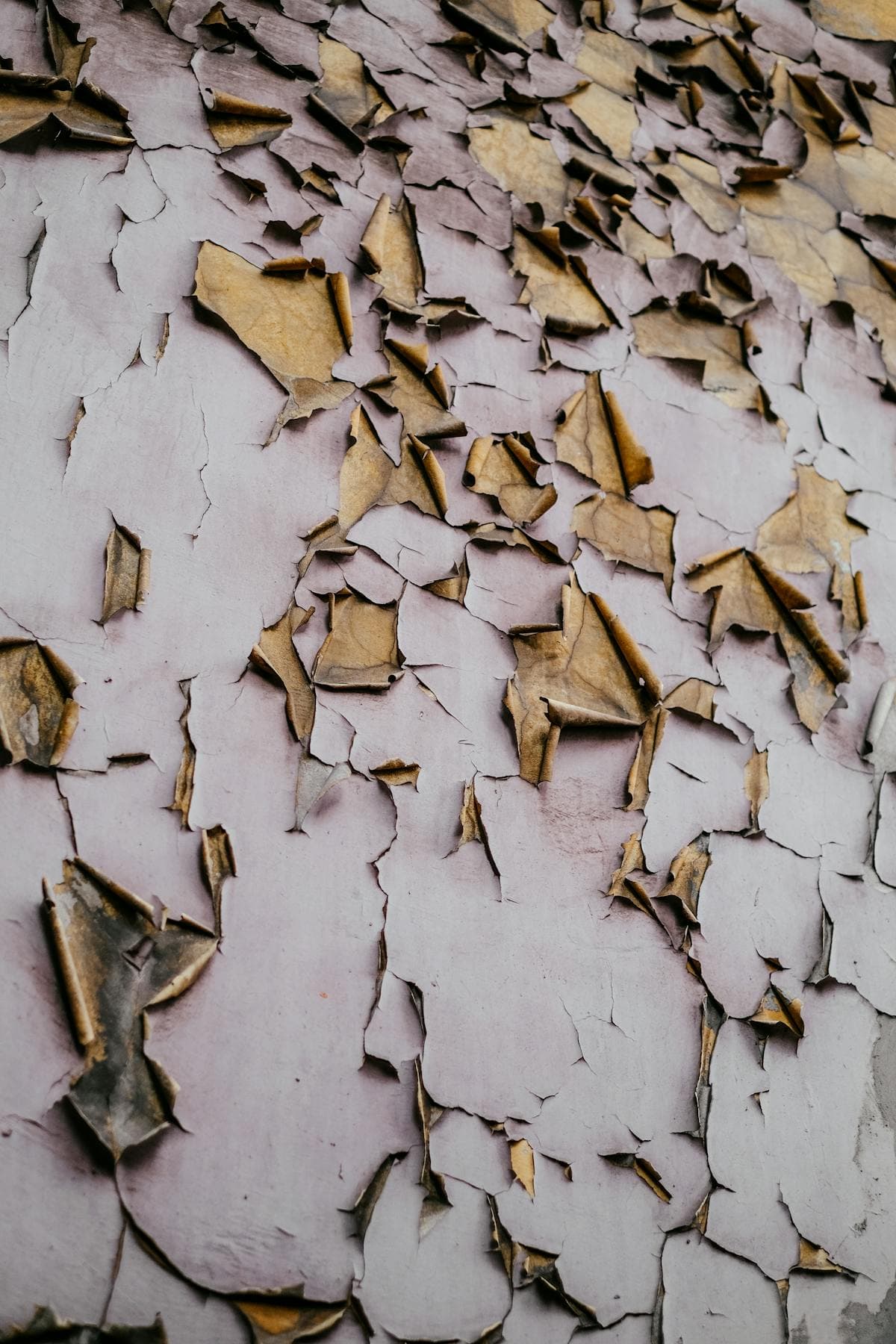
Cracking and flaking. Fine hairline cracks (called "checking") are stage one. Once cracks widen and paint begins to flake off, moisture is getting to the substrate. Act before this turns into a more expensive peeling paint repair.
-
Fading and color inconsistency. When south-facing walls look noticeably different from north-facing walls, UV damage has progressed beyond what cleaning can fix. This is especially visible on retail storefronts where brand-color consistency matters.
-
Bubbling or blistering. Bubbles under the paint film indicate moisture trapped beneath the coating. This is common around Sacramento commercial buildings with irrigation systems that spray building surfaces or poor gutter drainage.
-
Staining and discoloration. Water stains below rooflines, rust streaks from metal fixtures, and organic growth (mold or mildew) in shaded areas all signal coating failure. The north side of commercial buildings in the Sacramento area is most prone to organic growth.
-
Peeling caulk around windows and doors. When the caulk fails, water gets behind the paint. This often shows up first around window frames and door casings on commercial buildings and indicates both the caulk and surrounding paint need attention.
-
Visible substrate. If you can see bare wood, metal, or concrete through the paint, the protection is gone. This is urgent. Exposed substrate deteriorates rapidly in Sacramento's climate and repairs become significantly more expensive the longer you wait.
Seasonal Maintenance Calendar for Sacramento Commercial Properties
Sacramento's climate creates natural windows for painting and maintenance work. Here is a month-by-month planning calendar:
Spring (March through May): Prime Painting Season
This is the best time for exterior commercial painting in Sacramento. Temperatures are mild (60 to 85 degrees), humidity is moderate, and rain becomes infrequent by mid-April. Schedule major exterior repaints during this window.
- March: Conduct annual exterior inspection, document condition, get estimates
- April: Begin exterior painting projects (weather permitting)
- May: Complete exterior work before summer heat arrives
For more detail on seasonal timing, see our guide on when to paint your building's exterior. The same climate principles that apply to residential exteriors in Sacramento hold true for commercial properties.
Summer (June through August): Interior Focus
Sacramento summers are too hot for quality exterior painting. Temperatures above 90 degrees cause paint to dry too fast, preventing proper film formation and adhesion. Focus interior painting projects during this period when the building's HVAC system keeps conditions controlled.
- June: Schedule interior repaints for offices, lobbies, and common areas
- July-August: Complete restaurant and retail interior refreshes during slower summer months
Fall (September through November): Second Exterior Window
September and October offer another window for exterior painting as temperatures drop back into the 70s and 80s. This is also when wildfire smoke season peaks, so monitor air quality before scheduling exterior work. Particulate matter in the air can settle into wet paint and create adhesion problems.
- September: Touch up exterior safety markings and parking lot striping
- October: Complete any remaining exterior painting before the rainy season
- November: Final exterior inspection before winter; seal any exposed areas
Winter (December through February): Planning and Budget Season
Rain and cool temperatures make winter unsuitable for exterior painting. Use this time for planning and budgeting.
- December: Review the year's maintenance photos, plan next year's projects
- January: Set painting maintenance budgets, schedule spring projects
- February: Get competitive bids from commercial painting contractors
How to Extend Your Commercial Paint Job's Lifespan
Proper maintenance between repaints saves money and keeps your property looking professional longer. These five steps can add 1 to 3 years to any commercial paint job:
-
Pressure wash annually. Remove dirt, pollution, organic growth, and wildfire residue from exterior surfaces once per year. Spring is ideal in Sacramento, before the hot season bakes deposits onto the paint film.
-
Repair caulk failures immediately. Cracked or separated caulk around windows, doors, and expansion joints lets water behind the paint. A $200 caulking repair now prevents a $5,000 repaint later.
-
Touch up damage promptly. Keep matching paint on hand for spot repairs. Addressing scuffs, chips, and dings within weeks prevents moisture intrusion and limits the damage zone. This is especially important in high-traffic interior areas.
-
Control moisture at the source. Fix leaky gutters, redirect irrigation sprinklers away from building walls, and ensure proper grading directs water away from the foundation. Moisture is the number-one cause of premature exterior paint failure in Sacramento.
-
Choose the right products from the start. Premium 100% acrylic exterior paints with UV inhibitors cost 30 to 50 percent more per gallon than economy products but last nearly twice as long. Over a 15-year maintenance cycle, the premium product costs less per year. See our breakdown of Sherwin-Williams vs Benjamin Moore for commercial applications.
The Cost of Deferred Commercial Painting Maintenance
Skipping a scheduled repaint feels like saving money. It is not. Deferred painting maintenance creates a cascade of escalating costs:
-
Surface degradation. Every year past the recommended repaint window exposes substrate to moisture and UV damage. Wood rots. Metal rusts. Stucco cracks. The prep work required before repainting increases with each year of neglect.
-
Higher project costs. A building that needs scraping, patching, and priming across 40 percent of its surface costs significantly more to repaint than one that needs minimal prep. The paint itself is often the smallest line item on a commercial painting estimate. The prep work is where costs escalate.
-
Tenant and customer impact. Well-maintained commercial properties lease 30 to 45 days faster than comparable properties in dated condition (CBRE via Integrity Paint, 2025). Properties with regular paint maintenance see tenant retention rates up to 25 percent higher than neglected buildings (Paris Painting, 2025). For a property leasing at $2.00 per square foot per month, every vacant month on a 2,000-square-foot suite costs $4,000 in lost revenue.
-
Property value decline. Professional commercial painting can increase property value by 5 to 10 percent (Integrity Paint, 2025). Conversely, visible exterior deterioration signals deferred maintenance to appraisers, inspectors, and buyers, dragging valuations down.
How to Budget for Commercial Painting Maintenance
Building a realistic painting maintenance budget requires knowing your building type, total paintable area, and current condition. Here is a framework:
Step 1: Calculate Your Paintable Area
For a rough estimate, measure exterior wall area (height times perimeter minus window and door openings) and interior wall area (wall height times room perimeter for each space). Most commercial painting contractors will provide exact measurements during the bidding process.
Step 2: Apply Per-Square-Foot Rates
Sacramento commercial painting rates currently average $1.45 per square foot, with typical projects ranging from $1,643 to $2,989 based on 364 tracked local projects (Homeyou, 2026). Use this as a starting point and adjust based on your building type and condition. For full pricing detail, see our commercial painting cost guide.
Step 3: Divide by Your Repaint Cycle
Take your estimated total repaint cost and divide by the number of years in your maintenance cycle. That gives you the annual set-aside amount.
Example for a 5,000-square-foot office:
- Estimated repaint cost: $7,250 (at $1.45/sq ft)
- Repaint cycle: 4 years (interior, high-traffic office)
- Annual budget set-aside: $1,812.50
Add 10 to 15 percent for annual touch-ups and spot repairs. That brings the annual maintenance budget for this example to roughly $2,000 to $2,100.
Frequently Asked Questions
How often should a commercial building be repainted?
Most commercial buildings need interior repainting every 3 to 5 years and exterior repainting every 5 to 10 years. High-traffic spaces like restaurants and retail stores may need interior work every 1 to 3 years, while warehouses can go 5 to 7 years between interior repaints. The exact timeline depends on building type, surface material, paint quality, and local climate conditions.
What is the best time of year to paint a commercial building exterior in Sacramento?
April through May and September through October are the ideal windows for exterior commercial painting in Sacramento. Summer temperatures above 90 degrees cause paint to dry too quickly, and winter rain prevents proper curing. Spring offers the most consistent conditions, with temperatures in the 60-to-85-degree range and low humidity.
How do I know if my commercial building needs repainting?
The most common signs include chalking (white powder on surfaces when touched), cracking or flaking paint, visible fading or color inconsistency between wall faces, bubbling or blistering, staining from water or rust, and any areas where bare substrate is visible. Quarterly visual inspections with photo documentation help catch these signs early.
Does commercial building paint maintenance affect property value?
Professional commercial painting can increase property value by 5 to 10 percent, and well-maintained properties lease 30 to 45 days faster than comparable buildings in dated condition (CBRE via Integrity Paint, 2025). Tenants in freshly painted spaces renew leases at rates up to 35 percent higher than those in units not painted in over five years.
How much does it cost to repaint a commercial building in Sacramento?
Sacramento commercial painting averages $1.45 per square foot, with typical projects ranging from $1,643 to $2,989 (Homeyou, 2026). Costs vary by building type, surface condition, and scheduling requirements. See our full commercial painting cost breakdown for detailed pricing by building type.
Can I extend my commercial paint job's lifespan?
Annual pressure washing, prompt caulk repair, immediate touch-ups on damaged areas, proper moisture management, and using premium 100% acrylic paints with UV inhibitors can add 1 to 3 years to a commercial paint job. Premium products cost more upfront but reduce the frequency of full repaints, saving money over time.
Keep Your Commercial Property Looking Its Best
A structured commercial painting maintenance schedule protects your investment, maintains tenant satisfaction, and avoids the escalating costs of deferred maintenance. Whether your property is a professional office in Downtown Sacramento, a retail center along Arden Way, or a warehouse in the Power Inn corridor, the right maintenance cadence keeps it looking sharp and holding value.
ProFlow Painting works with commercial property owners and managers throughout the Sacramento and Bay Area regions. We handle everything from annual touch-up programs to full exterior repaints, scheduled around your tenants and business operations. Get a free commercial painting estimate and we will build a maintenance schedule tailored to your building type, condition, and budget.
Free quote · Sacramento & Placer County
Ready for a real estimate, not a guess?
Tell us about your project and we'll walk it with you in person. Itemized quote within 24 hours, no high-pressure sales.