
Your home's exterior paint does more than create curb appeal. It protects your siding from weather damage, moisture intrusion, and UV degradation. Understanding how long exterior paint lasts helps you budget for maintenance and prevents costly structural damage from waiting too long to repaint.
The answer isn't simple. Exterior paint lifespan varies dramatically based on your surface material, climate conditions, paint quality, and maintenance habits. A properly painted house in California can last anywhere from 5 to 15 years, while some premium applications on ideal surfaces can push beyond 20 years.
This guide breaks down exactly what determines paint durability, specific timelines for different siding materials, warning signs that it's time to repaint, and proven strategies to maximize your investment. Whether you're evaluating a recent paint job or planning your next exterior refresh, you'll learn how to protect your home and extend your paint's lifespan.
Average Exterior Paint Lifespan by Surface
How long does exterior paint last? The surface material beneath your paint has the biggest impact on longevity. Each material interacts differently with paint, affecting adhesion, expansion, and moisture resistance.
Wood Siding: 3-7 Years
Wood siding typically requires repainting every 3-7 years. Natural wood expansion and contraction with temperature and humidity changes stresses paint films. High-quality acrylic latex paints on properly primed wood can reach the 7-year mark, while bargain paints may fail in just 3 years.
Cedar and redwood naturally resist moisture better than pine, often extending paint life by 1-2 years. However, any wood exposed to direct weather without adequate overhang protection will need more frequent attention.
Stucco: 5-10 Years
Stucco holds paint well, delivering 5-10 years of protection when properly applied. The porous surface creates excellent mechanical adhesion, but quality matters. Elastomeric paints specifically formulated for stucco can reach the 10-year threshold while providing flexibility for minor movement.
New stucco requires thorough curing (30-60 days) before painting. Rushing this process traps alkaline moisture that destroys paint adhesion from beneath, dramatically shortening lifespan.
Fiber Cement: 10-15 Years
Fiber cement siding like James Hardie delivers the best paint durability among common materials. Factory-finished fiber cement can last 15+ years, while field-applied paint typically provides 10-12 years of protection.
The material's dimensional stability means minimal expansion and contraction. It doesn't absorb moisture like wood or require the same elasticity as stucco. This stability keeps paint films intact far longer than most alternatives.
Brick: 15-20 Years
Painted brick can last 15-20 years with quality products and proper application. Brick's quality durability and minimal movement create ideal conditions for long paint life. However, moisture issues from failed mortar or improper drainage can cause premature paint failure.
Most brick never requires painting. If yours is already painted, you're committed to maintaining it, as removing paint from brick is extremely difficult and often damages the surface.
Aluminum and Vinyl Siding: 5-10 Years
Metal and vinyl siding painted with appropriate products typically last 5-10 years. These smooth, non-porous surfaces require specialized bonding primers. Without them, paint simply peels away in sheets.
Vinyl siding rarely needs painting unless you want to change colors. The material itself can last 25+ years. If painting vinyl, use vinyl-safe formulations that won't cause heat-related warping from dark color absorption.
Factors That Affect Paint Longevity
Understanding what influences exterior paint durability helps you make informed decisions about products, timing, and maintenance. These six factors determine whether your paint job lasts 5 years or 15.
Climate & Weather Exposure
Weather is the primary enemy of exterior paint. Each climate presents unique challenges:
Extreme temperatures cause expansion and contraction cycles that stress paint films. Coastal areas with moderate temperatures see longer paint life than regions with temperature swings of 50+ degrees.
Moisture levels dramatically impact durability. High humidity, frequent rain, and morning dew all accelerate paint degradation. California's dry climate generally extends paint life compared to humid southern states.
Wind exposure on upper floors and exposed walls drives moisture into paint films and mechanically abrades surfaces. Protected areas under eaves can outlast exposed walls by 3-5 years.
Sun Exposure & Direction
UV radiation breaks down paint binders, causing fading, chalking, and eventual film failure. South and west-facing walls receive the most intense UV exposure and typically need repainting 2-3 years before north-facing walls.
Dark colors absorb more heat, increasing surface temperatures that accelerate degradation. A dark brown or navy exterior may need repainting in 5-7 years, while light grays and whites can last 8-12 years on the same surface.
Direct sunlight beating on surfaces for 6+ hours daily can reduce paint life by 30-40% compared to shaded areas. Strategic landscaping that provides afternoon shade can significantly extend your paint job's lifespan.
Paint Quality
Not all paints deliver equal durability. Premium paints cost 30-50% more but often last twice as long as budget options, making them more economical over time.
Binder content determines durability. Higher-quality paints contain more acrylic resins that bind pigments together and create flexible, weather-resistant films. Cheap paints use less binder, relying on fillers that provide less protection.
Pigment quality affects color retention. Premium paints use fade-resistant pigments that maintain color for years, while budget formulations show noticeable fading within 2-3 years.
Solids content indicates actual protection. Quality exterior paints contain 35-45% solids by volume, while cheaper options may contain only 25-30%. More solids mean thicker, more protective films.
Look for paints with 25-year warranties. While warranties require specific application conditions, they indicate manufacturer confidence in product durability.
Surface Preparation
Proper preparation is the foundation of paint longevity. Even the finest paint fails quickly on poorly prepared surfaces.
Cleaning removes dirt, mildew, and chalky residue that prevent adhesion. Power washing is effective but must be done carefully to avoid surface damage. Surfaces should dry completely (3-7 days) before painting.
Scraping and sanding remove loose, failing paint and create smooth transitions at paint edges. Feathering edges prevents visible lines and potential peeling at old-new paint boundaries.
Priming creates the bond between surface and topcoat. Bare wood, stucco, and fiber cement absolutely require quality primers. Skipping primer to save money cuts paint life by 40-50%.
Caulking seals gaps around windows, doors, and trim. Failed caulk allows water intrusion that destroys paint from behind. Fresh, high-quality caulk is essential for maximum durability.
Rushed or inadequate preparation causes 75% of premature paint failures. Investing in thorough prep work delivers returns for years.
Application Method
How paint is applied significantly impacts longevity. The best paint applied incorrectly won't deliver its rated durability.
Spray application provides excellent coverage and uniform film thickness when done by professionals. However, overspray and inadequate film build in recessed areas can reduce durability. Two spray coats typically match one rolled coat in thickness.
Brush and roll application achieves maximum film thickness and works paint into surface textures for superior adhesion. This method is particularly important on porous surfaces like stucco and wood.
Film thickness determines protection level. Most paints require 3-5 mils dry film thickness (DFT) for rated durability. Single thin coats may look fine initially but fail prematurely. Two coats ensure adequate protection.
Weather during application affects cure quality. Painting in temperatures below 50°F or above 90°F, in direct sun, or before rain compromises adhesion and film formation. Ideal conditions are 60-80°F with low humidity and no rain for 24-48 hours.
Professional painters understand these nuances and adjust techniques for optimal results. DIY applications often fail early due to technique issues rather than paint quality.
Color Choice
Paint color affects both heat absorption and visible fading, directly impacting longevity.
Light colors reflect heat and UV radiation, staying cooler and degrading more slowly. Whites, light grays, beiges, and pastels typically last 2-3 years longer than dark colors on the same surface.
Dark colors absorb heat, causing higher surface temperatures that accelerate binder breakdown. Dark browns, navy blues, and black can create surface temperatures 20-30°F higher than light colors, significantly reducing paint life.
Color fading varies by pigment. Reds, yellows, and bright blues fade faster than earth tones, grays, and whites. Some premium paints use fade-resistant pigment technology that maintains color integrity for years longer.
Color consistency across your home affects visual appearance. South and west walls may fade noticeably while north walls maintain original color, creating a patchwork appearance before actual paint failure.
If choosing dark colors, budget for more frequent repainting or consider higher-quality paints specifically formulated for dark color durability.
California-Specific Durability Factors
California's climate presents unique challenges for exterior paint that differ from other regions. Understanding these factors helps set realistic expectations for paint lifespan.
Intense UV Exposure
California receives some of the highest UV radiation levels in North America. Clear, sunny days dominate the climate, with many areas receiving 250-300 sunny days annually. This constant UV exposure accelerates paint degradation through photodegradation.
UV radiation breaks down paint binders at the molecular level. While this happens everywhere, California's intense sun speeds the process. Areas with afternoon shade or northern exposures still outperform similar exposures in other climates by 1-2 years due to California's dry air.
Premium paints with UV inhibitors and fade-resistant technology are particularly valuable in California. The extra cost pays for itself through extended lifespan and better color retention.
Dry Heat Cycles
Sacramento Valley and inland California experience extreme heat cycles. Summer temperatures regularly exceed 95-105°F, creating surface temperatures on south and west walls that can reach 140-160°F.
These high temperatures cause paint films to expand significantly. As temperatures drop 40-50 degrees at night, films contract. This daily expansion-contraction cycle stresses paint, eventually causing cracking and failure.
Elastomeric paints formulated for high-temperature flexibility perform better in these conditions than standard formulations. The extra flexibility accommodates movement without cracking.
Low Humidity Benefits
California's low humidity provides a significant advantage. Moisture is paint's biggest enemy. States with high humidity, frequent rain, or morning dew experience faster paint degradation than California's dry climate.
Low humidity means less moisture intrusion through paint films, reduced mildew growth, and better overall protection. A quality paint job in Sacramento typically lasts 2-3 years longer than the same application in humid climates.
However, low humidity requires careful timing during application. Paint needs adequate humidity to cure properly. Painting during California's hottest, driest conditions can cause paints to dry too quickly, compromising adhesion and film formation.
Wildfire Smoke and Air Quality
Increasing wildfire activity creates new challenges. Smoke deposits acidic particles on painted surfaces that can accelerate degradation. Areas heavily impacted by wildfire smoke may see reduced paint life of 6-12 months.
Regular cleaning after smoke events helps mitigate damage. Gentle washing with mild detergent removes acidic deposits before they etch paint surfaces.
Signs Your Exterior Paint Needs Attention
Recognizing early warning signs helps you schedule repainting before moisture damage affects your siding. Here's what to look for during regular home inspections.
Fading
What it looks like: Colors appear washed out, lighter, or different than protected areas. South and west walls show the most dramatic fading.
What it means: UV radiation has broken down pigments and paint binders. While fading is primarily cosmetic initially, it indicates the paint film is deteriorating. Severely faded paint has lost protective qualities.
Timeline: Noticeable fading after 5-7 years suggests you're in the final third of your paint's lifespan. Plan repainting within 1-2 years.
What to do: Light fading doesn't require immediate action, but begin planning your repaint project. Severe fading with color loss of 50% or more means paint has lost much of its protective ability.
Chalking
What it looks like: A powdery residue appears on the surface. Rub your hand on the siding and white or colored powder transfers to your skin. Rain may leave powdery streaks on walkways below painted surfaces.
What it means: Paint binders are breaking down, leaving loose pigment particles. This is a natural aging process but accelerates with UV exposure and low-quality paint. Moderate chalking is acceptable; heavy chalking indicates paint failure.
Timeline: Light chalking after 7-10 years is normal. Heavy chalking before 5 years suggests poor paint quality or application issues.
What to do: Moderate chalking means you're due for repainting within 1-2 years. Heavy chalking requires cleaning and repainting soon to prevent moisture damage. Pressure washing removes chalk before repainting.
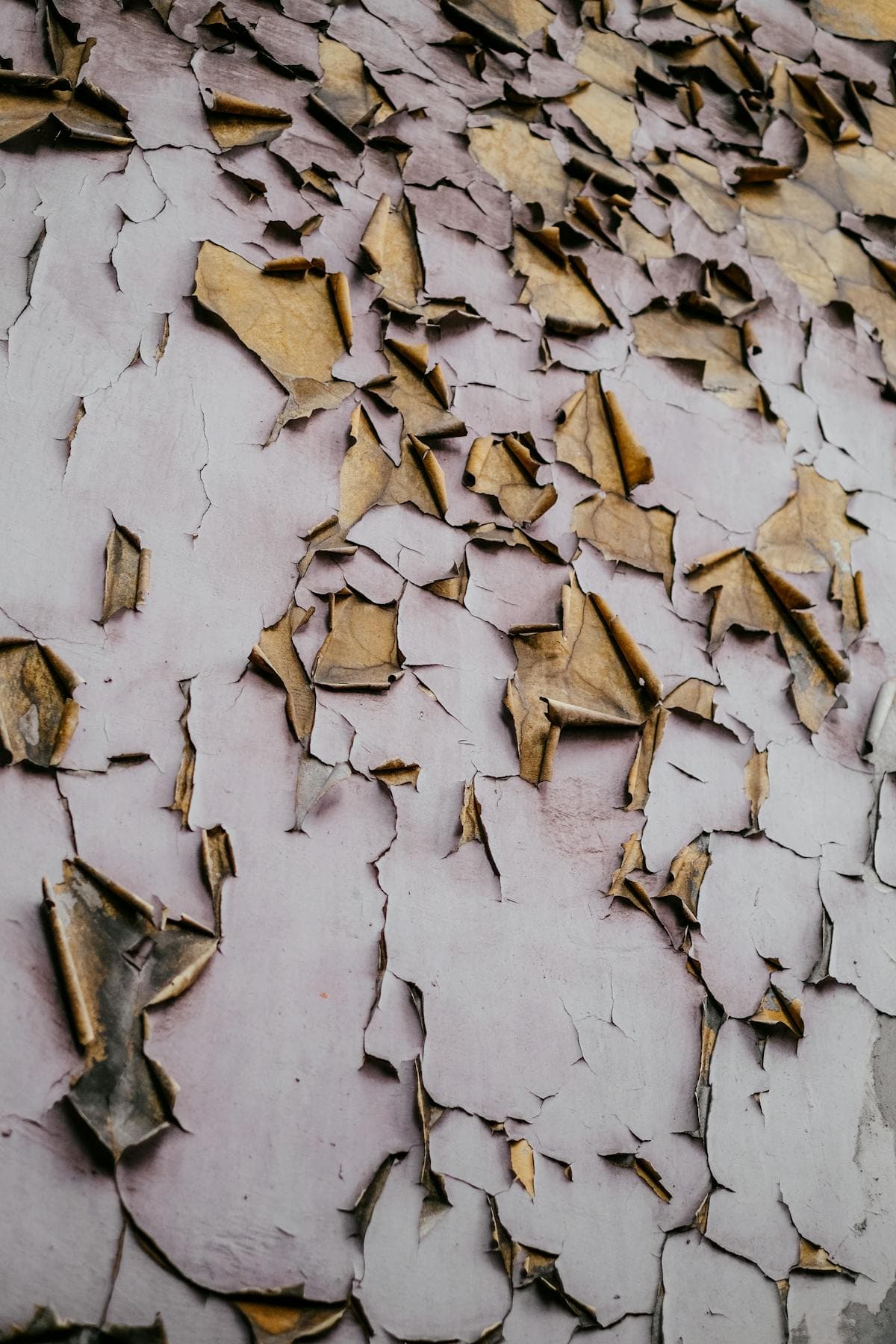
Peeling & Flaking
What it looks like: Paint lifts away from the surface in curls or flakes. May start small but spreads as moisture gets beneath failing areas. Often begins at vulnerable spots like window sills and trim.
What it means: Adhesion failure. Water has penetrated behind the paint film, or surface preparation was inadequate. Peeling is serious because it exposes bare siding to moisture damage.
Timeline: Peeling within 2-3 years indicates application problems. After 7-10 years, it's natural end-of-life failure.
What to do: Address immediately. Scrape loose paint, prime bare areas, and touch up. Widespread peeling (over 20% of surface area) requires complete repainting. Identify and fix moisture sources before repainting.
Cracking
What it looks like: Fine hairline cracks in the paint film, often in a pattern resembling alligator skin or mud cracks. May be localized or widespread.
What it means: Paint has lost flexibility and can no longer accommodate surface expansion and contraction. Cracks allow water infiltration that accelerates damage. Often results from too many paint layers, poor surface prep, or paint applied too thickly.
Timeline: Surface cracking after 8-12 years is expected. Earlier cracking suggests application issues or extremely harsh conditions.
What to do: Minor, isolated cracking can be scraped, primed, and touched up. Widespread cracking requires stripping old paint layers and starting fresh. Band-aid repairs on severely cracked paint fail quickly.
Mold & Mildew
What it looks like: Black, gray, or green stains on painted surfaces, especially in shaded areas, north walls, or near landscaping. May appear spotty or in large patches.
What it means: Fungal growth on paint surfaces. While mildew grows on paint rather than destroying it, presence indicates moisture issues. Heavy mildew suggests paint is retaining moisture rather than repelling it, indicating deterioration.
Timeline: Light mildew in humid microclimates (near sprinklers, dense plantings) doesn't necessarily indicate paint failure. Widespread mildew on previously clean surfaces suggests declining paint quality.
What to do: Clean with mildew-specific cleaners (bleach solution or commercial products). If mildew returns within weeks, paint is compromised. Address moisture sources (redirect sprinklers, trim vegetation) and plan repainting with mildew-resistant paint.
Wood Rot or Surface Damage
What it looks like: Soft spots in wood siding, crumbling stucco, or water stains beneath painted surfaces.
What it means: You've waited too long. Moisture has penetrated failing paint and damaged the substrate. This requires repairs beyond just painting.
What to do: Immediate action required. Identify all damaged areas, repair or replace affected siding, address moisture sources, and repaint. Continuing to delay causes exponential damage and repair costs.
Sacramento & Placer County
Need a real quote on your project?
Free, no-obligation walkthrough. Itemized estimate within 24 hours. Most jobs scheduled within 2–3 weeks.
How to Extend Your Paint Job's Life
Strategic maintenance can add 2-5 years to your exterior paint's lifespan. These simple practices protect your investment and delay the need for complete repainting.
Regular Cleaning
Annual washing removes dirt, pollen, and contaminants that degrade paint. Use a garden hose with spray nozzle or gentle pressure washer (1,200-1,500 PSI maximum) to clean painted surfaces.
Target timing: Clean in spring after pollen season and fall before winter rains. This removes damaging deposits and allows inspection for developing problems.
Technique matters: Work top to bottom with overlapping passes. Use mild detergent for stubborn dirt. Rinse thoroughly. Avoid pressure washing at sharp angles that force water behind siding.
Mildew treatment: Clean affected areas with 1:3 bleach-to-water solution. Spray on, let sit 15 minutes, scrub gently, and rinse thoroughly. Kills mildew spores that would otherwise spread.
Regular cleaning prevents buildup that etches paint surfaces and creates conditions for mildew growth. This simple maintenance extends paint life by 1-2 years.
Prompt Touch-Ups
Address small problems immediately. Scrape any loose paint, spot-prime bare areas, and touch up with matching paint. Keep leftover paint from your original job for exactly this purpose.
Common touch-up areas include window sills, door trim, corners, and anywhere water concentrates. These vulnerable spots often show wear before wall surfaces.
Proper technique: Feather touch-up edges to blend with existing paint. Multiple thin coats look better than one thick coat. Touch up during mild weather (60-75°F) for best results.
Documentation: Note touch-up areas and dates. Frequent touch-ups in the same spots indicate underlying moisture problems requiring investigation.
Small touch-ups cost little in time and materials but prevent moisture intrusion that causes expensive substrate damage.
Caulking Maintenance
Inspect caulk annually around windows, doors, trim joints, and any penetrations through siding. Look for gaps, cracks, or missing sections.
Re-caulk as needed, typically every 3-5 years. Remove old, failed caulk completely before applying fresh material. Use high-quality paintable caulk rated for exterior use.
Strategic caulking prevents water intrusion that destroys paint from behind. A $20 tube of caulk and 30 minutes of work can prevent thousands in moisture damage.
Don't over-caulk: Certain areas need drainage, not sealing. Avoid caulking the bottom of horizontal siding laps or weep holes in brick. These intentional gaps allow trapped moisture to escape.
Proper caulking maintenance complements paint protection and significantly extends overall system life.
Tree and Vegetation Management
Trim branches that touch or hang within 3 feet of painted surfaces. Rubbing branches abrade paint, and trapped moisture between foliage and walls promotes mildew growth.
Control climbing vines that attach directly to painted surfaces. While attractive, they trap moisture and can pull paint away when removed.
Redirect sprinklers that spray painted surfaces. Constant wetting dramatically reduces paint life. Adjust irrigation to water plants, not walls.
Maintain clearance: Keep mulch, soil, and vegetation at least 6 inches from painted siding. Ground contact wicks moisture into siding and paint.
Managing vegetation around your home improves air circulation, reduces moisture exposure, and prevents physical damage to paint films.
Gutter and Drainage Maintenance
Clean gutters twice yearly (spring and fall). Clogged gutters overflow onto siding and fascia, causing paint failure and wood rot.
Check downspouts extend at least 4-6 feet from foundation and direct water away from the house. Standing water near walls damages both paint and foundation.
Inspect for leaks at gutter joints and end caps. Even small leaks create constant moisture exposure that destroys paint and siding in concentrated areas.
Proper drainage is fundamental to paint longevity. More exterior paint fails due to water damage than all other causes combined.
Investing 2-3 hours annually in gutter maintenance protects paint, siding, and foundation simultaneously.
Strategic Planning
Keep records of your paint job: date completed, products used, colors, and any leftover paint. This information is invaluable for future touch-ups and repainting.
Budget proactively for eventual repainting. Set aside $100-200 monthly starting 5 years after painting. You'll have funds ready when the time comes rather than facing financial pressure.
Plan during shoulder seasons. Schedule repainting in spring (April-May) or fall (September-October) when weather is ideal and painters often have better availability and pricing.
When Professional Repainting is Needed
Understanding the right time to repaint prevents costly damage from waiting too long while avoiding premature repainting that wastes money.
Decision Criteria
20% rule: When 20% or more of your home's painted surface shows failure signs (peeling, cracking, severe fading), complete repainting is more cost-effective than spot repairs.
Moisture damage: Any evidence of water damage to siding requires immediate attention. Failing paint allows moisture intrusion that causes exponential damage over time.
Protective failure: When paint no longer beads water or shows heavy chalking, it has lost protective qualities even if it looks acceptable. Repainting before substrate damage occurs saves money.
Curb appeal: If your home's appearance has declined noticeably and you're planning to sell within 2 years, repainting delivers strong ROI. Fresh paint can return 50-100% of cost in home value.
Cost of Waiting
Substrate damage from delayed repainting can triple project costs. Replacing rotted wood siding or repairing damaged stucco costs far more than timely repainting.
Accelerating failure: Once paint begins failing significantly, deterioration accelerates. Waiting "one more year" often results in 2-3 times more damage requiring repair.
Seasonal timing: Delaying pushes work into less-ideal seasons. Waiting past fall may mean painting during winter (poor conditions) or waiting until next spring (another year of damage).
Professional scheduling: Quality painters book months ahead during peak season. Delaying decisions can mean settling for less-preferred contractors or waiting months longer than necessary.
Professional vs. DIY
Professional repainting costs $2.50-$5.00 per square foot but includes proper preparation, quality materials, technique expertise, and typically warranties.
DIY savings are often illusory. Proper equipment rental, quality materials, and value of time consumed often bring costs to within 30-40% of professional pricing, while results rarely match professional quality.
Longevity difference: Professional preparation and application typically extend paint life 2-4 years beyond DIY results, making professional work more economical over time.
Safety considerations: Working at height on ladders and scaffolding is dangerous. Professional painters have proper equipment, training, and insurance. Homeowner falls cause thousands of serious injuries annually.
For most homeowners, professional repainting delivers better value despite higher upfront costs.
Frequently Asked Questions
How often should you paint house exterior?
Most homes need exterior repainting every 5-10 years depending on surface material, climate, and paint quality. Wood siding typically requires repainting every 3-7 years, while fiber cement can last 10-15 years. California's climate generally extends paint life compared to humid regions. Regular inspection helps identify the right timing for your specific home.
What type of exterior paint lasts the longest?
100% acrylic latex paints deliver the best durability for most applications. These formulations resist fading, cracking, and peeling better than oil-based or vinyl-acrylic blends. For stucco and masonry, elastomeric coatings can provide 10+ years of protection. Premium brands like Sherwin-Williams Duration or Benjamin Moore Aura offer superior longevity worth the extra cost.
Can you make exterior paint last longer?
Yes, through proper maintenance. Annual cleaning, prompt touch-ups, caulking maintenance, and managing vegetation around your home can extend paint life by 2-5 years. Choosing light colors, quality paint products, and ensuring proper application also significantly impact longevity. Protecting painted surfaces from constant moisture exposure is particularly important.
Does dark exterior paint fade faster?
Yes, dark colors absorb more heat and UV radiation, causing faster fading and paint degradation. Dark browns, navy blues, and black can fade noticeably within 3-5 years and may require repainting 2-3 years sooner than light colors on the same surface. If choosing dark colors, invest in premium paints with fade-resistant technology.
How do you know when your house needs repainting?
Watch for these warning signs: noticeable fading (especially uneven fading on different walls), chalking (powdery residue when you touch the surface), peeling or flaking paint, cracking in the paint film, or mildew growth that returns quickly after cleaning. When 20% or more of your exterior shows these issues, complete repainting is needed.
Should you repaint before all paint fails?
Yes, repainting before complete failure protects your siding from moisture damage and reduces project costs. Once paint fails extensively, water intrusion can rot wood, damage stucco, or cause other substrate problems that dramatically increase repair costs. Plan repainting when you first notice significant deterioration affecting 15-20% of surfaces.
Get Your Free Exterior Assessment
Not sure if your home needs repainting? ProFlow Painting provides complimentary exterior paint assessments throughout the Sacramento area. Our experienced team will inspect your paint's condition, identify problem areas, and provide honest recommendations about timing and scope.
We understand California's unique climate challenges and how they affect paint longevity. Whether you need immediate attention or are planning ahead for future repainting, we'll help you make informed decisions that protect your home and your investment.
Free assessment includes:
- Complete exterior inspection
- Written condition report
- Timeline recommendations
- Detailed project estimate
- Color consultation if desired
Call (916) 740-7249 to schedule your free paint assessment. We serve Sacramento, Roseville, Folsom, and surrounding communities with professional exterior painting services backed by quality guarantees and fair pricing.
Don't wait until failing paint damages your siding. Contact ProFlow Painting today and protect your home's exterior for years to come.
ProFlow Painting | Professional Exterior Painting | Sacramento, CA | (916) 740-7249
Free quote · Sacramento & Placer County
Ready for a real estimate, not a guess?
Tell us about your project and we'll walk it with you in person. Itemized quote within 24 hours, no high-pressure sales.