
Sacramento homes typically need exterior repainting every 5 to 10 years and interior repainting every 3 to 7 years. The exact timeline depends on your siding material, the rooms involved, paint quality, and how much Sacramento's hot summers and wet winters stress your surfaces.
That range is wide for a reason. A fiber cement exterior with premium acrylic paint can push past 12 years. A south-facing wood-sided wall baking in 100-degree Central Valley heat might show cracking in under 5. Inside, a formal living room stays fresh for 7 years while a hallway with kids and dogs needs attention every 2 to 3.
This guide gives you a specific repaint schedule for every surface and room in your Sacramento home, the warning signs that mean it is time now, and practical steps to stretch each paint job as long as possible. Whether you are budgeting for your next interior painting project or planning an exterior refresh, you will know exactly when to act and what to expect.
Exterior Repaint Schedule by Surface Material
Your siding type is the single biggest factor in how often you need to repaint. Each material holds paint differently, and Sacramento's climate -- summers regularly hitting 95 to 105 degrees, mild wet winters, and low humidity from May through October -- accelerates wear on some surfaces faster than others.
Wood Siding: Every 4 to 7 Years
Wood expands and contracts with temperature and moisture changes. Sacramento's dramatic seasonal swings -- from January lows near 38 degrees and 83% humidity to July highs over 100 degrees and 53% humidity -- stress paint films on wood siding hard. Expect to repaint every 4 to 7 years.
Cedar and redwood resist moisture better than pine or fir, sometimes gaining an extra year or two. But any wood siding on a west-facing or south-facing wall takes the worst UV punishment and may need attention closer to the 4-year mark.
Stucco: Every 5 to 8 Years
Stucco is the most common exterior surface on Sacramento homes built since the 1970s. It holds paint well thanks to its porous texture, but hairline cracks develop over time from soil settling and thermal movement. Those cracks let moisture in, and once moisture gets behind the paint film, failure accelerates.
Plan to repaint stucco every 5 to 8 years. Elastomeric coatings can push that toward 10 years by bridging hairline cracks, but they cost more upfront. For most Sacramento stucco homes, a quality acrylic latex repaint in the 6- to 7-year range hits the sweet spot between cost and protection.
Fiber Cement (Hardie Board): Every 10 to 15 Years
Fiber cement is the longest-lasting siding material for holding paint. It does not expand and contract like wood, does not crack like stucco, and does not absorb moisture. Factory-applied finishes from James Hardie can last 15 years or more.
If your fiber cement siding was field-painted (painted on site after installation), expect to repaint in the 10- to 12-year range. Many newer Sacramento homes in Natomas, Elk Grove, and Folsom use fiber cement, so these homeowners can plan for the longest intervals between exterior paint jobs.
Painted Brick: Every 12 to 20 Years
Painted brick is exceptionally durable. The material itself barely moves, creating stable conditions for paint adhesion. Sacramento does not see the freeze-thaw cycles that destroy painted brick in colder climates, so 15 to 20 years between repaints is realistic if the initial application used proper masonry primer and high-quality acrylic paint.
The main risk is efflorescence -- white mineral salt deposits that push through from the brick substrate. If you see white patches forming, that is a moisture issue to address before repainting.
Aluminum and Vinyl Siding: Every 5 to 10 Years
Metal siding holds paint for 5 to 10 years depending on primer quality and sun exposure. Vinyl siding technically does not need painting, but homeowners who want a color change should expect the paint to last 5 to 7 years before fading becomes noticeable.
Interior Repaint Schedule Room by Room
Interior paint lasts longer than exterior paint because it is shielded from UV, rain, and temperature extremes. But different rooms take different amounts of abuse, so one blanket timeline does not work. Here is the room-by-room schedule Sacramento homeowners should follow.
High-Traffic Areas: Every 2 to 4 Years
Hallways, entryways, mudrooms, and staircases see constant contact. Scuff marks from shoes, backpacks scraping walls, handprints, and pet scratches all accumulate. These areas typically need repainting every 2 to 4 years.
Using a satin or semi-gloss finish in high-traffic areas extends the timeline by a year or more because higher-sheen paints resist scuffing and wipe clean more easily than flat or eggshell finishes.
Kitchens: Every 3 to 4 Years
Kitchen walls deal with grease splatter, steam, food stains, and frequent cleaning. Even with a good range hood, cooking residue dulls paint over time. If your kitchen has a heavy cooking routine or poor ventilation, plan on the 3-year end. See our kitchen painting cost breakdown for budgeting.
Bathrooms: Every 3 to 4 Years
Moisture is the enemy. Daily hot showers pump humidity into bathroom walls, promoting mildew and paint softening even with an exhaust fan. Semi-gloss paint handles bathroom conditions best, but it still needs refreshing every 3 to 4 years. Our bathroom painting cost guide covers what to expect.
Kids' Bedrooms and Playrooms: Every 3 to 5 Years
Crayon marks, stickers, tape residue, and general chaos. Kids' rooms take a beating that adult spaces simply do not. Washable paint formulas help, but once the paint has been scrubbed repeatedly, it loses its sheen and uniformity. Budget for repainting every 3 to 5 years.
Living Rooms and Dining Rooms: Every 5 to 7 Years
These rooms get moderate use and minimal contact with walls. As long as the original paint job used quality materials, a living room can go 5 to 7 years before fading and minor scuffs warrant a refresh. Rooms with large south- or west-facing windows in Sacramento may fade faster due to intense afternoon sun.
Adult Bedrooms: Every 5 to 7 Years
The lowest-traffic rooms in most homes. Adult bedrooms rarely need repainting more than every 5 to 7 years unless you are changing your color scheme. If your paint color choices still feel current and walls are in good shape, this is one area where you can comfortably wait.
Ceilings: Every 7 to 10 Years
Ceilings take almost no physical contact and minimal UV exposure. Unless you have moisture issues (leaks, condensation) or visible smoke/cooking stains, most ceilings last 7 to 10 years before needing attention.
7 Warning Signs Your Sacramento Home Needs Repainting Now
Timelines are guidelines. The real indicator is what you see on your walls. Here are seven signs that your home needs repainting regardless of when it was last done.
-
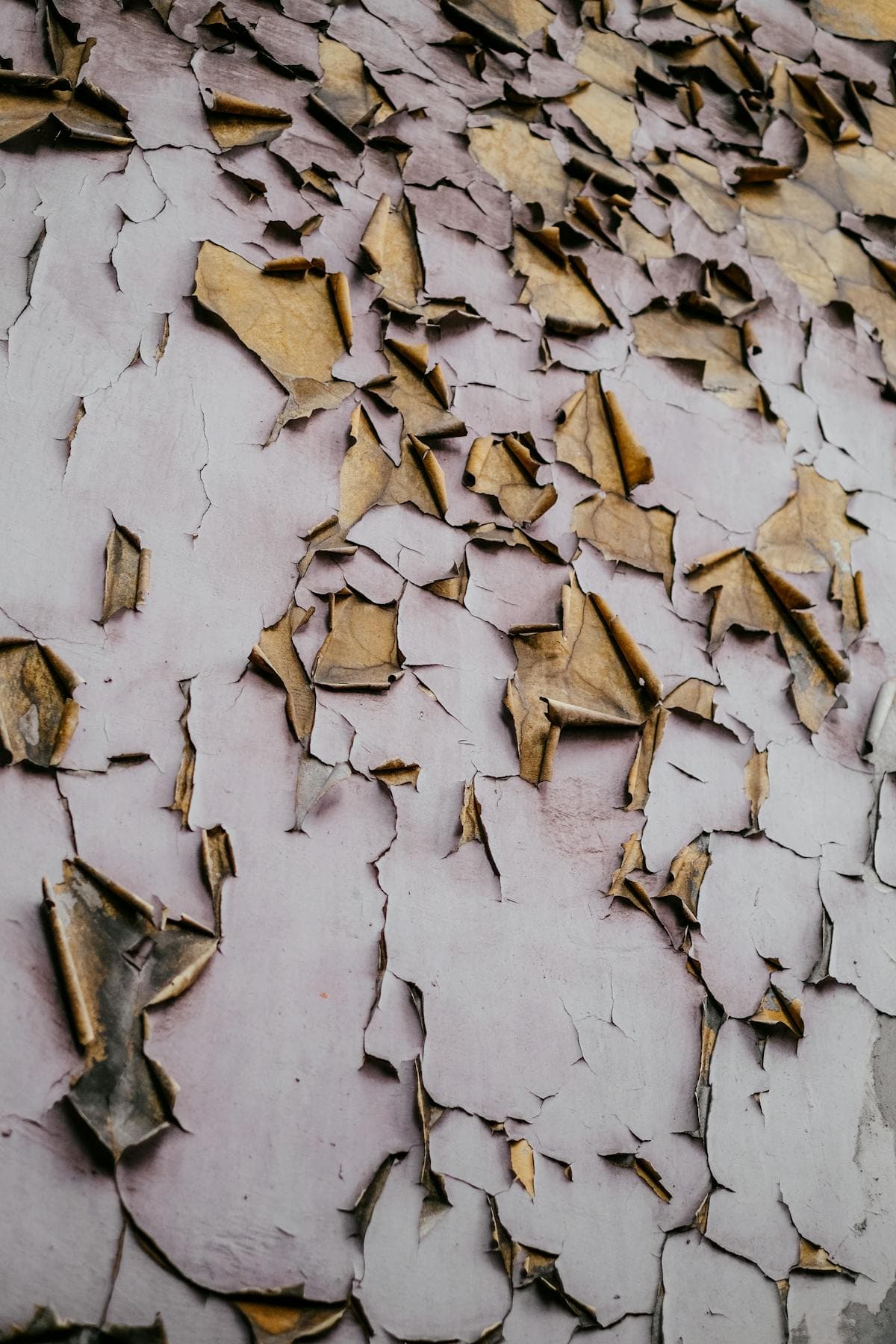
Peeling, cracking, or flaking paint. The most obvious sign. Once paint loses adhesion, the exposed surface underneath is vulnerable to moisture damage and UV degradation. Peeling exterior paint in Sacramento often starts on south- and west-facing walls that absorb the most summer heat. Our guide on how to fix peeling paint covers the repair process.
-
Fading and color inconsistency. Sacramento's intense UV exposure fades exterior paint faster than milder climates. If one side of your house looks noticeably lighter than the others, or your interior walls have uneven color around windows, it is time. Dark exterior colors fade fastest -- a deep blue or red can show fading in as little as 3 years on a sun-hammered wall.
-
Chalking on exterior surfaces. Run your hand across the siding. If you get a powdery white residue on your fingers, the paint binder has broken down. Chalking means the paint is no longer protecting the surface underneath.
-
Visible stains that will not clean off. Water stains on ceilings, grease buildup on kitchen walls, or smoke discoloration that no longer responds to cleaning. Once stains have penetrated the paint film, spot cleaning will not fix it.
-
Mildew or mold growth. Dark spots on bathroom walls or north-facing exterior surfaces that return after cleaning. Sacramento's winter humidity (averaging 83% in January) can fuel mildew growth, especially on poorly ventilated surfaces.
-
Caulking failure around windows and trim. Cracked or separated caulk means moisture can reach the substrate. If exterior caulk around your windows, doors, or trim has deteriorated, it is time to recaulk and repaint. This is a critical part of exterior painting preparation.
-
Wood rot or stucco cracks. Soft, spongy wood or widening stucco cracks are urgent. These are structural issues that worsen quickly once exposed. Address drywall repair or stucco patching before repainting to avoid trapping moisture.
How Sacramento's Climate Affects Your Repaint Schedule
Sacramento's Mediterranean climate creates specific challenges that homeowners in milder regions do not face. Understanding these factors helps you predict when your paint will need attention.
Extreme Summer Heat
Sacramento averages 73 days per year above 90 degrees, with July and August routinely hitting 100 to 108. High heat causes paint to expand and contract daily, stressing the bond between paint and surface. Dark exterior colors absorb more heat and degrade faster.
The west and south sides of your home take the worst beating. These walls can see surface temperatures exceeding 140 degrees on peak summer afternoons -- far above what most paint films are engineered to handle comfortably over time.
UV Radiation
The Central Valley receives some of the highest UV index readings in California. UV breaks down paint pigments (causing fading) and paint resins (causing chalking and brittleness). This is why Sacramento exterior paint jobs rarely match the 15-year manufacturer claims that might hold true in the Pacific Northwest or Midwest.
Wet Winters and Seasonal Moisture Swings
Sacramento averages 18 to 20 inches of rain annually, almost entirely between November and March. The swing from 53% average humidity in July to 83% in January creates expansion and contraction cycles in wood and stucco that stress paint bonds.
Homes without adequate overhangs or gutters see accelerated paint failure on lower walls where rain splash hits. North-facing walls that stay damp longer after winter storms are the most vulnerable spots.
Valley Dust and Air Quality
Central Valley dust settles on exterior paint surfaces during the dry summer months. This gritty layer grinds against the paint film during wind events and creates micro-abrasion. Annual power washing removes dust buildup and extends paint life, but the cumulative effect still shortens Sacramento exterior paint timelines compared to cleaner-air regions.
Sacramento & Placer County
Need a real quote on your project?
Free, no-obligation walkthrough. Itemized estimate within 24 hours. Most jobs scheduled within 2–3 weeks.
5 Ways to Extend the Life of Your Paint Job
You cannot stop Sacramento's heat, but you can delay your next repaint by taking care of the current one. These five strategies add years to both interior and exterior paint jobs.
-
Start with proper surface preparation. The prep work before painting determines how long the paint lasts more than any other single factor. That means power washing exterior surfaces, scraping loose paint, priming bare spots, filling cracks, and sanding smooth. Cutting corners on prep is the number one reason paint fails early. Our interior prep guide and exterior prep guide cover the full process.
-
Use premium paint. A gallon of Sherwin-Williams Duration or Benjamin Moore Aura costs $60 to $80 compared to $25 to $35 for builder-grade paint. But the premium product lasts 2 to 4 years longer on exterior surfaces and holds up significantly better to scrubbing on interior walls. Over a 20-year ownership period, premium paint costs less per year than budget paint. See our Sherwin-Williams vs Benjamin Moore comparison for specific product recommendations.
-
Choose the right sheen for each surface. Higher-sheen paints resist moisture, stains, and scuffs better. Use semi-gloss on trim, doors, bathrooms, and kitchens. Use eggshell or satin on living areas. Flat only on ceilings and low-traffic formal rooms. The correct sheen in the right room adds 1 to 2 years to your repaint cycle.
-
Maintain your exterior annually. Power wash siding once a year in spring to remove dust, pollen, and mildew before they grind into the paint film. Inspect caulking around windows and doors. Touch up small chips and scratches before they spread. Trim trees and shrubs back from siding to improve airflow and reduce moisture contact.
-
Control interior moisture. Run bathroom exhaust fans during and 20 minutes after every shower. Use range hoods when cooking. In Sacramento's wet winter months, keep indoor humidity below 50% to prevent mildew growth on walls. Address any roof leaks or plumbing issues immediately -- water damage behind walls destroys paint from the inside out.
How Sacramento Compares to Other California Regions
Sacramento's repaint timelines are shorter than coastal California but longer than the desert regions. Here is how the Central Valley stacks up.
| Region | Exterior Repaint Cycle | Primary Climate Factor |
|---|---|---|
| Sacramento / Central Valley | 5–10 years | Extreme heat + UV + dust |
| San Francisco / Bay Area | 7–12 years | Fog + salt air but mild temps |
| Los Angeles / SoCal Coast | 7–12 years | Mild temps + UV but low humidity |
| Lake Tahoe / Sierra | 4–8 years | Snow + freeze-thaw + UV at altitude |
| Palm Springs / Desert | 3–7 years | Extreme heat + UV + sand abrasion |
Sacramento homeowners face a combination of high heat, strong UV, seasonal moisture swings, and valley dust that collectively shorten paint life compared to the mild, stable conditions on the coast. But the absence of salt air and freeze-thaw cycles gives Sacramento an advantage over mountain and desert regions.
For local pricing on your next repaint, our house painting cost guide for Sacramento breaks down current rates by project type.
Building a Long-Term Repaint Budget
Smart homeowners plan for repainting the same way they plan for a new roof or HVAC replacement -- as a predictable maintenance cycle, not a surprise expense. Here is a simple framework.
Exterior repaint budget formula:
- Determine your siding material's repaint cycle (use the chart above)
- Get a current exterior painting quote (or use our stucco painting cost guide as a baseline)
- Divide the quote by the number of years in your cycle
- Set aside that amount annually in a home maintenance fund
Example: A 2,000 sq ft stucco home in Sacramento costs roughly $5,000 to $10,000 for a full exterior repaint. On a 7-year cycle, that works out to $715 to $1,430 per year. Setting aside $100 per month covers the lower end comfortably.
Interior repaint budget approach:
Rather than repainting your entire interior at once, stagger rooms based on their individual cycles:
- Year 1-3: Repaint hallways, kitchen, bathrooms
- Year 3-5: Repaint kids' rooms and playrooms
- Year 5-7: Repaint living rooms, dining rooms, bedrooms
- Year 7-10: Repaint ceilings as needed
This approach spreads the cost and means you are never paying for a full interior painting project all at once.
Whether you are planning ahead or already seeing warning signs, knowing what painting adds to your home's value helps justify the investment. A fresh exterior paint job returns 55% to 100% of its cost at resale according to multiple industry sources, making it one of the highest-ROI home improvements available.
Frequently Asked Questions
How often should you repaint a house exterior in Sacramento?
Most Sacramento homes need exterior repainting every 5 to 10 years. Stucco homes, which are the most common in the region, typically fall in the 5- to 8-year range. Wood siding needs repainting every 4 to 7 years, while fiber cement can last 10 to 15 years. The south- and west-facing sides of your home will need attention first because they absorb the most summer heat and UV radiation.
How often should you repaint interior walls?
Interior repaint frequency depends on the room. High-traffic areas like hallways and entryways need repainting every 2 to 4 years. Kitchens and bathrooms need a fresh coat every 3 to 4 years due to moisture and grease exposure. Living rooms and bedrooms can go 5 to 7 years, while ceilings last 7 to 10 years. Using higher-quality paint and the correct sheen for each room extends these timelines.
Does paint quality affect how often you need to repaint?
Premium paints from manufacturers like Sherwin-Williams and Benjamin Moore last 2 to 4 years longer on exterior surfaces and hold up significantly better to cleaning and scrubbing on interior surfaces compared to builder-grade products. The higher upfront cost per gallon is offset by the extended repaint cycle, making premium paint the more economical choice over a 15- to 20-year ownership period.
What is the best time of year to repaint a house in Sacramento?
Spring (late March through May) and early fall (September through mid-October) offer the best painting conditions in Sacramento. Temperatures stay in the ideal 60 to 85 degree range, humidity is moderate, and rain is unlikely. Summer painting is possible but requires early morning starts to avoid applying paint in extreme afternoon heat, which can cause the paint to dry too quickly and compromise adhesion.
Can I just touch up instead of doing a full repaint?
Touch-ups work for isolated damage like a scuff mark, a small chip, or a single stain. They do not work well when paint has faded uniformly, when there is widespread peeling, or when the overall color has shifted from UV exposure. Touch-up paint rarely matches the surrounding wall perfectly because the original paint has aged. If more than 15 to 20 percent of a surface needs attention, a full repaint delivers a better result.
How do I know if my house needs repainting or just cleaning?
Start by power washing a small test area on your exterior. If the original color returns and the surface looks healthy underneath the dirt, you just need cleaning. If the paint still looks faded, chalky, or damaged after washing, it needs repainting. For interiors, try cleaning a wall stain with warm water and mild soap. If the stain comes out and the paint looks uniform afterward, cleaning is sufficient.
Time to Repaint Your Sacramento Home?
Every paint job has a lifespan, and Sacramento's climate is not gentle on any of them. Knowing your siding material, monitoring the warning signs, and budgeting proactively means you are never caught off guard by a deteriorating exterior or dingy interior.
If your home is showing any of the seven warning signs above, or if your last paint job is approaching the end of its expected cycle, now is the time to get a professional assessment. Our team at ProFlow Painting inspects your surfaces, identifies what needs attention first, and gives you a clear, itemized estimate with no surprises.
Call (916) 740-7249 or request a free estimate to schedule your consultation. We serve Sacramento, Elk Grove, Roseville, Folsom, Rancho Cordova, and communities throughout the Greater Sacramento area.
Free quote · Sacramento & Placer County
Ready for a real estimate, not a guess?
Tell us about your project and we'll walk it with you in person. Itemized quote within 24 hours, no high-pressure sales.