
Is your peeling paint a cosmetic annoyance — or a warning sign of water damage hiding behind the wall? Either way, it's frustrating. Curling chips on your trim, bubbling patches on your stucco, sheets of paint lifting off a bathroom ceiling. Nobody wants to look at it, and nobody wants to pay to fix it twice.
Here's what this guide covers: the real causes behind peeling paint, a step-by-step repair process that holds up, stucco-specific problems Sacramento homeowners deal with every summer, and the line where DIY stops making sense and a professional painter earns their fee.
What Causes Paint to Peel?
Up to 80% of all coating failures trace back to inadequate surface preparation (Sherwin-Williams, 2024). Prep work accounts for roughly 70% of what makes a quality paint job last (CertaPro Painters, 2025). If paint peels, the problem almost always started before anyone opened a can.
What does that look like in practice? Five causes cover the vast majority of failures.
1. Moisture Infiltration
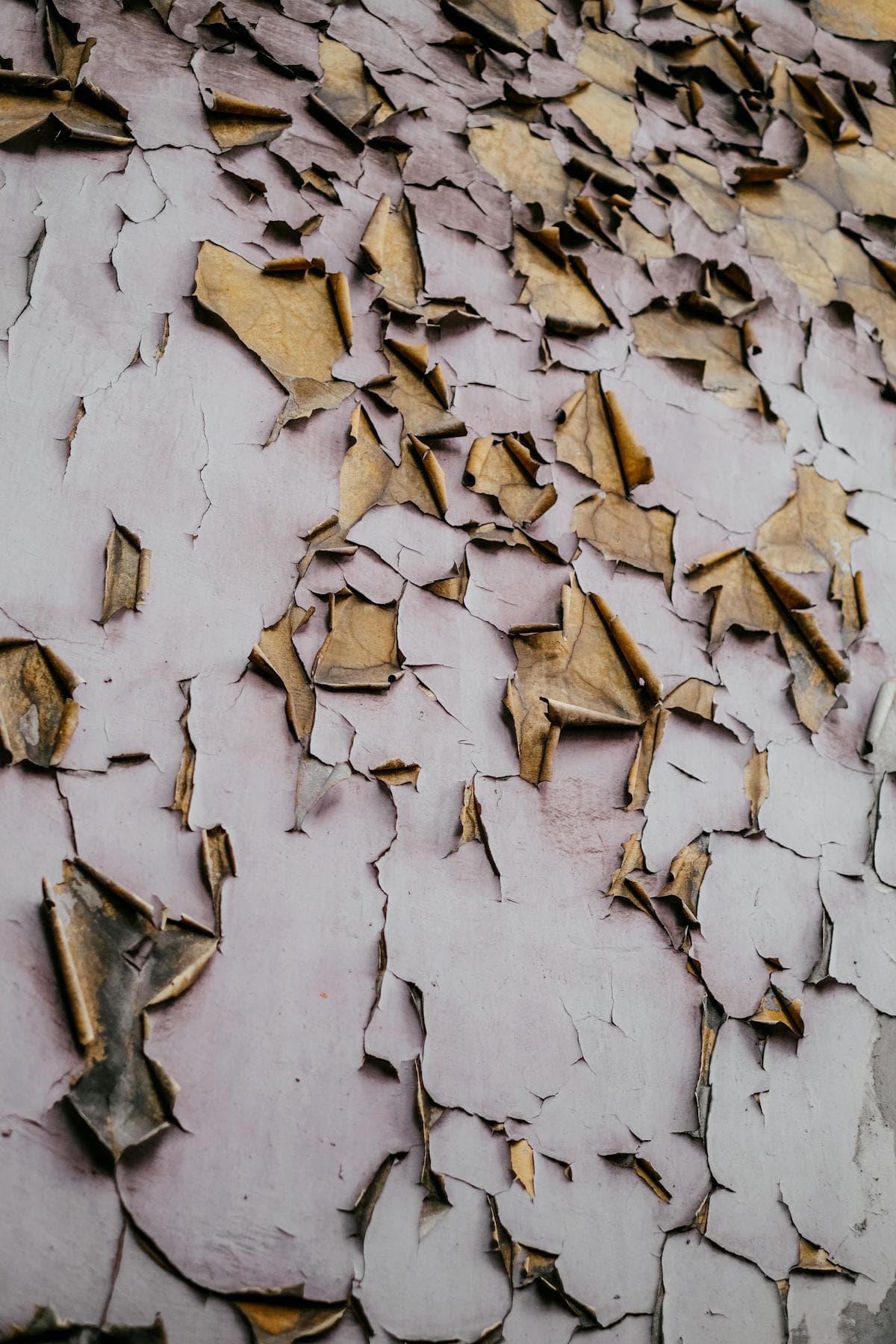
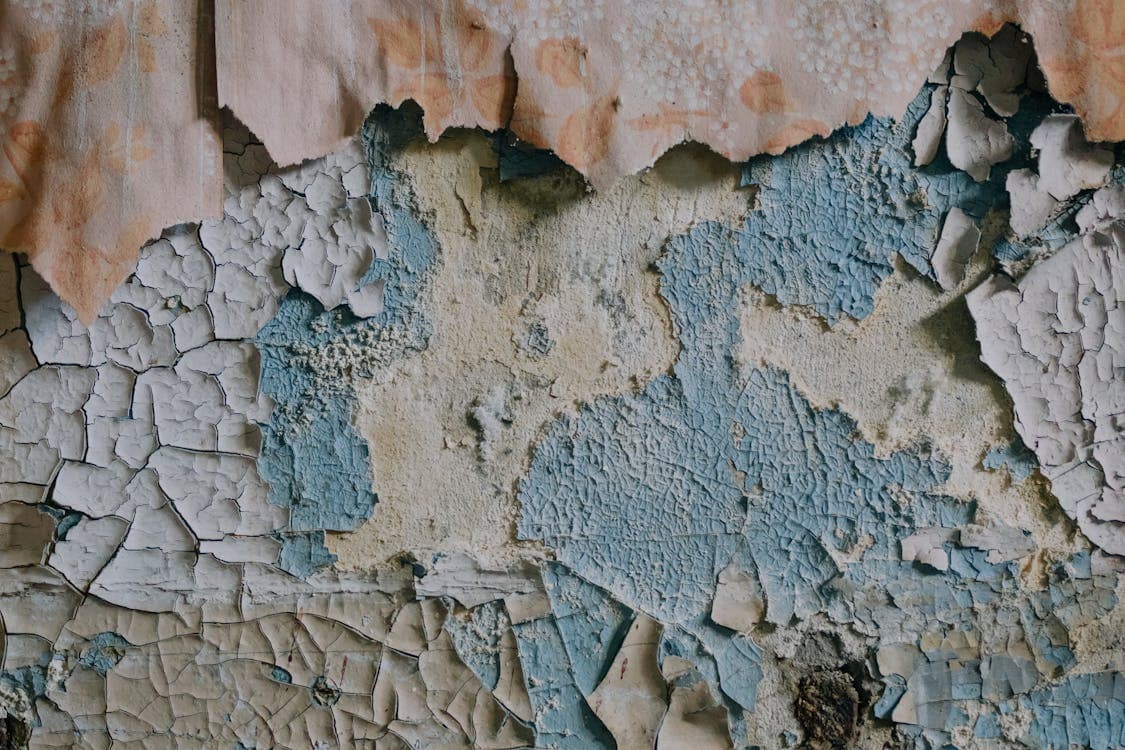
Water is the number-one enemy. When moisture gets behind the paint film — from a leaky pipe, poor flashing, or ground splash-back — it pushes outward. Paint blisters first, then peels in sheets. Moisture-driven failure accounts for more paint callbacks than any other single cause (VT Painters, 2025).
2. Poor Surface Preparation
Skipping cleaning, sanding, or priming guarantees early failure. Dust, grease, and chalk on the old surface prevent the new coat from grabbing. This is the 80% factor — and it's entirely preventable. See our exterior painting preparation guide for the full checklist.
3. Heat and UV Damage
Sacramento summers average 93°F (Weather Spark). Paint applied above 90°F dries too fast. The film skins over before solvents fully evaporate, trapping gases underneath. The result? Blisters within weeks, peeling within months. South- and west-facing walls take the worst beating from UV exposure year-round.
4. Incompatible Coatings
Latex over uncured oil-based paint won't bond. It's a common problem in older Sacramento homes where original oil-based trim paint gets a quick coat of latex during a remodel. The latex contracts and expands at a different rate. Eventually it pulls away in rubbery strips.
5. Age and Weathering
Even a perfect paint job has a shelf life. Exterior paint lasts 7–10 years on stucco, less on wood siding exposed to direct sun. After that, the resin breaks down, pigments fade, and adhesion weakens. South-facing walls in Sacramento may need repainting two to three years sooner than north-facing ones. Learn more about how long exterior paint lasts.
Peeling Paint: Cause, Symptoms & Quick Fix
| Cause | Symptoms | Quick Fix |
|---|---|---|
| Moisture infiltration | Large bubbles, peeling in sheets, damp smell | Find and fix the water source first |
| Poor surface prep | Flaking within 6–12 months of painting | Scrape, sand, prime, repaint |
| Heat/UV damage | Blistering on sun-facing walls, chalking | Repaint during cooler months (50–85°F) |
| Incompatible coatings | Rubbery strips peeling off in sheets | Strip to bare surface, prime, repaint |
| Age and weathering | Gradual chalking, hairline cracks, fading | Full scrape and repaint on schedule |
Citation capsule: Up to 80% of paint failures result from inadequate surface preparation, with proper prep accounting for 70% of a quality paint job (Sherwin-Williams, 2024; CertaPro Painters, 2025). Moisture infiltration remains the single most common cause of peeling in both interior and exterior applications.
Can You Paint Over Peeling Paint?
New paint can't bond to a failing substrate — painting over peeling surfaces leads to repeat failure within months, doubling total repair costs (Sherwin-Williams, 2024). The short answer is no. You'll waste money, time, and good paint.
The one exception: isolated spots smaller than one square foot where you can scrape, sand, feather the edges smooth, and prime the bare spot before repainting. That's a patch job, not painting over the problem.
What Happens When You Skip the Prep
A Land Park homeowner painted over peeling living room walls to get ready for a holiday party. The walls looked great for about six weeks. By February, the new paint was peeling in sheets — pulling the old layers with it. Both coats had to come off. The repair cost doubled because the crew had to strip two failing layers instead of one, sand down to bare drywall, and start from scratch. Total bill: $1,400 for a job that would have been $650 if done right the first time.
The lesson? Never put good paint on top of bad paint. It doesn't stick. It doesn't hold. And you'll pay for the job twice.
Citation capsule: Painting over peeling surfaces creates a multi-layer failure that costs roughly twice as much to fix as doing the job correctly the first time. Surface preparation — scraping, sanding, priming — accounts for up to 80% of long-term paint adhesion success (Sherwin-Williams, 2024).
How to Fix Peeling Paint Step by Step
Professional spot repairs cost $100–$500 depending on severity, while DIY materials run $50–$150 for a typical room (Angi, 2026). Whether you hire out or do it yourself, every successful repair follows these six steps in order.
Step 1: Diagnose the Cause First
Don't touch a scraper until you know why the paint is failing. If moisture is the culprit and you repaint without fixing the source, you'll be back here in six months.
Moisture test: Tape a 12-inch square of plastic sheeting to the wall with painter's tape. Leave it for 24 hours. If condensation forms on the wall side of the plastic, moisture is migrating through the substrate. Fix the water source before you fix the paint.
Step 2: Scrape All Loose Paint
Use a 3-inch rigid scraper or a 5-in-1 painter's tool. On wood surfaces, work with the grain to avoid gouging. On stucco, use a wire brush attachment on a drill for stubborn spots. Keep going until every edge sits tight against the surface. If you can slide a putty knife under it, it needs to come off.
Step 3: Sand the Edges Smooth
Grab 80-grit sandpaper for heavy spots, then finish with 120-grit. The goal: feather the edges between bare substrate and intact paint so you can't feel the transition with your fingertips. A random orbital sander speeds up larger areas. Wear a dust mask — and if your home predates 1978, stop and test for lead paint before sanding anything.
Step 4: Clean the Surface
Interior walls get a TSP (trisodium phosphate) wash to remove grease, grime, and chalk. Rinse thoroughly and let dry completely. Exterior surfaces need pressure washing — expect to pay $250–$600 for professional pressure washing or $50–$75/day to rent a unit.
Skipping this step reintroduces the prep failure that caused the problem in the first place.
Step 5: Prime Bare Spots
Every bare wood or stucco patch needs a bonding primer before topcoat. Zinsser Bulls Eye 1-2-3 works well on most surfaces. For heavy staining or tannin bleed on redwood or cedar, use KILZ Original oil-based primer. Don't skip this. Primer gives the topcoat something to grip.
Step 6: Apply Two Coats of Paint
Two coats minimum. Don't stretch paint thin to save a can — thin coats fail faster. Ideal conditions: 50–85°F, 40–70% relative humidity (Sherwin-Williams, 2024).
Sacramento timing matters. Summer averages hit 93°F — above the 85°F ceiling for most exterior paints. Paint early morning before 10 a.m. in summer, or wait for fall. September through November is the sweet spot for exterior work in the Sacramento Valley.
We've tracked callback rates across seasons in the Sacramento area. Jobs painted during June–August have roughly 3x the blister and adhesion complaints compared to spring and fall projects. The heat isn't just uncomfortable for the crew — it's bad for the paint film.
Citation capsule: Peeling paint repair follows six steps: diagnose the cause, scrape loose paint, sand edges smooth, clean the surface, prime bare spots, and apply two coats at 50–85°F with 40–70% humidity (Sherwin-Williams, 2024). Spot repairs cost $100–$500 for materials and labor (Angi, 2026).
Why Does Paint Peel on Stucco in Sacramento?
Stucco paint lasts 7–10 years with standard acrylic and up to 10–15 years with elastomeric coatings (Roe Paint & Supply, 2025). But Sacramento's climate creates conditions that shorten those timelines — extreme heat cycling, UV saturation, and moisture migration through porous stucco all contribute.
For full pricing on stucco projects, see our stucco painting cost guide for Sacramento.
Trapped Moisture
Stucco is porous. It absorbs water from rain, irrigation overspray, and even ground moisture wicking upward. When that water gets behind the paint film, it pushes outward as temperatures rise. The paint blisters, cracks, and peels — often in dramatic sheets on hot afternoons.
Alkaline Burn on New Stucco
Fresh stucco is highly alkaline. It must cure a minimum of 28 days before any paint or primer goes on (VAMP Stucco, 2025). Painting too early causes saponification — the alkali attacks the paint binder, turning it soft and gummy. The result: widespread peeling within the first year.
Efflorescence
Those white, powdery salt deposits on your stucco? That's efflorescence. Mineral salts in the stucco migrate to the surface with moisture, crystallize, and push the paint film off from underneath. You can't paint over it. Wire-brush it off, treat with an efflorescence remover, let it dry, then prime and paint.
The Elastomeric Trap
Elastomeric paint is often recommended for stucco because it bridges hairline cracks. But here's what most advice leaves out: elastomeric paint creates a waterproof shell. If moisture gets behind it — through a failed caulk joint, a window leak, or rising damp — the water can't escape. It's trapped between the stucco and the coating. The damage gets worse, not better, because the moisture has nowhere to go.
In older Sacramento homes with questionable flashing and aging caulk, elastomeric coatings can cause more problems than they solve unless every potential moisture entry point is sealed first.
What This Looks Like in Practice
An Elk Grove homeowner applied elastomeric coating over existing stucco without checking for moisture behind the walls. The coating sealed everything in. Within 18 months, paint bubbled across the entire west-facing wall. A moisture meter reading confirmed the problem — the stucco substrate was holding 25% moisture content behind a waterproof shell. Repair cost: $4,800 to strip, dry, and re-coat. The original elastomeric job had cost $3,200. Total waste: $8,000.
Sacramento Climate Factors
Sacramento's daily temperature swings — 95°F afternoons dropping to 58°F overnight in summer — expand and contract stucco repeatedly. This thermal cycling opens hairline cracks that let moisture in. West-facing walls absorb the most afternoon heat and show the most damage.
When cracks in stucco are wider than a hairline (1/16 inch or more), they need structural patching with stucco repair compound before any painting. Paint doesn't fill gaps. It bridges them temporarily, then fails.
For prep guidance specific to exterior surfaces, see our exterior painting preparation guide.
Citation capsule: Stucco paint lasts 7–10 years with standard acrylic and 10–15 years with elastomeric coatings in typical conditions (Roe Paint & Supply, 2025). In Sacramento, 93°F summer averages and extreme daily temperature swings accelerate stucco paint failure, particularly on south- and west-facing walls (Weather Spark).
Sacramento & Placer County
Need a real quote on your project?
Free, no-obligation walkthrough. Itemized estimate within 24 hours. Most jobs scheduled within 2–3 weeks.
How to Fix Peeling Interior Paint
Bathrooms and kitchens account for the majority of interior peeling, with humidity from daily showers and cooking driving moisture directly into unprotected drywall and plaster (VT Painters, 2025). If your interior paint is peeling, moisture and coating incompatibility are the two most likely culprits.
Humidity and Ventilation
A bathroom without an exhaust fan — or with a fan that vents into the attic instead of outdoors — traps steam against painted surfaces. Over time, moisture saturates the drywall, and the paint releases. Fix the ventilation problem first. A properly sized exhaust fan (1 CFM per square foot of bathroom floor) solves most bathroom peeling permanently.
In kitchens, the area directly above the stove takes the most abuse. A range hood ducted to the exterior keeps grease-laden moisture off your walls and ceiling.
Latex Over Oil-Based Paint
Here's a problem common in older Sacramento homes: 44% of Sacramento-area housing stock was built before 1980 (U.S. Census ACS, 2022 via Construction Coverage/Yahoo News, 2024). Many of those homes have original oil-based paint on trim, doors, and sometimes walls. When someone rolls latex over that old oil-based coat without priming, the latex can't bond properly. It peels in rubbery strips.
The fix: sand the oil-based surface, apply a bonding primer (Zinsser or KILZ), then topcoat with latex. The primer bridges the gap between the two incompatible chemistries.
For a complete interior prep walkthrough, see our interior painting preparation guide.
Lead Paint Warning
If your home was built before 1978, peeling paint may contain lead. The numbers are stark: 87% of pre-1940 homes contain lead-based paint, 69% of homes built between 1940–1959, and 24% of homes built between 1960–1978 (EPA, 2024). Don't sand, scrape, or disturb suspected lead paint without testing first. A $10–$15 EPA-recognized test kit from any hardware store gives you a quick answer.
For professional testing and certified remediation, see our lead paint testing guide for Sacramento.
Citation capsule: 44% of Sacramento-area homes were built before 1980 (U.S. Census ACS, 2022), making latex-over-oil incompatibility and lead paint exposure common concerns in interior peeling paint repairs. The EPA reports that 87% of pre-1940 homes contain lead-based paint (EPA, 2024).
When Should You Call a Professional?
Spending $3,000–$7,000 on timely professional repainting prevents $10,000+ in structural damage from moisture, rot, and mold that untreated peeling paint allows to worsen (Estimators.us, 2025; HonestCasa, 2026). Some peeling paint jobs are beyond the scope of a weekend DIY project.
Call a pro when you're dealing with any of these situations:
Lead paint concerns. Pre-1978 homes require EPA-certified lead-safe contractors for any disturbance of lead-containing paint. This isn't optional — it's federal law. Fines for non-compliance reach $37,500 per day.
Whole-wall or whole-room peeling. Once peeling covers more than 25–30% of a wall, it's no longer a spot repair. The entire surface needs stripping, and that's a job for experienced crews with the right tools.
Signs of water damage behind the paint. Soft drywall, musty or moldy smell, dark staining that bleeds through — these signal a bigger problem. Fix the water source first, then repaint. A pro can identify the source faster and prevent further damage.
Two-story exterior work. Ladders and scaffolding above 12 feet create real safety risks. Falls from ladders send over 164,000 people to emergency rooms annually in the U.S. (CPSC, 2024). Professional crews carry insurance and safety equipment for a reason.
DIY vs Professional Cost Comparison
| Repair Type | DIY Cost | Professional Cost |
|---|---|---|
| Spot repair (under 50 sq ft) | $50–$150 | $100–$500 |
| Single room interior | $150–$400 | $400–$1,200 |
| Full exterior repaint | $800–$2,500 | $3,000–$7,000 |
For detailed pricing, see our house painting cost guide for Sacramento.
Citation capsule: Professional exterior repainting costs $3,000–$7,000 for homes under 2,500 sq ft (Angi, 2026), but this investment prevents $10,000+ in structural damage from unchecked moisture and rot (Estimators.us, 2025). Lead paint in pre-1978 homes requires EPA-certified contractors for any disturbance.
How to Prevent Paint from Peeling
Proper surface preparation prevents up to 80% of paint failures — the single most effective step a homeowner or contractor can take (Sherwin-Williams, 2024). Prevention is cheaper, faster, and less frustrating than repair. Every time.
Match the Right Paint to the Surface
Stucco needs 100% acrylic latex or elastomeric coatings — never vinyl acrylic, which lacks the flexibility stucco demands. Wood siding needs an exterior acrylic-latex. Trim and doors benefit from hybrid enamel or alkyd formulas that resist scuffing and moisture.
Using the wrong product is like putting road tires on an off-road truck. It'll work for a while. Then it won't.
Paint in the Right Temperature Window
Apply paint between 50°F and 85°F with 40–70% relative humidity (Sherwin-Williams, 2024; PaintRite Pros, 2025). Outside that window, adhesion suffers.
Sacramento timing: Avoid exterior painting from June through August. Summer highs regularly exceed 90°F by late morning. The best months for exterior work in the Sacramento Valley are March through May and September through November. For scheduling help, see our guide on when to paint your house exterior.
Apply Two Coats — Always
Don't stretch one can of paint across a whole room to save $40. Thin coats fail faster. Two full coats at the manufacturer's recommended spread rate create a durable film that stands up to Sacramento's UV and heat.
We've seen homeowners try to save money by using a single thick coat instead of two standard coats. A thick single coat traps solvents, dries unevenly, and peels faster than a properly applied two-coat system. In a Natomas tract home we repainted last spring, the previous painter had applied one heavy coat over unprimed new drywall patches. It was peeling in three rooms within eight months.
Maintain Your Exterior
Annual inspections catch problems early. Walk the perimeter of your house every spring. Look for cracks in caulk, peeling near windows and rooflines, and efflorescence on stucco. A $200 caulk-and-touch-up visit beats a $5,000 repaint.
For more on paint longevity, see our guide on how long exterior paint lasts.
Citation capsule: Paint applied within the 50–85°F temperature window with 40–70% humidity achieves optimal adhesion and film formation (Sherwin-Williams, 2024). In Sacramento, the best exterior painting months are March–May and September–November, avoiding summer highs that exceed the 85°F application ceiling.
Frequently Asked Questions
Does peeling paint mean water damage?
Not always — but often. Moisture infiltration is the number-one cause of paint adhesion failure (VT Painters, 2025). If paint peels in large sheets, especially in bathrooms, around windows, or on exterior walls below rooflines, test for moisture before repainting. A $15 moisture meter from any hardware store can save you thousands in repeat repairs.
How much does it cost to fix peeling exterior paint?
Spot repairs run $100–$500 for scraping, priming, and repainting small areas. A full exterior repaint costs $3,000–$7,000 for homes under 2,500 square feet (Angi, 2026). DIY materials run $800–$2,500. Doing nothing costs more — neglected peeling leads to $10,000+ in wood rot or stucco damage. See our full Sacramento house painting cost breakdown.
Why is my brand new paint peeling?
Three likely causes: painting over a dirty or damp surface, applying paint outside the 50–85°F temperature window, or using incompatible paint types such as latex over uncured oil-based. In Sacramento, painting during summer heat above 90°F is a common mistake — paint dries too fast to bond properly to the substrate.
Can peeling paint be a health hazard?
Yes, if your home was built before 1978. Lead-based paint chips and dust are toxic, particularly for children. An estimated 87% of pre-1940 homes contain lead paint (EPA, 2024). Don't sand or scrape suspected lead paint yourself — hire a certified lead-safe contractor instead.
How do I know if peeling paint is lead-based?
Any home built before 1978 may contain lead paint. In the Sacramento area, 44% of homes were built before 1980 (U.S. Census ACS, 2022). Buy a $10–$15 EPA-recognized lead test kit at any hardware store for a quick screen, or hire a certified inspector for $300–$500 for a full home assessment.
Fixing Peeling Paint the Right Way
Eighty percent of paint failures come down to preparation. Moisture is the most common single cause. And Sacramento's climate — hot summers, UV exposure, temperature swings — accelerates paint breakdown on every surface, especially stucco.
Here's what matters: diagnose before you paint, prep the surface properly, choose the right products, and paint during the right season. Skip any of those steps and you'll be fixing the same problem again next year.
Peeling paint on your Sacramento home? Get a free assessment from ProFlow Painting. We'll diagnose the cause, recommend the right fix, and give you a transparent quote — whether it's a spot repair or full repaint. Call (916) 740-7249 or request your free estimate online.
Free quote · Sacramento & Placer County
Ready for a real estimate, not a guess?
Tell us about your project and we'll walk it with you in person. Itemized quote within 24 hours, no high-pressure sales.