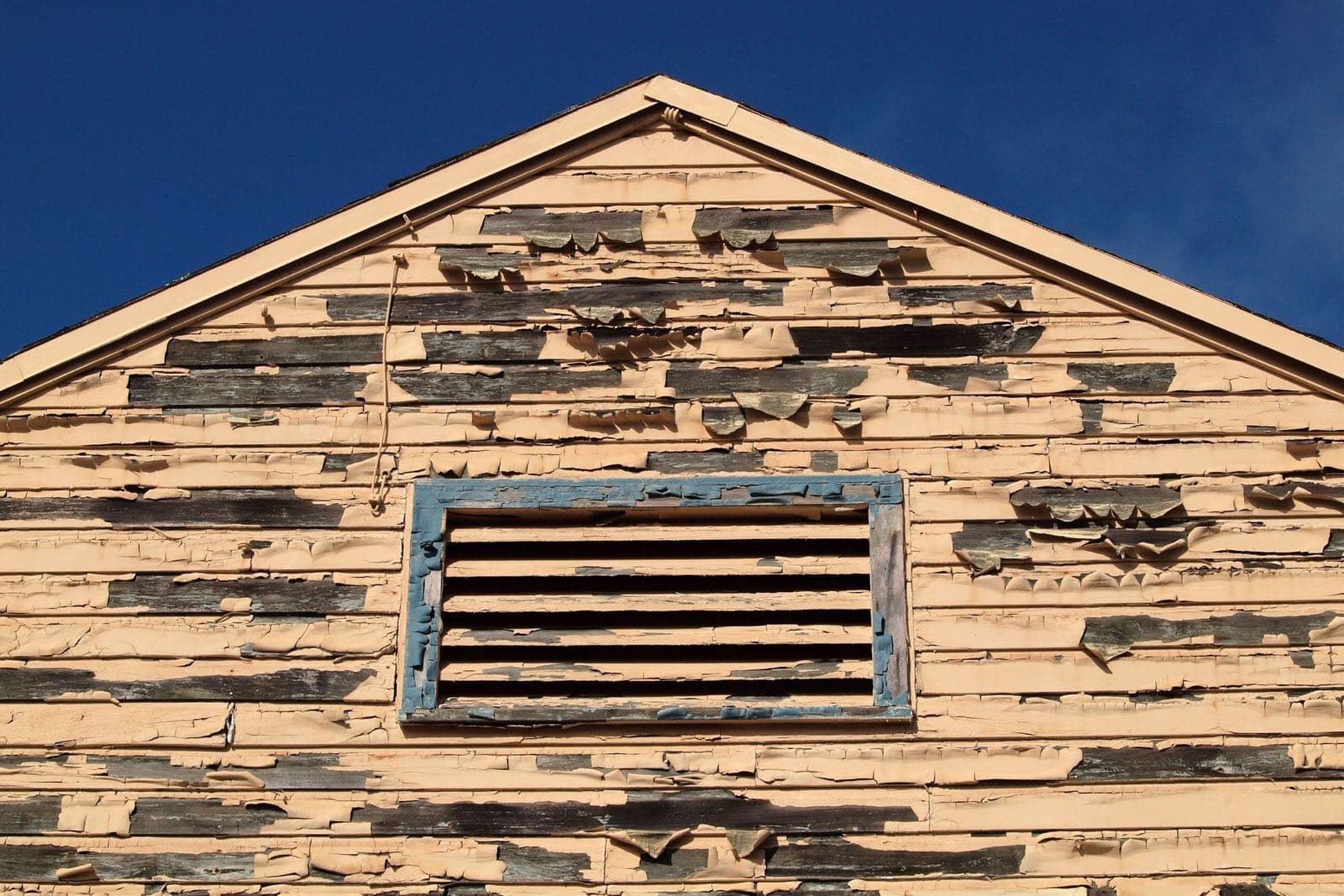
A painting warranty in Sacramento is really two separate promises, and most homeowners only find out which one matters after the paint starts peeling. The painter's workmanship warranty covers failures caused by prep and application — peeling, blistering, flaking — typically for one to three years. The paint manufacturer's warranty covers defects in the product itself, and its remedy is replacement paint or a refund of the purchase price. It never pays for labor. Since labor is 70–90% of an exterior paint job, the workmanship warranty is the one that protects your money.
This guide breaks down what each warranty covers, how long a paint job warranty lasts, what voids it, and what Sacramento's heat and stucco-heavy housing stock mean when you actually need to file a claim.
What a Painting Warranty Actually Is: Two Separate Promises
When a painter says "the job comes with a warranty," you're usually getting two documents from two different parties.
The workmanship warranty comes from the painting contractor. It promises that the paint was applied correctly to a properly prepared surface, and that if it fails because of the crew's work, they'll come back and fix it. This is the warranty you negotiate, and it's the one most likely to be used.
The manufacturer's warranty comes from Sherwin-Williams, Benjamin Moore, Behr, Dunn-Edwards, or whoever made the paint. It promises the product itself isn't defective. It comes with the can whether your painter mentions it or not.
The distinction matters because of how the money splits. According to Angi's 2026 exterior painting cost data, labor makes up 70–90% of an exterior paint job and materials are the remaining 10–30%. A manufacturer warranty, at its most generous, covers the small slice.
What Does a Painting Warranty Cover? (The Workmanship Warranty)
A painter workmanship warranty covers failures that trace back to the crew's work. In plain terms: the paint should stay on the wall for the warranty period if the surface was prepped and coated correctly.
What's typically covered
- Peeling and flaking on properly prepared surfaces, usually the result of skipped scraping, sanding, or priming
- Blistering caused by painting a hot surface, painting over damp wood, or trapping solvent under a coat applied too thick
- Alligatoring and cracking in the new coating from incompatible products or coats applied before the previous one cured
- Adhesion failure where the new paint separates cleanly from the substrate or from the old coating
- Missed areas, drips, runs, and lap marks, usually handled at the final walkthrough, but the warranty backs it up
- Bleed-through of tannins on redwood and cedar, or rust from unprimed nail heads, when the correct primer wasn't used
What's typically excluded
- Fading and color change from UV exposure, the number one exclusion and the most common complaint on Sacramento's south- and west-facing walls
- Mildew and mold growth, which is a moisture problem, not a paint problem
- Damage from water intrusion: roof leaks, failed flashing, sprinkler overspray, gutters dumping onto siding
- Substrate movement: hairline cracks in stucco, settling cracks in drywall, wood that splits or checks
- Horizontal surfaces like decks, handrails, stair treads, and window sills, which take standing water and foot traffic
- Surfaces that were already failing and were painted "as is" at the homeowner's request
- Damage from cleaning, impact, pets, or attaching things to the wall
- Surfaces the homeowner prepped or primed themselves
| Usually covered by a workmanship warranty | Usually excluded by both warranties |
|---|---|
| Peeling, flaking, blistering on surfaces the crew prepped | Fading, chalking, and color change from sun |
| Cracking or alligatoring in the new coating | Mildew and mold |
| Adhesion failure between coats or to the substrate | Water damage from leaks, flashing, sprinklers |
| Tannin or rust bleed-through from missed primer | Hairline stucco cracks and drywall settling cracks |
| Drips, runs, lap marks, missed spots | Decks, sills, handrails, and other horizontal surfaces |
| Premature failure on wood, stucco, siding, trim | Damage from cleaning, impact, or attachments |
Paint Manufacturer Warranty Explained
Every major exterior paint line sold in Sacramento carries a written product warranty, and most of the top-tier lines call it "lifetime limited." That phrase does a lot of work, so here's exactly what the fine print says.
Take the Sherwin-Williams Duration Exterior lifetime limited warranty as a representative example. If the coating peels or blisters during the lifetime of the original purchaser, Sherwin-Williams will replace enough product to repair the affected area or refund the original purchase price. The warranty:
- Excludes labor, or any costs associated with labor, for application or removal
- Excludes any failure caused by improper surface preparation, structural defects, failure of a previous coat of paint, or improper application
- Is made to the original residential purchaser and is not transferable
Benjamin Moore Aura Exterior, Behr Marquee, and Dunn-Edwards Evershield carry lifetime limited warranties on their top exterior lines with the same structure: product defect only, remedy in paint or refund, labor excluded, prep exclusions apply. Our Sherwin-Williams vs Benjamin Moore comparison goes deeper on how the product tiers differ.
Three things follow from that language:
- The remedy is paint, not a repaint. If a defective batch fails across an entire elevation, you get a few gallons. Someone still has to scrape, prime, and reapply.
- "Original purchaser" is often your painter. Most contractors buy paint on their own account. Unless the receipts and product list are in your name or handed to you at closeout, you may not be the warranty holder at all. Ask for the product list, sheen, color codes, and receipts as part of your closeout documents.
- The prep exclusion swallows most claims. Manufacturers know that the overwhelming majority of coating failures come from surface conditions and application, not the product. A field rep can usually point to a prep or application cause, which pushes the claim back to the contractor.
The $6,000 figure is a mid-range Sacramento exterior; see our house painting cost guide for what drives it up or down.
How Long Does a Paint Job Warranty Last?
Labor warranties on residential painting in the Sacramento market cluster into a few tiers.
- 1 year: The minimum you should accept. Common with smaller or newer outfits. It covers the first summer and the first rainy season, which is when most prep failures appear.
- 2–3 years: The typical range for established residential painters. It covers two full heat-and-rain cycles.
- 5 years: Offered by some contractors on exterior work, usually conditioned on top-tier product lines, a full prep scope, and no homeowner-supplied paint.
- "Lifetime" workmanship warranties: Rare, and usually defined as the life of the coating with pro-rated coverage after the first few years. Read the definition of "lifetime" before you count on it.
Why the warranty length is less important than it looks: prep and application failures show up fast. Paint applied over chalky stucco, damp wood, or a slick old coat lets go after the first stretch of 100°F days or the first hard rain. Sacramento averages about 23 days a year at 100°F or above, and 2024 set a record with 45 triple-digit days. If the crew cut corners, a two-year warranty will catch it. A ten-year warranty from a company that won't pick up the phone catches nothing.
What matters more than the number of years:
- Whether the company has been in business longer than the warranty it's offering
- Whether the warranty is in the written contract, not on a website or in a verbal promise
- Whether the remedy is spelled out (spot repair vs. repainting the full wall so sheen and color match)
- Whether the warranty covers materials as well as labor for the repair
For context on how long the paint itself should last before normal wear sets in, see how long exterior paint lasts in this climate.
Is Paint Failure Covered Under Warranty? Failure by Failure
The honest answer is "it depends on why it failed," and the cause determines which warranty, if any, responds. This table covers the failures Sacramento homeowners actually call about.
| Failure | Usual cause | Workmanship warranty | Manufacturer warranty |
|---|---|---|---|
| Peeling in sheets down to bare wood | Old coat not fully removed; painted over damp or dirty wood | Yes | No — prep exclusion |
| Blistering | Hot-surface application, or moisture behind the film | Yes if application-related; no if from a leak | Only if a product defect is confirmed |
| Alligatoring or cracking in the film | Coats too thick or over uncured paint; incompatible products | Yes | No |
| Fading or color change | UV exposure | No | No |
| Chalking | Aging paint or low-grade product | Sometimes, if clearly premature | Sometimes, if premature and severe |
| Mildew | Moisture, shade, poor airflow | No | No |
| Hairline stucco cracks | Substrate movement | No (crack repair is a separate scope) | No |
| Rust bleed at nail heads | Nail heads not spot-primed | Yes | No |
| Tannin bleed on redwood or cedar | Wrong primer or no primer | Yes | No |
| Peeling on deck boards or sills | Standing water, foot traffic | Usually excluded outright | No |
If you're looking at peeling right now and want to understand what's underneath before you call anyone, our guide to fixing peeling paint walks through how to read the failure.
How a typical claim plays out
Here's a scenario we see versions of every summer. A homeowner in Elk Grove has the exterior repainted in spring. Two summers later, paint on the fascia boards and the west-facing garage wall starts lifting in sheets. Underneath, there's an older coat of paint still clinging to the wood in some places and bare, gray wood in others.
The cause is clear once you see it: the previous coating was already failing, and it wasn't fully scraped and feathered before the new coat went on. The new paint bonded to the old paint, and the old paint let go of the wood. The manufacturer's warranty doesn't apply, because "failure of a previous paint" is an explicit exclusion. This is a workmanship claim, and a two- or three-year labor warranty covers it. A one-year warranty would have expired a summer earlier.
Now change one detail. Same house, but the peeling is on the stucco below a bedroom window, and the paper behind the stucco is damp. That's water getting in around the window flashing. Neither warranty covers it, because the paint didn't fail — the wall did. The fix is a flashing repair first, then paint.
Sacramento & Placer County
Need a real quote on your project?
Free, no-obligation walkthrough. Itemized estimate within 24 hours. Most jobs scheduled within 2–3 weeks.
What Voids a Painting Warranty
Most workmanship warranties list conditions that release the contractor from the promise. Some are reasonable, some are worth negotiating, and a few are specific to how Sacramento homes are built and landscaped.
Homeowner-side conditions
- Sprinkler overspray hitting the house. This is the single most common cause of localized stucco and siding failure in Sacramento subdivisions, and it's excluded in virtually every warranty. Adjust heads so water doesn't reach the wall.
- Pressure washing painted surfaces at high PSI, or using bleach or TSP without a thorough rinse. Our power washing guide covers safe pressure ranges.
- Unrepaired leaks in roofing, gutters, flashing, or plumbing behind the wall.
- Soil, mulch, or planters piled against siding or stucco, which wicks moisture up into the wall.
- Attaching items to painted surfaces: trellises, lights, house numbers, holiday clips.
- Touching up or repainting sections yourself before notifying the contractor of a problem.
- Selling the home. Most workmanship warranties are non-transferable unless you negotiate otherwise. If you're painting before listing, ask for a transferable warranty in writing. Buyers and their inspectors ask about it.
Contractor-side conditions
- Unpaid balance. Nearly every warranty is void if the final invoice isn't paid. Pay on completion after a walkthrough; don't hold back payment as a bargaining chip.
- Written notice within a set window. Many contracts require you to report a defect in writing within 10–30 days of noticing it.
- Homeowner-supplied paint. If you bought the paint yourself, expect the labor warranty to exclude product-related failures.
- Work done "as requested" against the contractor's advice, such as skipping a primer coat or painting through a heat wave to hit a deadline. Get any such request documented, because it will be used to deny a claim later.
How to Read a Painting Warranty Before You Sign
Before you sign a painting contract in Sacramento, the warranty section should answer every one of these. If it doesn't, ask for the language to be added.
- Duration, stated in years or months, with a start date (usually the completion date, not the contract date)
- What's covered, named specifically: peeling, blistering, flaking, cracking, adhesion failure
- What's excluded, named specifically, so there are no surprises about fading or horizontal surfaces
- The remedy: spot repair, repaint of the affected surface, or repaint of the full elevation so sheen and color match. Touch-ups on a two-year-old wall rarely blend, especially in satin or semi-gloss.
- Who pays for materials during a warranty repair: labor and paint, or labor only
- The claim procedure: how to notify (email or letter), and how quickly they'll inspect and respond
- Transferability if you sell the home
- Conditions that void the warranty, including the payment clause
- The product list: manufacturer, product line, sheen, and color codes, so the manufacturer's warranty can actually be traced
A contractor who has honored warranty claims before will have this language ready. One who hasn't will improvise, and that's a signal in itself. Our contractor vetting checklist covers the other questions to ask alongside these.
The prep spec is the real warranty
The warranty tells you what happens after paint fails. The prep specification tells you whether it will. On an exterior repaint, the written scope should cover pressure washing, scraping and sanding loose paint, feathering edges, spot priming bare wood and metal, caulking gaps, patching stucco, and the number of finish coats. If the estimate just says "prep and paint," you can't hold anyone to a standard later. Exterior painting preparation is where most of the labor hours go, and where most warranty claims are born or prevented.
Sacramento Factors That Change How Warranties Play Out
The same warranty language means something different in Sacramento than it does in Portland or San Diego. Four local conditions come up repeatedly in claims.
Heat and surface temperature
Most exterior paints specify a maximum surface temperature for application, typically somewhere between 90°F and 120°F depending on the product. Sacramento stucco and dark-painted siding in direct afternoon sun in July can run well above 130°F. Paint applied to a wall that hot skins over before it can bond, which shows up later as blistering and poor adhesion. Crews working summer schedules should follow the shade around the house and start early. If your project lands in a heat wave, ask how they're managing surface temperatures. How Sacramento heat damages exterior paint explains the mechanics.
Stucco is the default, and stucco moves
Most homes built in Elk Grove, Roseville, Folsom, Rancho Cordova, and Natomas since the 1980s are stucco. Stucco develops hairline cracks as the house settles and as the material expands and contracts through 30-degree-plus daily temperature swings. Those cracks telegraph through paint, and no warranty covers them, because the paint didn't fail. Ask how the crew handles stucco crack repair before painting, and whether an elastomeric coating makes sense for walls with recurring cracks.
Older wood-sided homes and previous coatings
Land Park, East Sacramento, Curtis Park, Oak Park, and central Davis have wood-sided homes with decades of paint layers. Failure of a previous coat is excluded by manufacturers and, unless the contract says otherwise, often by contractors too. Homes built before 1978 add lead paint rules that limit how aggressively old paint can be removed. On these homes, the prep scope and the warranty language on "existing coatings" deserve a careful read.
Rain timing
Sacramento's first real rain usually arrives in late October or November. Exterior paint applied within a day or two of rain, or onto siding that hasn't dried out after a storm, can fail at the adhesion layer. That's a workmanship issue. The best time to paint your exterior in Sacramento is a wide window, but the edges of that window are where scheduling pressure leads to claims.
What to Do When You Think You Have a Warranty Claim
- Photograph everything with dates. Wide shots for location, close-ups for the failure, and a shot showing what's underneath the lifted paint: bare wood, old paint, or chalky stucco.
- Read your contract for the notice window and the required method of notice.
- Notify in writing. Email is fine if the contract allows it. Describe the location, when you noticed it, and attach photos. Keep it factual.
- Allow an inspection. The contractor is entitled to look before agreeing to a remedy. A reputable one will come out within a couple of weeks.
- Understand the proposed fix. Spot repairs on satin or semi-gloss will flash. If the contract promises a matching repaint of the affected surface, hold them to it.
- If you're refused, put the disagreement in writing and ask for the specific exclusion they're relying on. Disputes up to $12,500 can go to California small claims court without an attorney. For breach of a written contract, California's statute of limitations is four years (Code of Civil Procedure section 337), so a claim on a three-year warranty doesn't expire the day the warranty does. Don't wait, though; the further you get from the completion date, the harder it is to prove the cause.
Frequently Asked Questions
What does a painting warranty cover?
A painter's workmanship warranty covers coating failures caused by preparation or application: peeling, blistering, flaking, cracking, and adhesion loss on surfaces the contractor prepared and painted. It typically excludes fading, mildew, water damage from leaks or sprinklers, substrate cracks in stucco or drywall, horizontal surfaces like decks and sills, and damage caused by the homeowner. The paint manufacturer's warranty covers only defects in the product itself and pays out in replacement paint or a refund, not labor.
How long does a paint job warranty last?
Most residential painters in the Sacramento area offer a workmanship warranty of one to three years, with some offering five years on exterior work tied to top-tier product lines and a full prep scope. Manufacturer warranties on top exterior lines are usually "lifetime limited," meaning the life of the original purchaser, for product defects only. The workmanship warranty is the one that matters most, because prep and application failures almost always appear within the first two years.
Is paint failure covered under warranty?
It depends on the cause. Peeling, blistering, and flaking caused by poor prep or application are covered by a workmanship warranty. Failure caused by a defective product is covered by the manufacturer, but only for the cost of the paint. Failure caused by water intrusion, sprinkler overspray, structural cracks, UV fading, or homeowner damage is not covered by either. An inspection of what's under the failed paint usually settles which category it falls into.
Does a paint manufacturer warranty cover labor?
No. Manufacturer warranties from Sherwin-Williams, Benjamin Moore, Behr, Dunn-Edwards, and the other major brands explicitly exclude labor costs for application or removal. The remedy is limited to replacement paint or a refund of the original purchase price. On a typical exterior repaint where labor is 70–90% of the cost, the manufacturer's warranty covers a small fraction of what a failure actually costs to fix.
Is a painting warranty transferable when I sell my house?
Usually not by default. Most workmanship warranties are written to the original customer and end when the property changes hands, and manufacturer warranties are made to the original purchaser and are non-transferable. If you're painting before selling, ask for a transferable workmanship warranty in writing before you sign. It's a reasonable request and a selling point for buyers.
What voids a painting warranty?
Common triggers include an unpaid balance, failure to report a problem in writing within the contract's notice window, sprinkler overspray or unrepaired leaks, pressure washing or harsh cleaning of painted surfaces, attaching items to the wall, homeowner touch-ups before the contractor inspects, homeowner-supplied paint, and work performed against the contractor's written advice. Selling the home also ends most warranties unless transferability was negotiated up front.
Get the Warranty in Writing Before the First Coat
The best painting warranty in Sacramento is a written one from a company that will still be answering the phone in three summers. Ask what's covered, what's excluded, what the remedy is, and who pays for materials on a repair. Then read the prep spec, because that's what determines whether you'll ever need the warranty at all.
If you're comparing bids for exterior painting in Sacramento, Roseville, or Elk Grove, bring these questions to every contractor, including us. Call ProFlow Painting at (916) 740-7249 or request a written estimate and we'll walk through the prep scope, the products, and exactly what's covered on your project before you sign anything.
Free quote · Sacramento & Placer County
Ready for a real estimate, not a guess?
Tell us about your project and we'll walk it with you in person. Itemized quote within 24 hours, no high-pressure sales.