
Planning an interior painting project can feel overwhelming, but proper preparation makes all the difference between a stressful experience and a smooth, professional transformation. Whether you're painting one room or your entire home, knowing what to do before painters arrive saves time, protects your belongings, and ensures the best possible results.
This comprehensive interior painting preparation guide walks you through exactly what homeowners should handle and what professional painters take care of. We've worked in hundreds of Sacramento-area homes, and these preparation steps consistently lead to the most successful projects. From the week before your scheduled painting date to the day your painters arrive, you'll know exactly what to expect and how to prepare each room for painting.
The truth is, you don't need to do as much as you think. Professional painters handle most of the heavy lifting, but there are specific steps that help your project start smoothly and finish beautifully. Let's dive into everything you need to know about preparing for painters and creating the perfect environment for your interior painting transformation.
The Week Before Painting
The week leading up to your interior painting project is the ideal time to handle preparation tasks that require planning and decision-making. These steps ensure your painters can start work immediately when they arrive, maximizing efficiency and keeping your project on schedule.
Clear the Walls
Start by removing everything hanging on walls that will be painted. This includes artwork, photographs, mirrors, wall-mounted shelves, decorative hooks, and any other wall decor. Don't forget items mounted on doors like over-the-door organizers or hooks. While professional painters can work around some items, clearing walls completely allows for the most thorough paint coverage and prevents accidental damage to your belongings.
Take down curtain rods and window treatments in rooms being painted. This protects expensive drapery from paint splatters and gives painters complete access to window frames and trim. Store curtain rods, brackets, and hardware together in labeled bags so reinstallation is straightforward after painting completes.
Remove or secure any loose outlet covers, light switch plates, and vent covers if you're comfortable doing so. Many professional painters handle this step, but doing it yourself can save time. Store small hardware pieces in labeled plastic bags organized by room to avoid losing screws and mounting pieces.
Document Current Condition
Take clear photographs of each room before painting begins, capturing walls, floors, furniture placement, and any existing imperfections you want addressed. These photos serve multiple purposes: they document pre-existing wall damage, help you remember furniture arrangement for after the project, and provide a reference for custom colors or finishes you want matched.
Walk through each room with your painter or project manager to discuss specific concerns, desired outcomes, and any areas requiring special attention. Point out wall damage that needs repair, discuss sheen preferences for different areas, and clarify which surfaces will and won't be painted. This conversation prevents misunderstandings and ensures everyone shares the same vision.
Create a written list of any specific requests, such as accent walls, different colors for trim, or areas that should not be painted. Provide this to your painting team along with paint color selections and product preferences if you have specific brand requirements.
Plan for Pets and Children
Pets and painting projects don't mix well. Schedule boarding for dogs and cats, or arrange for them to stay with family or friends during the painting process. If boarding isn't possible, designate a room far from the painting area where pets can stay safely confined with food, water, and comfort items. Inform your painters which room contains pets so they can keep doors closed and avoid startling animals.
For families with young children, consider adjusting schedules during painting days. The presence of strangers, equipment, and painting materials can be stressful for small children, and paint fumes require proper ventilation. If possible, arrange playdates, daycare, or activities outside the home during intensive painting days. If children will be home, clearly communicate this to your painting team so they can plan accordingly for safety.
Discuss ventilation needs with your painting contractor. Modern low-VOC paints produce minimal odors, but fresh air circulation remains important. Plan how you'll maintain comfortable temperatures while keeping windows open for ventilation, especially important for families with respiratory sensitivities.
Coordinate Access
Confirm the exact start date and time with your painting contractor. Discuss arrival times, where painters should park, and whether you'll be home when work begins. If you won't be present, arrange secure access through a lockbox, garage code, or leaving a door unlocked. Some homeowners prefer to provide a temporary key that's returned upon project completion.
Clear parking spaces close to your home's entrance for painting company vehicles and equipment. Professional painters bring significant equipment including ladders, scaffolding, paint supplies, and drop cloths. Easy parking access speeds up setup and breakdown, keeping your project on schedule.
Notify neighbors about your upcoming painting project, especially if you live in an apartment, condo, or townhome where shared walls and hallways are involved. This courtesy prevents surprise when they see unfamiliar people entering your home and helps maintain good neighbor relations if any noise or activity affects shared spaces.
The Day Before Painting
As your painting start date approaches, shift focus to immediate preparation tasks that set up your space for painting crews to begin work efficiently the moment they arrive.
Move Small Items
Remove small furniture pieces, decorative items, and personal belongings from rooms being painted. This includes side tables, floor lamps, plants, throw pillows, blankets, and anything sitting on surfaces. While professional painters will move larger furniture pieces away from walls, clearing smaller items yourself prevents accidental damage and speeds up the setup process.
Empty closets if their interiors will be painted, or if they're needed for temporary storage of furniture from adjacent rooms. Remove hanging clothes, shoes from floors, and items from shelves. Store these belongings in rooms not being painted or in clearly marked boxes in your garage or another protected area.
Clear bathroom and kitchen countertops of toiletries, small appliances, and personal items. Painters need access to walls behind these surfaces, and clearing them prevents items from getting dusty or accidentally moved. Store bathroom products in cabinets or a temporary bin you can easily access during the project.
Pack away valuable items including jewelry, important documents, collectibles, and electronics from rooms being painted. While professional painters take care to protect belongings, removing high-value or irreplaceable items eliminates worry and protects your most precious possessions. Store these in a locked room, safe, or off-site location until painting completes.
Clear Pathways
Create clear, wide pathways from your home's entrance to each room being painted. Painters will transport equipment, ladders, and paint supplies throughout your home, and obstacle-free routes prevent accidents and protect your flooring. Remove hall runners, floor plants, umbrella stands, and anything else narrowing walkways.
Protect high-traffic areas with temporary floor covering if you're concerned about tracked paint or dust. While professional painters use drop cloths and floor protection in work areas, high-traffic transition zones can benefit from additional protection. Inexpensive plastic runners work well for temporary protection during a multi-day project.
Move vehicles out of garages if your painting project includes garage interiors or if painters need garage access for equipment storage. An empty garage provides valuable staging space for supplies and protects painting equipment from weather if your project spans multiple days.
Clear outdoor entry areas if painters will be moving in and out frequently. A clear path from driveway to front door, including steps and porches, prevents trips and falls while carrying equipment. If weather looks questionable, consider providing a temporary covered area for paint supplies and equipment near the entry point.
Protect Valuables
Cover remaining large furniture pieces with clean sheets or old blankets. While professional painters will add their own protective covering, an initial layer of protection from your own supplies adds extra security for expensive furniture and gives you peace of mind.
Remove or secure fragile items on built-in shelving in rooms being painted. Bookcases, entertainment centers, and display shelves often can't be moved entirely, but removing breakable items prevents accidental damage from ladders, equipment, or the movement of working professionals in your space.
Cover floors in adjacent rooms with old towels or mats at doorways connecting to painting areas. This catches any dust or debris at transition points and provides an extra reminder to painters about which rooms are not included in the project scope.
Secure important items in bedrooms being painted, including medications from nightstands, important papers, and anything you need daily access to during the project. Create a temporary "command center" in a room not being painted where you keep essentials you'll need while work is underway.
HVAC Considerations
Change your HVAC filter the day before painting begins. Painting projects create fine dust from surface preparation, and a fresh filter protects your heating and cooling system while capturing particles. Plan to change the filter again after the project completes for optimal air quality.
Discuss HVAC operation with your painting contractor. In most cases, you'll want to run your system normally to maintain comfortable temperatures for working crews, but you may need to cover certain vents or registers to prevent overspray in rooms with spray-painted surfaces. Your painting professional will guide you on best practices for your specific project.
If painting during extreme temperatures, plan how you'll balance ventilation needs with climate control. Proper ventilation speeds drying and reduces any paint odor, but you'll need to maintain reasonable temperatures for paint to cure properly. Modern HVAC systems can typically handle running with windows cracked open, but discuss this with your contractor.
Set your thermostat to a consistent temperature. Avoid dramatic temperature swings during painting and drying periods, as consistent conditions promote even paint curing and prevent quality issues like cracking or poor adhesion.
What Professional Painters Handle
Understanding what professional painters take care of helps you avoid unnecessary preparation work and appreciate the full scope of services included in your painting project. Professional painting contractors handle much more than just applying paint to walls.
Furniture Moving and Room Setup: Professional painters move large furniture pieces away from walls, group items in room centers, and cover everything with protective sheeting. You don't need to push sofas, slide dressers, or relocate beds. However, removing small, fragile, or valuable items yourself provides extra security for irreplaceable belongings. Painters work carefully around furniture but appreciate when homeowners secure personal treasures.
Most professional painting companies include furniture moving in their service scope, but clarify this during your estimate. Some companies have limitations on extremely heavy items like pianos, slate pool tables, or oversized armoires. Discuss any unusual furniture pieces during the estimation phase so appropriate plans can be made, whether that involves additional moving assistance or leaving certain pieces in place and working around them.
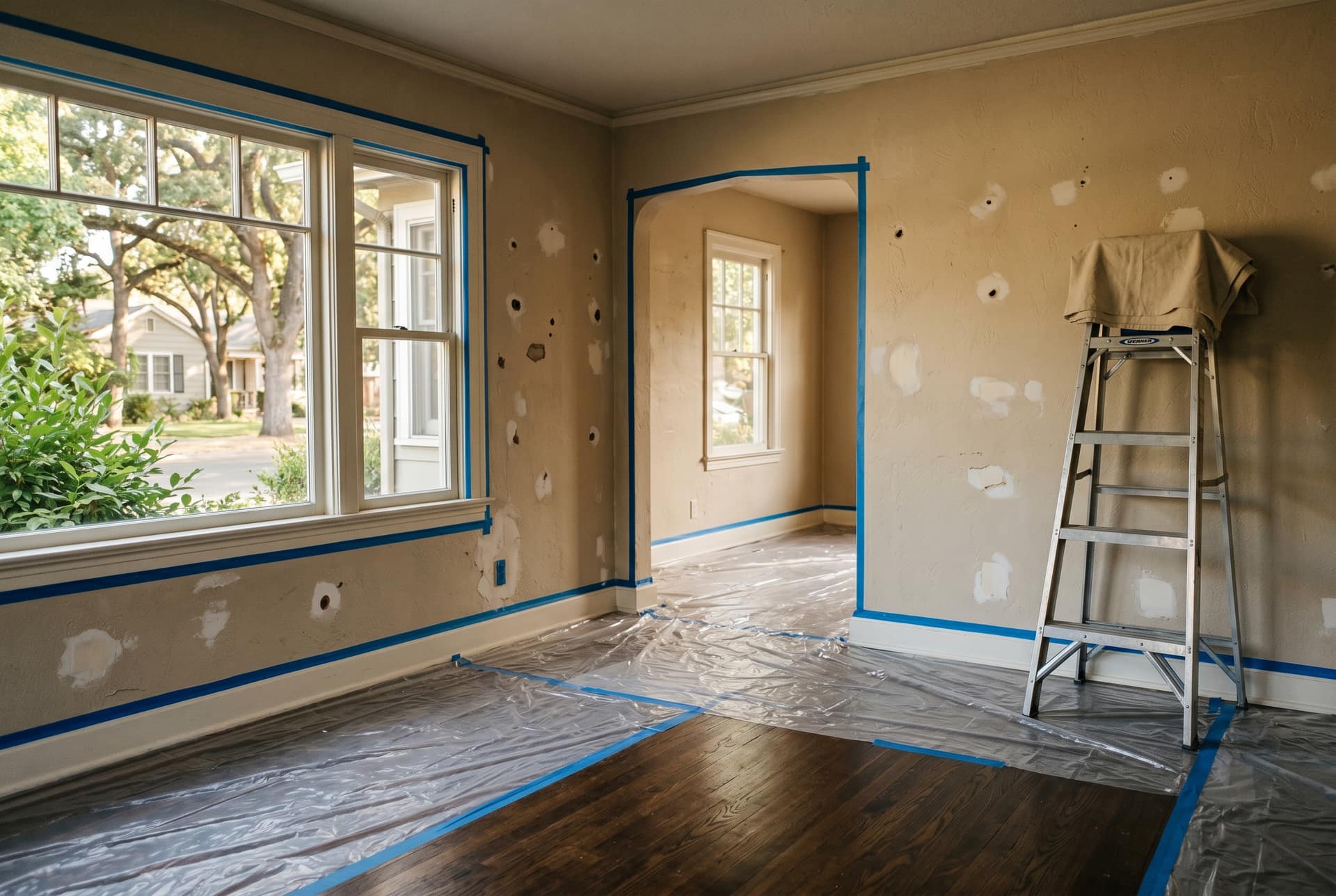
Surface Protection and Masking: Professional painters arrive with extensive protective materials including canvas drop cloths, plastic sheeting, and specialized floor protection. They cover floors completely in work areas, protecting carpets and hardwood from paint drips or dust. Plastic sheeting protects furniture grouped in room centers, and doorways get covered to contain dust in work areas.
Masking is a specialized skill that professional painters perfect over years of experience. They mask baseboards, door frames, window trim, and any surfaces adjacent to areas being painted. This precise taping ensures crisp, clean paint lines and protects surfaces that shouldn't receive paint. Quality masking makes the difference between amateur and professional results, and it's one area where professional expertise truly shines.
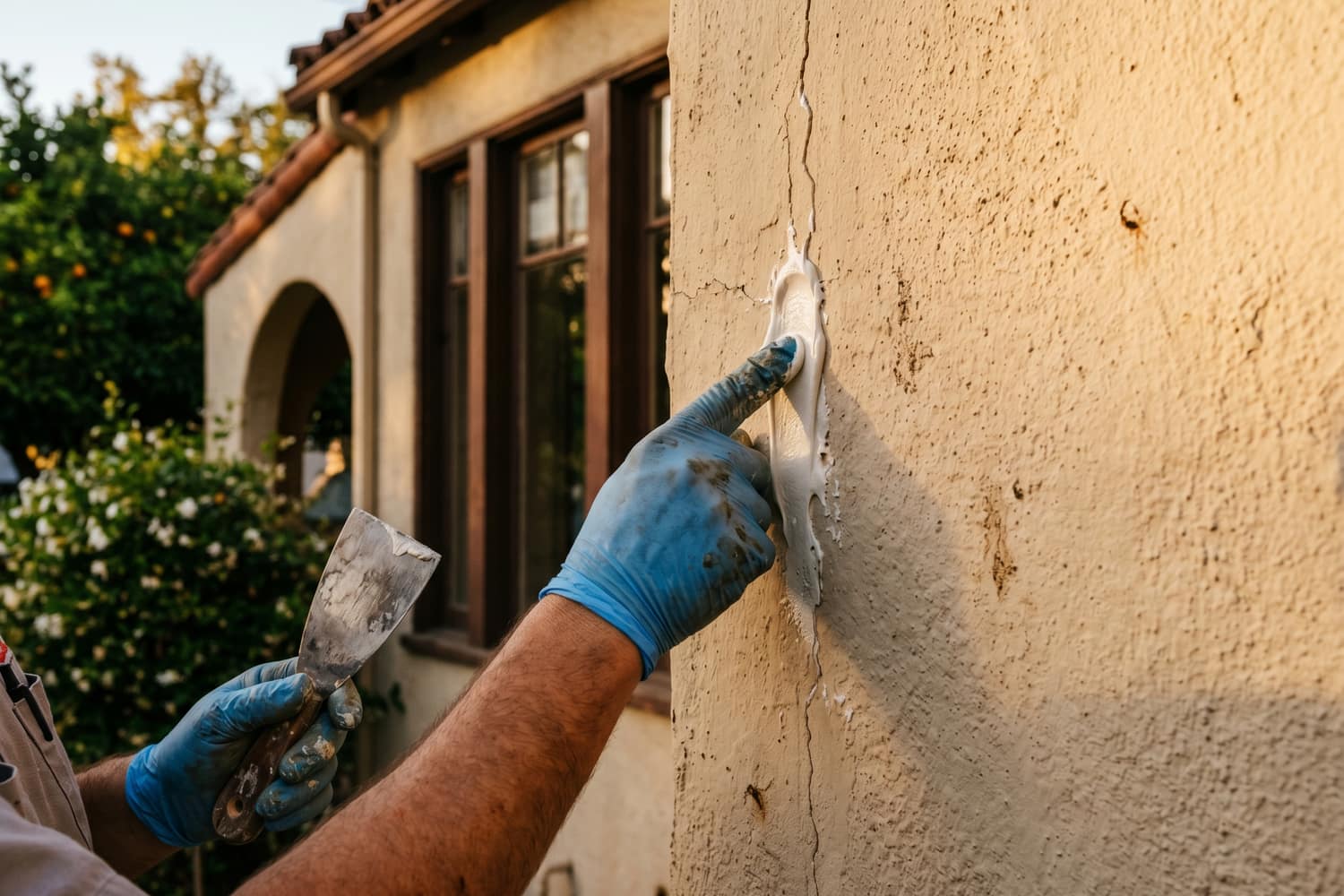
Surface Preparation: Professional painters spend significant time preparing surfaces before any paint touches walls. This includes filling nail holes, repairing cracks, sanding rough areas, and priming stained or damaged spots. Surface preparation accounts for much of the labor time in professional painting projects, but it's what ensures your new paint looks smooth and lasts for years.
Expect painters to wash walls in kitchens and bathrooms where grease or soap residue can prevent proper paint adhesion. They'll remove switch plates and outlet covers, taking care to keep hardware organized for reinstallation. Any necessary caulking around trim, baseboards, or gaps gets completed before painting begins, creating seamless transitions between surfaces.
Quality Application and Cleanup: Professional painters use proper techniques for cutting in edges, rolling walls, and creating uniform coverage without lap marks or streaks. They maintain wet edges while working, apply appropriate coat thickness, and ensure consistent sheen across all surfaces. These techniques come from training and experience and produce results that DIY efforts rarely match.
Daily cleanup is part of professional painting service. At the end of each work day, painters secure paint cans, clean brushes and rollers, consolidate drop cloths in work areas, and leave your home in reasonable order. Final cleanup after project completion includes removing all protective materials, reinstalling switch plates and hardware, touching up any needed areas, and walking through the completed project with you to ensure satisfaction.
Communication Throughout the Project: Professional painters keep you informed about progress, timeline, and any issues discovered during the project. If they find unexpected wall damage, moisture problems, or other concerns, they'll discuss options before proceeding. This communication ensures no surprises and keeps you involved in decisions affecting your home.
Room-by-Room Preparation Tips
Different rooms require specific preparation approaches based on their function and contents. These room-specific tips help you prepare effectively for painting throughout your home.
Living Room and Bedrooms
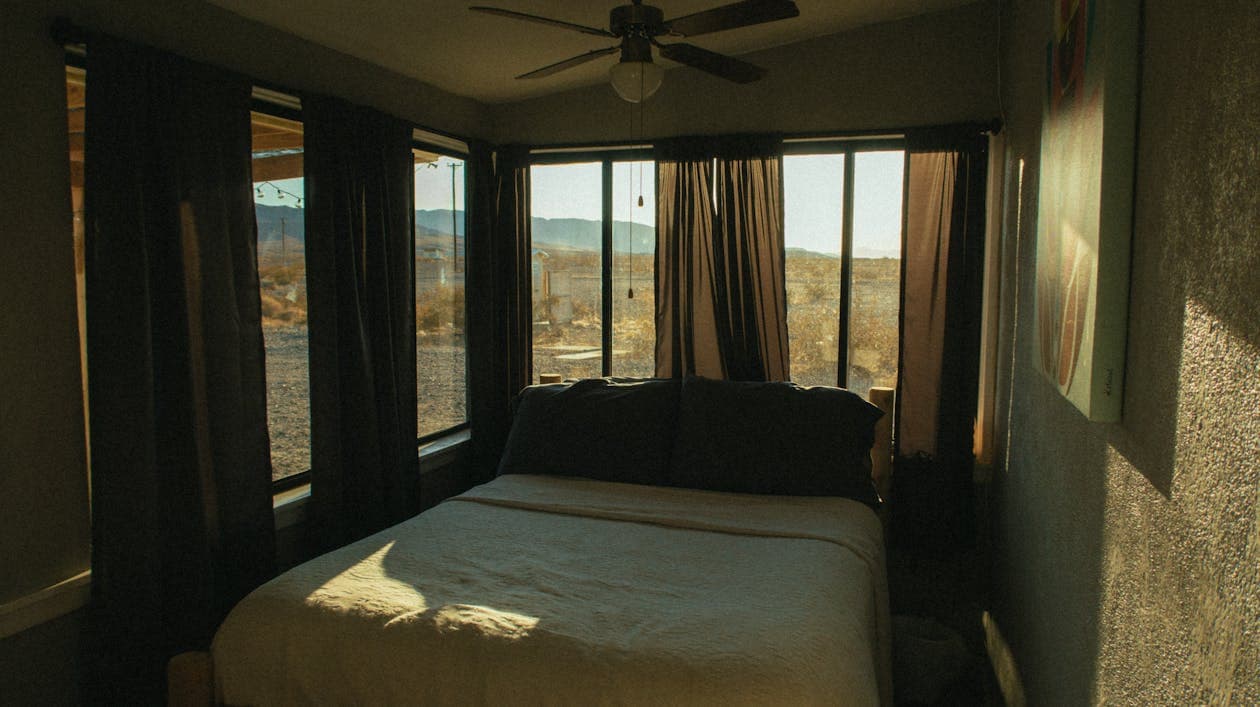
Living rooms and bedrooms typically contain your most valuable furniture and personal items, making thoughtful preparation especially important. Start by removing all wall decor, including family photos, artwork, mirrors, and decorative shelves. Take down curtain rods and store window treatments safely away from the painting area.
Clear surfaces of decorative items, books, magazines, and personal belongings. Remove items from the tops of dressers, nightstands, bookshelves, and entertainment centers. While these furniture pieces will be covered with protective sheeting, removing items prevents accidental damage and eliminates dust concerns.
In bedrooms, remove bedding and store it in a closet or room not being painted. You might also remove mattresses to lighten bedroom furniture for easier moving. If you'll continue sleeping in a bedroom during painting, coordinate with your painting contractor about timing. Many professionals can complete bedroom painting in a single day, allowing you to sleep in a different room one night and return the following evening.
For living rooms with entertainment systems, you don't need to disconnect electronics, but photograph cable connections if you choose to disconnect anything. This documentation makes reconnection straightforward. Cover electronics with additional protection if you're concerned about dust, though professional drop cloths typically provide adequate coverage.
Remove floor lamps, small side tables, and decorative items like floor vases or sculpture. These items are easy to relocate and create trip hazards in rooms filled with drop cloths and painting equipment. Store them in a garage, basement, or room not being painted for the duration of your project.
Kitchen Preparation
Kitchen painting requires special attention due to grease residue, small appliances, and the reality that most families need kitchen access during painting projects. Remove small appliances from countertops including coffee makers, toasters, blenders, and knife blocks. Store these in lower cabinets or in boxes in a room not being painted.
Clear refrigerator surfaces of magnets, photos, and papers. Professional painters need access to walls behind and around refrigerators. In most cases, refrigerators can remain in place, but painters will pull them slightly away from walls for complete paint coverage behind them. Empty the top of your refrigerator completely, as items there often get forgotten and can fall when the appliance is moved.
Remove dish towels, pot holders, and any items hanging from cabinet knobs or hooks. Clear countertop corners where decorative items might sit. The goal is giving painters complete access to all wall surfaces without obstruction.
If cabinet interiors or exteriors will be painted, empty cabinets completely. This is labor-intensive but necessary for proper cabinet painting. Use this opportunity to declutter kitchen items you no longer use. Store necessary items in clearly labeled boxes in your garage or dining room, keeping daily essentials easily accessible.
Discuss kitchen access needs with your painting contractor. Many families need to prepare simple meals during multi-room painting projects. Professionals can often work around limited kitchen access, completing kitchen painting in concentrated timeframes and coordinating their schedule with your needs. If your kitchen will be unavailable, plan for alternative meal solutions like takeout, restaurant dining, or preparing meals in another area of your home.
Bathroom Preparation
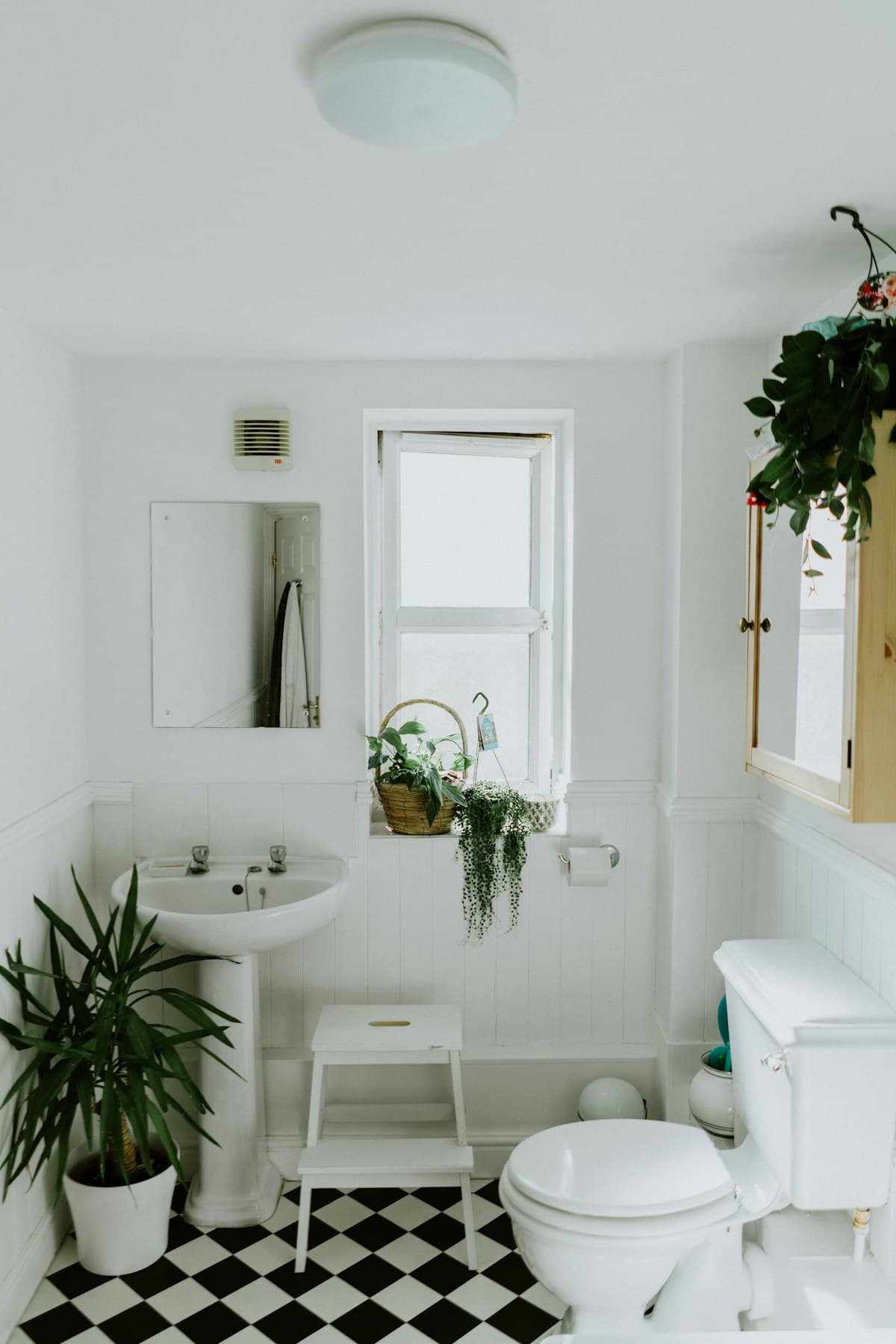
Bathroom painting moves quickly due to smaller square footage, but preparation is crucial because of moisture concerns and personal items. Remove all items from countertops including toiletries, soap dispensers, toothbrush holders, and decorative items. Store these in cabinets or a temporary bin you can access during the project.
Take down shower curtains and bath mats. Remove any over-the-toilet storage units or wall-mounted shelving. Clear the area around and behind toilets, as painters need complete access to walls in tight bathroom spaces. Remove toilet tank covers and store them safely, as these can break if accidentally knocked while working in close quarters.
Empty bathroom cabinets if their interiors will be painted. Even if cabinet interiors aren't included in your project, removing items from under sinks gives painters easier access to walls behind vanities and provides space for temporary tool storage in larger bathrooms.
Coordinate bathroom access during the project. If you have multiple bathrooms, designate one that won't be painted for family use during the project. If your home has only one bathroom, discuss scheduling with your painting contractor. Most professionals can complete bathroom painting quickly and coordinate around your essential access needs.
Address any mold or mildew issues before painters arrive. Point out any moisture problems or persistent mold areas to your painting contractor. Professional painters can treat and address these issues, but identifying them upfront ensures they're handled properly with appropriate primers and paints designed for moisture-prone areas.
Home Office
Home offices present unique preparation challenges due to electronics, paperwork, and the reality that many people need to work during painting projects. Photograph cable connections before disconnecting any computer equipment, monitors, printers, or networking gear. These photos make reconnection simple after painting completes.
Back up all computer data before painting begins. While professional painters work carefully, the combination of moved equipment and your own reconnection efforts creates small risks for electronics. Current backups provide peace of mind.
Remove items from desk surfaces including papers, office supplies, decorative items, and personal belongings. Clear bookshelves of books and decorative items if these will be moved away from walls. Use boxes to organize office items by category, making post-painting setup more efficient.
If you must work during painting, coordinate with your contractor about scheduling. Many home office painting projects can be completed in a single day. You might work from a different room, a local coffee shop, or a coworking space for one day while your office transformation happens.
Secure important documents, financial records, and confidential paperwork in filing cabinets or boxes in a locked room. While painters respect privacy and work professionally, removing sensitive information eliminates any concern and protects your privacy completely.
Sacramento & Placer County
Need a real quote on your project?
Free, no-obligation walkthrough. Itemized estimate within 24 hours. Most jobs scheduled within 2–3 weeks.
What NOT to Do
Well-meaning homeowners sometimes over-prepare or attempt tasks better left to professional painters. Understanding what not to do saves time and prevents problems that can actually complicate your painting project.
Don't Move Heavy Furniture Yourself: Avoid straining yourself moving large sofas, heavy dressers, or bulky furniture pieces. Professional painters have the manpower, experience, and equipment to move furniture safely without injury or damage to your belongings or home. Attempting to move oversized furniture yourself risks back injury, damaged floors, or scratched furniture. Let the professionals handle this aspect of the job.
Don't Remove Baseboards or Trim: Some homeowners believe removing baseboards before painting provides better results, but this creates more problems than it solves. Removing trim risks damaging walls, breaking the trim itself, and creates additional carpentry work for reinstallation. Professional painters mask and cut in around trim expertly, producing clean results without removal. Only remove trim if it's already damaged and planned for replacement.
Don't Attempt Wall Repairs Yourself: Unless you have experience with drywall repair, don't attempt to patch large holes or fix significant damage before painters arrive. Poor repair work creates more work for painters who must redo these areas for proper results. Professional painters have extensive experience with surface preparation and can handle repairs more efficiently and effectively. However, do point out all damage during the estimate and project walkthrough so repairs are included in the project scope.
Don't Wash Walls with Harsh Chemicals: While cleaning walls before painting seems helpful, using harsh chemicals or excessive water can create problems. Certain cleaners leave residues that prevent paint adhesion. Excessive water can damage drywall or create moisture issues. Professional painters use appropriate cleaning methods for different surfaces and handle this step as part of their preparation process.
Don't Start Painting Yourself: Once you've scheduled professional painters, resist the temptation to start painting yourself to "help" the project along. This creates inconsistency in coverage, sheen, and quality. Professional painters use specific techniques for even coverage, and mixing professional with DIY work creates visible differences in the finished result. Trust the professionals you hired to handle the entire painting process.
Don't Forget to Mention Pets or Special Circumstances: Never assume painters will discover pets, alarm systems, or special circumstances on their own. Always communicate about animals in the home, security systems that might be triggered, areas that are off-limits, or any unusual aspects of your home. This communication prevents surprises and helps painters plan their work appropriately.
Don't Skip the Final Walkthrough: Some homeowners feel awkward doing a detailed final inspection with their painter, but this walkthrough protects both parties. Professional painters want you completely satisfied and appreciate the opportunity to address any concerns while they're still on-site with equipment available. Point out any missed spots, thin coverage, or areas needing touch-up. Reputable professionals stand behind their work and will address legitimate concerns promptly.
During the Painting Process
Once painting begins, knowing what to expect and how to navigate the process helps everything go smoothly and keeps both you and your painting team comfortable throughout the project.
Daily Expectations: Painters typically arrive at a scheduled time each morning, often between 8:00 AM and 9:00 AM, though times vary by company and project. They'll set up equipment, uncover work areas, and begin the day's scheduled work. Professional painters work efficiently but thoroughly, and quality work takes time. A typical interior room might require one to two days for proper preparation, multiple coats, and drying time between coats.
Expect normal levels of noise during the project including movement of ladders, scraping of surfaces, and occasional power tools for repairs. Modern painting projects are less disruptive than many homeowners anticipate, but some noise is inevitable. If you work from home or have young children napping, discuss timing concerns with your contractor to work around important quiet periods when possible.
Ventilation is essential during painting. Painters will open windows in work areas to promote air circulation and speed drying. Your home may feel drafty or experience temperature fluctuations during the project. This is normal and necessary for proper paint application and curing. Modern low-VOC paints produce minimal odor, but fresh paint smell will be noticeable. This dissipates quickly with proper ventilation.
Communication Tips: Establish a primary point of contact with your painting crew, typically the project foreman or lead painter. Direct questions and concerns to this person rather than multiple crew members, ensuring consistent communication and preventing mixed messages. Most professional painting companies encourage questions and want you informed about progress and any issues discovered during work.
Check in daily at natural break points like lunch or end of day, but avoid hovering or interrupting frequently while painters work. Excessive interruptions slow progress and can affect quality if painters are distracted during critical application steps. Trust the professionals to work without constant oversight, but do stay engaged enough to address questions or decisions that arise.
If you discover concerns or want changes during the project, communicate immediately rather than waiting until completion. Addressing issues while painters are on-site with equipment available is far easier than call-backs after project completion. Reputable painters want you satisfied and will work to address legitimate concerns promptly.
Staying Comfortable: Maintain your normal routine as much as possible during painting. You don't need to leave your home unless you prefer to or unless specific circumstances like sensitivity to paint odor necessitate it. Most homeowners find interior painting less disruptive than anticipated and successfully work, relax, and live normally in unpainted areas of their homes.
Create a temporary base in a room not being painted where you keep essentials and can retreat for privacy. This might be a bedroom, office, or even a finished basement where you have space away from active work areas. Having a comfortable, private space to retreat to makes multi-day projects more comfortable.
Plan meals around the painting schedule if your kitchen is being painted. Many families use painting days as an opportunity to eat out, order delivery, or prepare simple meals that don't require full kitchen access. If you need to access your kitchen during the project, coordinate timing with your painting crew during natural break points.
Printable Preparation Checklist
Use this comprehensive checklist to prepare systematically for your interior painting project. Print this list and check off items as you complete them for organized, stress-free preparation.
One Week Before Painting:
- Remove all wall hangings, artwork, and mirrors
- Take down curtain rods and window treatments
- Remove wall-mounted shelves and decorative hooks
- Take photographs of each room before painting
- Walk through project with painter to discuss details
- Arrange pet boarding or containment plan
- Plan childcare or activities during painting days
- Confirm start date, time, and access arrangements
- Clear parking spaces near home entrance
- Notify neighbors about upcoming project
Day Before Painting:
- Move small furniture, lamps, and decorative items
- Empty closets if interiors will be painted
- Clear bathroom and kitchen countertops
- Pack away valuables, jewelry, and important documents
- Create clear pathways from entrance to painting areas
- Remove fragile items from built-in shelving
- Cover any remaining large furniture with sheets
- Change HVAC filter
- Set thermostat to consistent temperature
- Prepare temporary base in room not being painted
Day of Painting:
- Secure pets in safe location away from work areas
- Ensure painters have clear access to home
- Point out any last-minute concerns or special requests
- Exchange contact information with lead painter
- Establish daily check-in routine
- Plan meal alternatives if kitchen is being painted
During Painting:
- Keep pathways clear of personal items
- Maintain consistent thermostat setting
- Allow proper ventilation in work areas
- Communicate concerns immediately as they arise
- Respect painters' workspace and work time
- Keep pets and children away from active work areas
Project Completion:
- Complete final walkthrough with painter
- Point out any areas needing touch-up
- Verify all hardware reinstalled correctly
- Confirm all protective materials removed
- Replace HVAC filter after project completion
- Review care instructions for new paint
- Provide feedback or online review if satisfied
Frequently Asked Questions
Do painters move furniture, or should I move everything before they arrive?
Professional painters move large furniture pieces away from walls and group items in room centers covered with protective sheeting. However, you should remove small items, decorative pieces, and valuables yourself. Painters can move sofas, beds, dressers, and tables, but they appreciate when homeowners secure personal treasures, fragile items, and irreplaceable belongings. Discuss any extremely heavy items like pianos or slate pool tables during your estimate, as special arrangements might be needed for these pieces.
How much ventilation is needed during interior painting?
Windows in rooms being painted should remain open or cracked throughout the painting process and for 24-48 hours after completion to promote proper drying and air circulation. Modern low-VOC paints produce minimal odor and are safe for occupied homes, but ventilation speeds drying and reduces any paint smell. You can run your HVAC system normally during painting to maintain comfortable temperatures. Proper ventilation is especially important in kitchens and bathrooms where moisture levels are higher.
Can I sleep in my bedroom the same night it's painted?
With modern low-VOC paints and proper ventilation, sleeping in a freshly painted room the same night is generally safe, though not always comfortable due to paint smell and wet surfaces. The paint smell typically dissipates within 24 hours with good air circulation. However, many homeowners prefer sleeping in a different room the first night after painting for comfort and to avoid accidentally touching wet paint in darkness. Discuss timing with your painter if you need to use a bedroom immediately after painting.
What should I do about my pets during painting?
The best approach is boarding pets or arranging for them to stay with family or friends during interior painting. If this isn't possible, designate a room far from painting areas where pets can stay safely confined with food, water, and comfort items. Inform your painters which room contains pets so they keep doors closed. Paint fumes can be irritating to pets, and the presence of strangers and equipment creates stress for animals. Even well-behaved pets can accidentally run into wet paint or create safety hazards for painters working on ladders.
How do I prepare for painting if I work from home?
If your home office is being painted, plan to work from a different location for one or two days, as office painting typically completes quickly. If other rooms are being painted and your office isn't included, you can generally work normally with minimal disruption. Discuss your work schedule with your painting contractor so they can plan noisy preparation work around important calls or meetings when possible. Set up a temporary workspace in a room not being painted where you have privacy and can close the door to minimize disruption during video calls.
What if painters discover additional damage or repairs needed?
Professional painters often discover issues hidden beneath furniture or in less-visible areas once they begin surface preparation. Reputable contractors will bring concerns to your attention and discuss options before proceeding. Additional repairs typically involve extra cost for materials and labor. You can choose to address issues immediately while painters are on-site with equipment available, or defer repairs to future projects. However, certain repairs like fixing water damage or addressing mold should be handled before painting for best results and to prevent ongoing problems.
Schedule Your Interior Painting
Proper preparation transforms interior painting from a stressful disruption into a smooth, professional experience that leaves your home beautifully refreshed. By following this comprehensive preparation guide, you've done everything needed for a successful project that delivers stunning results you'll enjoy for years.
ProFlow Painting brings professional expertise, quality materials, and careful attention to detail to every interior painting project in the Sacramento area. Our experienced teams handle everything from careful furniture moving and surface preparation to expert paint application and thorough cleanup. We communicate clearly throughout your project, respect your home and belongings, and stand behind our work with comprehensive warranties.
Whether you're painting a single room or transforming your entire home's interior, ProFlow Painting delivers the quality and service you deserve. We work around your schedule, use premium low-VOC paints for your family's health and comfort, and complete projects efficiently without sacrificing quality.
Ready to transform your home with professional interior painting? Contact ProFlow Painting today at (916) 740-7249 for a free, detailed estimate. Our team will walk you through the process, answer your questions, and provide a clear, comprehensive quote for your project. Let us show you why Sacramento homeowners trust ProFlow Painting for beautiful, lasting interior painting results.
Schedule your consultation today and discover the ProFlow Painting difference. Call (916) 740-7249 or visit our website to request your free estimate. Your home's beautiful transformation is just a phone call away.
Free quote · Sacramento & Placer County
Ready for a real estimate, not a guess?
Tell us about your project and we'll walk it with you in person. Itemized quote within 24 hours, no high-pressure sales.