
Knowing what to do before painters arrive is the single biggest factor in how smoothly your interior painting project goes. The good news: you don't need to do nearly as much as you think. Professional painters handle the heavy lifting — furniture moving, surface prep, masking, and protection. Your job is focused on clearing personal items, securing valuables, and making sure the crew can get to work the moment they walk in.
According to a Sherwin-Williams homeowner survey, 56% of all homeowners plan to paint within the next 12 months and 70% of those who previously hired contractors plan to hire again. Sacramento homeowners who prepare properly report fewer delays, better communication with their painting crew, and a more comfortable experience throughout the project.
This pre-paint day checklist breaks preparation into manageable chunks — one week out, day before, and morning-of — so nothing gets missed and your painters can deliver the best possible results.
Why Proper Preparation Matters More Than You Think
Skipping preparation creates a chain reaction of delays. Every minute painters spend moving knick-knacks, waiting for homeowner decisions, or working around obstacles is a minute they aren't painting. On a project where a crew of two or three painters costs $20–$50 per hour each (Angi, 2026), those delays add up fast.
Proper homeowner preparation typically saves 1–3 hours on a standard interior painting project. That translates to smoother scheduling, fewer interruptions, and a painting crew that can focus entirely on delivering quality results.
Beyond time savings, preparation protects your belongings. Personal items, electronics, and valuables are safest when you move them yourself rather than relying on a busy painting crew to work around them.
One Week Before Painters Arrive
The week before your painting project is when you handle the planning-level tasks — decisions, logistics, and coordination that prevent day-of scrambling.
Finalize All Color and Sheen Decisions
The number one cause of project delays is unfinished color selection. According to Sherwin-Williams, 28% of homeowners don't test paint colors before committing (Sherwin-Williams Homeowner Survey). In Sacramento's bright natural light, colors can look dramatically different than they do on a small swatch card.
If you haven't already, purchase sample pots and paint 12-by-12-inch test patches on each wall. View them at different times of day — Sacramento's strong afternoon sun through west-facing windows shifts undertones significantly. Have your final color selections confirmed and communicated to your painting contractor before the week begins.
This also includes sheen decisions for every surface. Flat for ceilings, eggshell or satin for walls, semi-gloss for trim — these choices affect both appearance and durability.
Clear Walls and Hanging Items
Remove everything from walls in rooms being painted:
- Artwork, photographs, and mirrors
- Wall-mounted shelves and decorative brackets
- Curtain rods and window treatments
- Over-the-door hooks and organizers
- Clocks, sconces, and wall-mounted speakers
Store curtain hardware in labeled bags by room. This small step saves significant frustration when you're rehanging everything after the project wraps. Our interior painting preparation guide covers wall clearing in detail.
Arrange Pet and Child Plans
Pets and painting crews don't mix. Dogs bark at strangers, cats find open paint cans irresistible, and even well-behaved animals create safety hazards around ladders and wet surfaces. Board pets for the duration of the project, or arrange for them to stay with family or friends.
If boarding isn't possible, designate a room far from painting areas with food, water, and comfort items. Inform your lead painter which room contains pets so doors stay closed.
For families with young children, plan activities outside the home during active painting days. The combination of strangers, equipment, and paint fumes (even with low-VOC products) makes off-site arrangements the best option.
Confirm Access and Logistics
Call or text your painting contractor to confirm:
- Start date and arrival time — most Sacramento crews arrive between 8:00 and 9:00 AM
- Parking availability — professional crews bring vans loaded with equipment and need close access
- Home access method — whether you'll be home, leaving a key, providing a garage code, or using a lockbox
- Alarm systems — share codes or temporarily disable zones where painters will work
- Wi-Fi password — crews may need connectivity for project management apps
- Bathroom access — designate which bathroom the crew should use
Notify neighbors, especially in condos or townhomes with shared walls and parking. A quick heads-up prevents surprise when unfamiliar vehicles and people show up at your home for several days.
The Day Before Painting Begins
Shift to hands-on preparation. Everything you do now means your painters start applying paint sooner tomorrow.
Move Small Items and Personal Belongings
Professional painters move heavy furniture — sofas, beds, dressers, dining tables. You don't need to wrestle a king bed across the room. But small items are your responsibility:
- Living areas: Lamps, throw pillows, blankets, decorative objects, books, magazines
- Bedrooms: Items on nightstands and dressers, jewelry, medications, personal items
- Bathrooms: Toiletries, towels, bath mats, shower curtains, countertop items
- Kitchen: Small appliances, dish towels, items on top of the refrigerator, countertop clutter
- Home office: Loose papers, office supplies, desktop items
Pack these into boxes or bins and store them in rooms not being painted. Label boxes by room so unpacking is straightforward.
Secure Valuables and Sensitive Items
Move these items to a locked room, safe, or off-site location:
- Jewelry and watches
- Important documents and financial records
- Cash and checkbooks
- Small electronics (tablets, gaming consoles, portable speakers)
- Irreplaceable family heirlooms
- Firearms and medications
Professional painters work respectfully and carefully around belongings. But removing high-value items eliminates worry entirely and lets both you and your crew focus on the project rather than handling around precious items.
Create Clear Pathways
Painters carry ladders, 5-gallon paint buckets, extension poles, and drop cloth bundles through your home multiple times per day. Wide, clear pathways from the front door to every room being painted prevent accidents and speed up the process.
- Remove hall runners, entry mats, and floor plants
- Clear umbrella stands, shoe racks, and coat trees from entryways
- Move any furniture narrowing hallways
- Open interior doors that painters will pass through
If your painting project spans multiple rooms, pathways between those rooms matter just as much as the route from the front door.
Handle HVAC Filter and Thermostat
Surface preparation generates fine dust from sanding and scraping. Change your HVAC filter the day before painting starts, and plan to change it again after the project completes.
Set your thermostat to a consistent temperature — ideally between 50°F and 85°F, with 70°F being optimal for most paints. Sacramento's spring and fall are ideal painting seasons because outdoor temperatures naturally fall in this range. Avoid dramatic temperature swings during drying periods, as inconsistent conditions cause adhesion issues and uneven curing.
Discuss ventilation plans with your contractor. Painters need windows open for air circulation, which affects your HVAC efficiency. This is especially relevant during Sacramento's hot summers when you're balancing ventilation against cooling costs.
Morning-Of Checklist: The Day Painters Arrive
The morning your painters arrive, run through this final checklist to make sure everything is ready.
Do a Quick Walkthrough With the Lead Painter
Spend 10–15 minutes walking through every room being painted with the crew foreman or lead painter. This walkthrough is your chance to:
- Confirm color assignments for each room and surface
- Point out existing wall damage you want repaired
- Identify areas that should not be painted
- Discuss any accent walls or special finishes
- Note where you've left items that couldn't be moved (built-in shelving, mounted TVs)
- Ask about the day's schedule and expected progress
This face-to-face conversation prevents misunderstandings that are expensive to fix after paint is on the wall. It's the same communication approach we recommend when you choose a painting contractor in Sacramento — set expectations clearly from the start.
Establish Communication Ground Rules
Professional painters need to work without constant interruption, but you also need to stay informed. Establish a rhythm:
- Morning brief: Quick walkthrough and plan for the day (5 minutes)
- Lunch check-in: Progress update and any questions from either side (5 minutes)
- End-of-day review: What was completed, what's next, any concerns (10 minutes)
Between these check-ins, let the crew work. Hovering slows progress and can affect quality during critical application steps like cutting in edges or maintaining wet edges on large walls.
What Your Painters Handle (Leave This to the Pros)
One of the biggest mistakes Sacramento homeowners make is over-preparing. Here's what professional painters take care of — you can skip these tasks entirely.
Heavy furniture moving. Crews move sofas, beds, dressers, tables, and bookshelves away from walls and group them in room centers under protective sheeting. Don't risk a back injury wrestling furniture across the room.
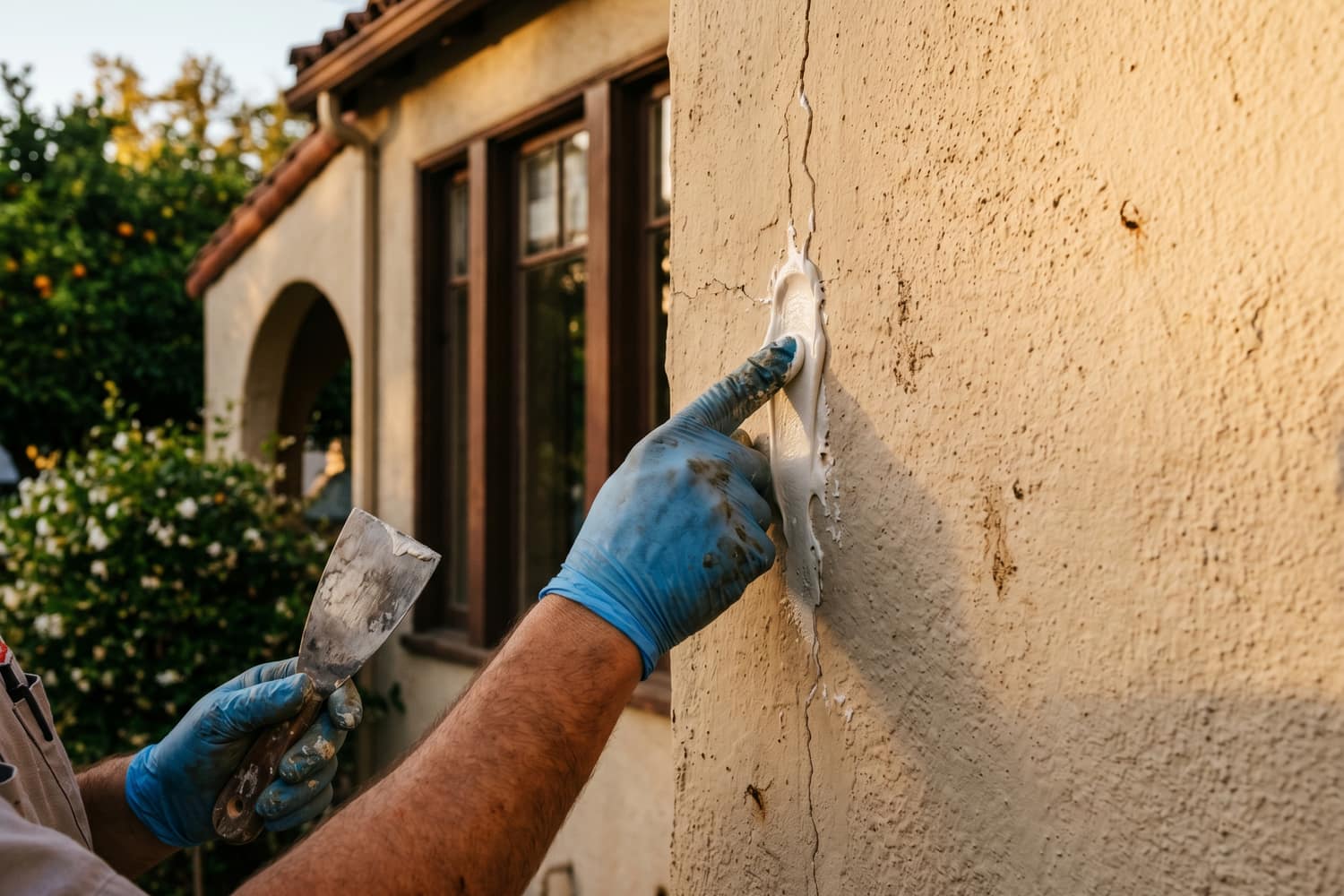
Surface preparation. Filling nail holes, sanding rough patches, repairing small cracks, caulking gaps, and priming stains — this is where professional experience produces dramatically better results than DIY attempts. Surface prep typically accounts for 30–40% of total project labor time.
Masking and protection. Professional masking with painters' tape along trim, baseboards, door frames, and ceiling lines produces the crisp, clean edges that separate professional work from amateur results. Crews also lay canvas drop cloths on floors and plastic sheeting over furniture.
Wall cleaning. Kitchens and bathrooms accumulate grease and soap residue that prevents paint adhesion. Painters use appropriate cleaning solutions for different surfaces — harsh household chemicals can actually create adhesion problems.
Hardware removal. Switch plates, outlet covers, vent covers, door hardware — painters remove these systematically and reinstall them after painting. They keep hardware organized so nothing goes missing.
Sacramento & Placer County
Need a real quote on your project?
Free, no-obligation walkthrough. Itemized estimate within 24 hours. Most jobs scheduled within 2–3 weeks.
Room-by-Room Preparation Quick Reference
Different rooms require different preparation approaches. Here's a quick-reference breakdown.
Kitchen
Kitchens demand the most preparation because of appliances, daily-use items, and the reality that most families need kitchen access during multi-day projects.
- Clear all countertop appliances (coffee maker, toaster, blender, knife block)
- Remove everything from the top of the refrigerator
- Take down dish towels, pot holders, and items from cabinet knobs
- If cabinets are being painted, empty them completely
Coordinate kitchen access with your painting crew. Most professional teams can complete kitchen walls in a concentrated timeframe so you regain access quickly. Plan simple meals or takeout for kitchen painting days.
Bathroom
Bathrooms are small and fast to paint, but moisture and personal items require attention.
- Remove all toiletries, soap dispensers, and countertop items
- Take down shower curtains and bath mats
- Remove over-the-toilet storage and wall shelving
- Flag any mold or mildew spots for treatment before painting
If you have multiple bathrooms, designate one as the crew bathroom and another as your personal bathroom during the project. Bathroom painting costs in Sacramento are modest enough that most homeowners paint all bathrooms at once — meaning preparation for all of them at the same time.
Bedroom
Bedrooms are straightforward but contain the most personal items.
- Remove items from nightstands, dresser tops, and closet shelves (if closet interiors are being painted)
- Take down wall decor and curtains
- Remove bedding to lighten furniture for the crew to move
- Secure medications, jewelry, and personal documents
If you'll continue sleeping in a bedroom being painted, coordinate timing with your crew. Most bedrooms complete in a single day, so you may only need to sleep elsewhere one night.
Home Office
Home offices tie with kitchens for preparation complexity due to electronics and sensitive documents.
- Photograph all cable connections before disconnecting equipment
- Back up computer data as a precaution
- Secure financial records, client files, and confidential documents
- Remove items from desk surfaces and bookshelves
Plan to work from a coffee shop, coworking space, or another room for the day your office is painted. Most home offices take one day to complete.
Sacramento-Specific Preparation Considerations
Sacramento's climate and housing stock create preparation considerations that homeowners in other regions don't face.
Heat and Ventilation Planning
Sacramento summers regularly push past 100°F. If your painting project falls between June and September, discuss ventilation strategy with your contractor. Painters need windows open for air circulation, but opening windows during a Sacramento heat wave works against your air conditioning.
The best approach: schedule summer projects in rooms with north-facing windows first (less direct heat), and plan painting during morning hours when temperatures are more moderate. Timing your project right applies to interiors too — spring and fall are Sacramento's ideal painting seasons.
Older Sacramento Homes
Homes built before 1978 may contain lead-based paint. If your home falls in this category, preparation includes additional safety steps. Your painting contractor should discuss lead paint testing and EPA RRP (Renovation, Repair, and Painting) compliance requirements before work begins. Don't attempt to sand or scrape old paint yourself — disturbing lead paint creates hazardous dust.
Many Sacramento neighborhoods — Land Park, Curtis Park, East Sacramento, Midtown — feature pre-1978 housing stock. If you're in one of these areas, ask your contractor specifically about lead paint protocols during your estimate.
HOA Coordination
Sacramento has one of the highest concentrations of HOA-managed communities in California. If your home is in an HOA community, check whether your CC&Rs require approval for interior painting in shared-wall units (condos and townhomes). While standalone home interiors typically don't require HOA approval, some associations have rules about contractor access, parking, work hours, and noise. Review our HOA painting guidelines to understand what your association might require.
What to Do During the Painting Process
Once painters start working, your primary job is staying out of the way while remaining accessible for questions and decisions.
Daily Routine Adjustments
- Temperature: Keep thermostat at 70°F. Avoid dramatic changes during drying periods.
- Ventilation: Leave windows cracked in painted rooms for 24–48 hours after completion.
- Access: Keep pathways clear. Painters move between rooms frequently.
- Noise: Expect moderate noise from ladders, scraping, and occasional power tools. If you work from home, noise-canceling headphones help.
When to Speak Up Immediately
Don't wait until the final walkthrough to raise concerns. Contact your lead painter right away if you notice:
- A color that looks wrong on the wall (lighting can change perception — verify with the paint can label)
- Areas being painted that shouldn't be (or vice versa)
- Damage to furniture, flooring, or fixtures
- Workers in rooms you designated as off-limits
- Quality issues like drips, missed spots, or uneven coverage
Addressing issues while the crew is on-site with equipment available is far easier than scheduling a callback.
Post-Project Preparation: After Painters Leave
Your preparation responsibilities don't end when the last brush stroke dries. A few final steps protect your investment.
- Complete a thorough final walkthrough with the lead painter. Check every painted surface in natural light and artificial light. Look for missed spots, thin coverage, drips, and uneven lines.
- Replace your HVAC filter within a week of project completion. Painting generates fine particles that your filter has been capturing.
- Wait before rehanging items. Give paint at least 48 hours to fully cure before hanging heavy items. Use proper wall anchors to avoid damaging fresh paint.
- Keep touch-up paint. Ask your painting crew for leftover paint or purchase a small amount of each color. Store cans in a temperature-controlled space (not the garage in Sacramento summers). Label each can with the room and surface it matches.
- Leave a review. If your painting crew delivered quality work, an honest online review helps other Sacramento homeowners find reliable contractors. If there are issues, contact the company directly first — reputable contractors stand behind their work.
Understanding how much interior painting costs and what's included helps you evaluate the final result against expectations.
Frequently Asked Questions
Do I need to move all furniture before painters arrive?
No. Professional painters move large furniture — sofas, beds, dressers, tables — away from walls and cover everything with protective sheeting. Your job is removing small personal items, valuables, and fragile objects. If you have extremely heavy pieces like a piano, slate pool table, or oversized armoire, mention these during your estimate so the crew can plan accordingly.
How far in advance should I start preparing for interior painting?
Start one week before your scheduled painting date. Use the first few days for planning tasks — finalizing colors, arranging pet care, confirming logistics. The day before, handle physical preparation: moving small items, securing valuables, clearing pathways. This timeline prevents last-minute rushing and ensures everything is ready when the crew arrives.
Should I wash my walls before painters come?
No. Leave wall cleaning to the professionals. Using the wrong cleaning products can leave residues that prevent paint adhesion, and excessive water can damage drywall. Professional painters use appropriate methods for different surfaces — degreasing solutions for kitchens, mildew treatments for bathrooms, and light dusting for standard living areas.
Can I stay home while painters work?
Yes. Most homeowners stay home during interior painting projects with minimal disruption. Designate a room not being painted as your base, and let the crew work without constant interruption. If you work from home, noise-canceling headphones and a closed door provide enough separation for calls and focused work. The paint odor from modern low-VOC products is minimal with proper ventilation.
What if I haven't picked my paint colors yet and painters are coming soon?
Contact your painting contractor immediately. Color selection delays are the number one cause of project schedule disruptions. Most Sacramento paint stores (Sherwin-Williams, Benjamin Moore retailers, Dunn-Edwards) offer same-day color consultations. If you're stuck between options, our guide to the best paint colors for 2026 can help narrow your choices.
How do I prepare if my home was built before 1978?
Homes built before 1978 may contain lead-based paint. Do not sand, scrape, or disturb existing paint surfaces yourself. Discuss lead paint testing requirements with your painting contractor before the project begins. EPA-certified contractors follow RRP (Renovation, Repair, and Painting) protocols that protect your family during the project.
Get Your Sacramento Home Ready for a Professional Transformation
Preparing your home before painters arrive doesn't need to be stressful. Focus on the tasks that matter — clearing personal items, securing valuables, finalizing colors, and creating clear access — and leave the heavy lifting to the professionals.
ProFlow Painting handles everything from careful furniture moving and careful surface preparation to expert application and thorough cleanup. Our Sacramento-based crews arrive on time, communicate clearly, and deliver the kind of results that make the preparation effort worth every minute.
Ready to schedule your interior painting project? Call ProFlow Painting at (916) 740-7249 for a free estimate. We'll walk you through exactly what to expect, answer your preparation questions, and provide a clear, detailed quote for your project. Sacramento homeowners trust ProFlow Painting for professional results and a smooth, stress-free experience from prep day to final walkthrough.
Free quote · Sacramento & Placer County
Ready for a real estimate, not a guess?
Tell us about your project and we'll walk it with you in person. Itemized quote within 24 hours, no high-pressure sales.