
Wait at least 24 hours before sleeping in a room painted with standard latex paint, and 48 to 72 hours if oil-based paint was used. Zero-VOC and low-VOC paints cut that timeline dramatically -- most are safe for sleeping within 2 to 4 hours of the final coat. The difference comes down to volatile organic compounds (VOCs), the chemical solvents that create paint fumes and continue releasing into your air long after the paint looks dry.
This is one of the most common questions Sacramento homeowners ask when planning an interior painting project. The answer depends on three factors: the type of paint, the ventilation in the room, and who will be sleeping there. This guide covers the specific wait times for every paint type, explains what VOC off-gassing actually means, and walks through practical steps to get back into your freshly painted bedroom as quickly and safely as possible.
Sleep-Safe Wait Times by Paint Type
Not all paints are created equal when it comes to off-gassing. The type of paint your contractor uses is the single biggest factor in how long after painting you can sleep in a room.

Zero-VOC Paint: 2-4 Hours
Zero-VOC paints contain fewer than 5 grams per liter of volatile organic compounds. They produce virtually no odor and are the safest option for bedrooms, nurseries, and any room where fast re-occupancy matters. Brands like Sherwin-Williams Harmony and Benjamin Moore Natura -- the two lines we use most in Sacramento -- are GREENGUARD Gold certified and safe for sleeping within 2 to 4 hours of the final coat.
Zero-VOC doesn't mean zero chemicals. Tinting bases and colorants can add trace VOCs. But at these concentrations, the health impact is negligible for most people. For a deeper comparison of zero-VOC vs low-VOC products, see our eco-friendly painting guide.
Low-VOC Paint: 24 Hours
Low-VOC paints contain fewer than 50 grams per liter of VOCs for interior formulas. They produce a mild odor during application that dissipates within a day. Most low-VOC products sold in California already meet the state's strict CARB limits, so if you're buying paint in Sacramento, even "standard" options are lower in VOCs than what's sold in most other states.
Wait a full 24 hours with adequate ventilation before sleeping in a room painted with low-VOC paint. If the room still smells like paint at the 24-hour mark, extend the wait.
Standard Latex Paint: 24-48 Hours
Conventional water-based latex paint typically contains 50 to 200 grams per liter of VOCs, though California-sold products cap at 50 g/L for flat coatings and 100 g/L for non-flat finishes under CARB regulations. The paint will be dry to the touch in 1 to 2 hours, but "dry" and "safe" are two different things.
Off-gassing continues well beyond the drying phase. Plan on 24 to 48 hours before sleeping in the room. If ventilation is limited -- for example, a bathroom with a single small window -- lean toward the 48-hour mark. Our paint sheen guide covers which finishes work best in each room and how sheen affects drying behavior.
Oil-Based Paint: 48-72 Hours
Oil-based paints contain the highest VOC levels, typically 300 to 500 grams per liter. They're less common for interior walls in Sacramento (most contractors have shifted to water-based products), but still used for trim, doors, cabinets, and specialty applications where maximum hardness and adhesion matter.
Wait at least 48 to 72 hours before sleeping in a room where oil-based paint was applied. The strong solvent odor is a reliable indicator -- if you can smell it, the paint is still off-gassing at levels that can cause headaches, nausea, and respiratory irritation.
| Paint Type | VOC Content | Minimum Wait | Recommended Wait | Best For |
|---|---|---|---|---|
| Zero-VOC | Under 5 g/L | 2 hours | 4 hours | Bedrooms, nurseries, fast turnaround |
| Low-VOC | Under 50 g/L | 12 hours | 24 hours | Most interior rooms |
| Standard Latex | 50-100 g/L | 24 hours | 48 hours | General interior projects |
| Oil-Based | 300-500 g/L | 48 hours | 72+ hours | Trim, cabinets, doors |
What Is VOC Off-Gassing and Why Does It Matter?
VOCs are carbon-based chemical compounds that evaporate at room temperature. In paint, they serve as solvents that keep the product liquid in the can and help it flow smoothly onto walls. As the paint dries and cures, these compounds release into the air -- a process called off-gassing.
The EPA's Total Exposure Assessment Methodology (TEAM) study found that indoor VOC concentrations are consistently 2 to 5 times higher than outdoor levels, and during painting activities, VOC concentrations can spike to 1,000 times outdoor levels (EPA). That spike is why the first 72 hours after painting are the most critical window for air quality.
The Off-Gassing Timeline
Paint doesn't release all its VOCs at once. The off-gassing curve follows a predictable pattern, with the heaviest release happening in the first three days.

Here's the general breakdown:
- First 72 hours: Approximately 50% of total VOCs release during this window. This is when fumes are strongest and health risks are highest.
- Days 4-14: Another 30% of VOCs off-gas as the paint transitions from dry to fully cured. Odor drops noticeably but low-level emissions continue.
- Weeks 3-12: The remaining 15% of significant VOC release occurs during the full curing phase. Levels are low but detectable with air quality monitors.
- 3+ months: Trace amounts (around 5%) may continue off-gassing at very low levels. For standard latex, most measurable emissions stop within 3-6 months.
The takeaway: "dry to the touch" happens in hours, but the complete curing process takes weeks to months. Your nose stops detecting the fumes long before they stop releasing. This is why the EPA recommends maintaining ventilation for a minimum of 72 hours after painting, regardless of paint type.
Health Effects of Paint Fume Exposure
Short-term exposure to paint fumes can cause:
- Headaches and dizziness
- Eye, nose, and throat irritation
- Nausea
- Difficulty breathing or shortness of breath
- Worsened asthma symptoms
The severity depends on VOC concentration, exposure duration, room ventilation, and individual sensitivity. Most healthy adults can tolerate brief exposure to low-VOC paint fumes without lasting effects. But sleeping in a room with active off-gassing means 6 to 8 hours of continuous exposure in an enclosed space -- a fundamentally different risk profile than walking through a freshly painted room.
How to Speed Up VOC Clearance
You can't make paint cure faster, but you can dramatically reduce the time VOCs linger in your breathing air. Ventilation is the key variable.

5 Ventilation Strategies Ranked by Effectiveness
-
HEPA air purifier + open windows: The fastest option. A HEPA air purifier with an activated carbon filter captures particulates and absorbs VOCs, while open windows provide fresh air exchange. This combination can reduce safe sleep time to 4-8 hours for zero-VOC and low-VOC paints.
-
Box fan in the window + cross ventilation: Place a box fan facing outward in one window and open a second window on the opposite side of the room. This creates active cross-ventilation that pushes contaminated air out while pulling fresh air in. Effective timeline: 12-16 hours.
-
Cross ventilation (no fan): Open windows on opposite sides of the room or on opposite ends of the house to create a natural airflow path. Timeline: 18-24 hours.
-
Single window open: Better than nothing, but limited airflow means VOCs dissipate slowly. Timeline: 36-48 hours.
-
No ventilation: The worst case. A sealed room with no air exchange can hold elevated VOC levels for 72 hours or longer. Never close a freshly painted room and leave it sealed -- this traps fumes and extends the off-gassing period.
Additional Steps That Help
- Run the HVAC fan continuously (set the fan to "on" rather than "auto") for the first 24-48 hours. This circulates air through the return filter, which captures some particulates. If you have a high-MERV filter (MERV 13+), this provides meaningful filtration.
- Use baking soda or activated charcoal bowls placed around the room. These absorb some VOCs and odors. Not a substitute for ventilation, but a useful supplement.
- Paint in the morning. Sacramento's warm, dry climate is actually ideal for paint curing -- daytime temps in the 70s-90s accelerate evaporation. Painting early in the day gives you a full day of ventilation before bedtime.
- Avoid painting on high-humidity days. Humidity above 50% slows drying and extends off-gassing. Sacramento's low summer humidity (typically 20-40%) is a natural advantage.
For a full breakdown of how Sacramento's climate affects painting schedules, see our guide on how long it takes to paint a room.
Special Considerations by Room Type
Different rooms present different challenges for post-painting air quality. The room's size, ventilation options, and how it's used all affect how long you should wait.
Bedrooms
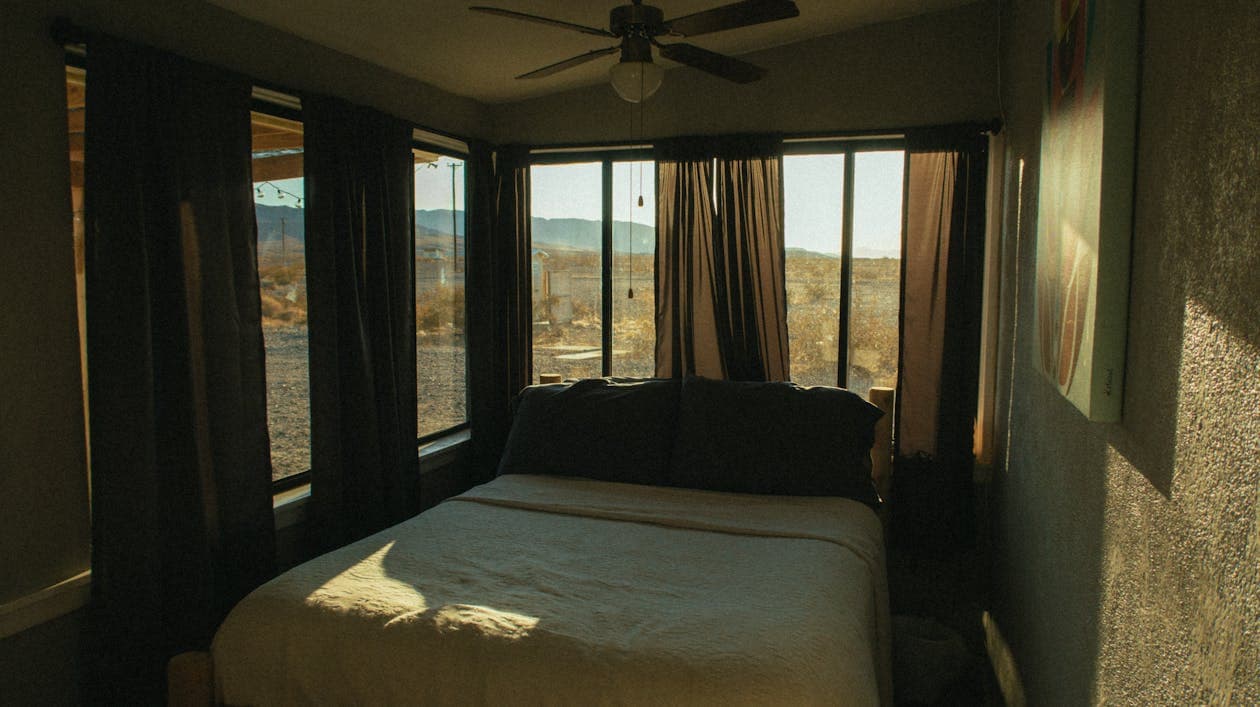
Bedrooms are the most critical room for paint fume safety because you spend 6-8 hours there in a sleep state, breathing deeply, with the door often closed. For master bedrooms with good window access, standard wait times apply. For smaller bedrooms with limited ventilation (guest rooms, home offices converted from closets), add 50% to the recommended wait time.
If you're painting multiple bedrooms at once, plan your sleeping arrangements accordingly. One strategy: paint bedrooms on a rotating schedule so at least one bedroom is always available. Our interior painting preparation guide covers logistics for multi-room projects.
Nurseries and Children's Rooms
Children breathe faster than adults and are more susceptible to VOC exposure. For nurseries, the only responsible recommendation is zero-VOC paint with a minimum 24-hour wait time, even though the product itself is typically safe within 2-4 hours.
The American Academy of Pediatrics recommends completing nursery painting at least one month before the baby's arrival to allow for complete curing. If that timeline isn't possible, zero-VOC paint with 72 hours of ventilation before the first night is the minimum standard.
Bathrooms
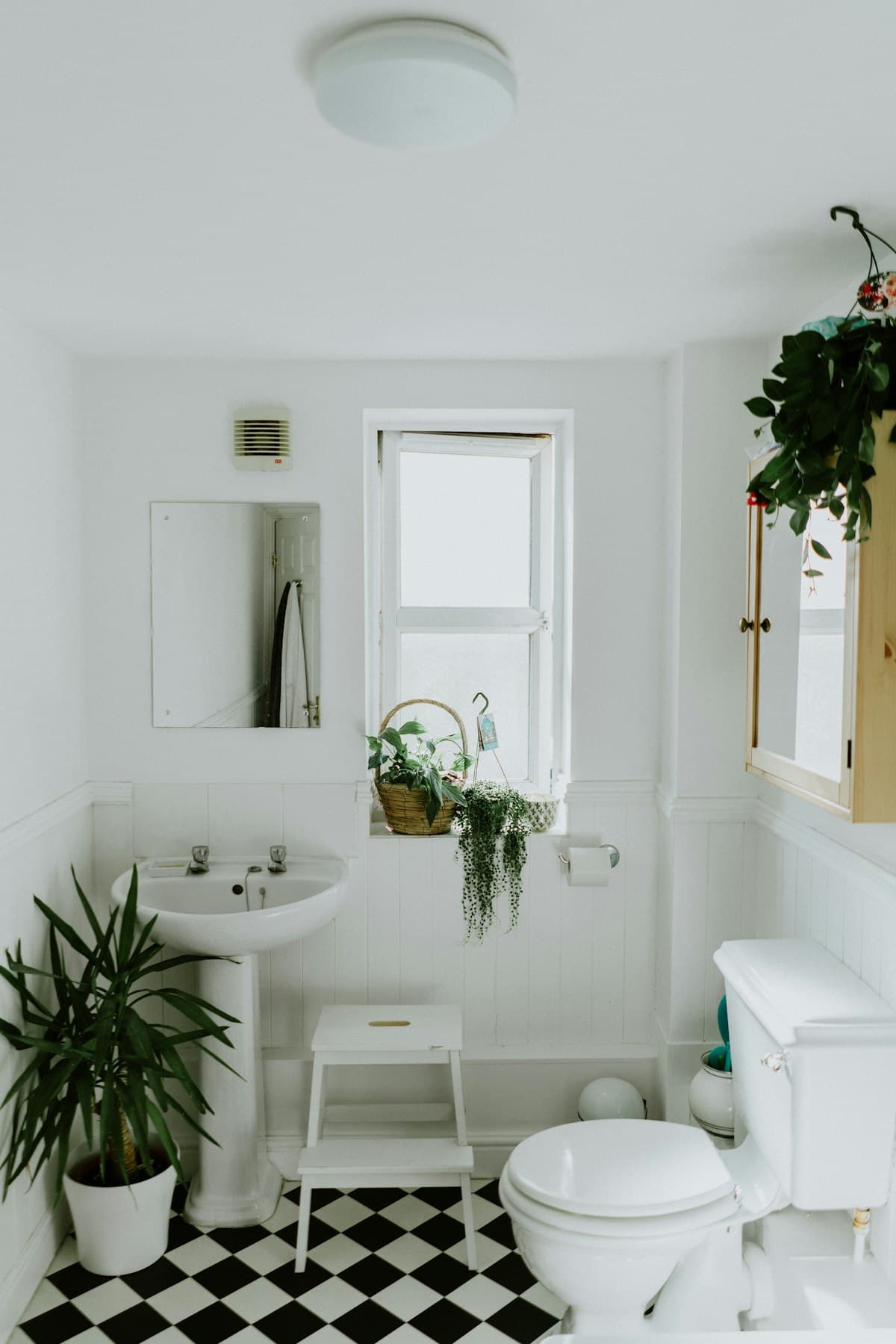
Bathrooms are small, often poorly ventilated, and trap moisture -- all factors that slow VOC dissipation. If your bathroom has an exhaust fan, run it continuously for at least 48 hours after painting. If it doesn't, keep the door open and place a small fan pointing outward.
The bathroom painting cost guide covers why moisture-resistant paint formulas (typically semi-gloss or satin finishes) are standard for bathrooms and how they affect drying time.
Kitchens
Kitchens share the moisture and ventilation challenges of bathrooms, with the added factor of food preparation. Avoid cooking in a freshly painted kitchen for at least 24 hours -- heat from the stove accelerates VOC release, and you don't want those compounds settling on food surfaces. Run the range hood exhaust on high during the ventilation period. Check our kitchen painting cost breakdown for more on kitchen-specific paint choices.
Who Should Wait Longer?
Standard wait times are designed for healthy adults. Several groups should extend the recommended waiting period by at least 50% or use zero-VOC paint exclusively.
- Pregnant women: VOC exposure during pregnancy has been linked to developmental concerns. The safest approach is zero-VOC paint with 48+ hours of ventilation, or sleeping elsewhere until the room is fully aired out.
- Infants and toddlers: Their developing respiratory systems are more vulnerable. Zero-VOC paint only, with 24-72 hours of ventilation before re-occupancy.
- Asthma and allergy sufferers: Sacramento County has higher asthma rates than the national average. Paint fumes are a known trigger. Use zero-VOC paint and wait until no odor is detectable.
- Elderly residents: Reduced lung capacity and immune function increase sensitivity. Standard wait times apply with zero-VOC or low-VOC paint; add 24 hours for conventional products.
- Pet owners: Dogs and cats have higher respiratory rates and are closer to the ground where heavier VOCs settle. Keep pets out of freshly painted rooms for at least 24 hours, longer for oil-based products.
Sacramento & Placer County
Need a real quote on your project?
Free, no-obligation walkthrough. Itemized estimate within 24 hours. Most jobs scheduled within 2–3 weeks.
Zero-VOC vs Standard Paint: Is the Upgrade Worth It?
For bedrooms specifically, the case for zero-VOC paint is compelling. The per-gallon premium is $5-$15 over standard products from the same manufacturer, and on a typical bedroom that uses 2 gallons, the material cost increase is $10-$30.
What you get for that premium:
- Sleep in the room the same day (2-4 hours vs 24-48 hours)
- Virtually no odor during or after painting
- No need for elaborate ventilation setups
- Safe for children, pregnant women, and chemically sensitive individuals
- Longer product lifespan (7-10 years vs 3-5 years)
Our comparison of Sherwin-Williams vs Benjamin Moore covers the specific zero-VOC lines from each brand, including coverage rates, color options, and pricing.
The real cost of conventional paint isn't the gallon price -- it's the disruption. One to two nights displaced from your bedroom, the inconvenience of running fans for days, and the lingering concern about air quality add up to more hassle than the $20-$30 in savings justify. For Sacramento homeowners painting bedrooms, nurseries, or any room where someone sleeps, zero-VOC is the straightforward choice.
Sacramento-Specific Factors
Sacramento's climate affects paint drying and VOC behavior in ways that work both for and against you.
Advantages:
- Low humidity (20-40% in summer) accelerates paint drying and VOC evaporation
- Warm temperatures speed up the curing process
- Long dry seasons mean you can keep windows open for days without weather concerns
- California's CARB regulations ensure that even "standard" paints sold here are lower in VOCs than products sold in most states
Challenges:
- Summer temperatures above 100 degrees mean windows stay shut during peak heat, limiting ventilation
- Wildfire smoke events (typically August-October) can make opening windows counterproductive -- you're trading paint fumes for particulate-laden outdoor air
- Air conditioning recirculates indoor air, which can trap VOCs if the system's filter isn't adequate
The best time to paint bedrooms in Sacramento is spring (March-May) or fall (October-November), when temperatures are mild enough to keep windows open around the clock. If you're painting in summer, plan to run the air conditioning with a MERV 13+ filter and supplement with a portable HEPA air purifier.
For more on how Sacramento's climate intersects with paint longevity, our guide on how long exterior paint lasts covers the environmental factors that affect both interior and exterior coatings.
Step-by-Step: Painting a Bedroom for Same-Day Sleep
If you need to sleep in the room the same night it's painted, here's how to make that work safely.
- Use zero-VOC paint. This is non-negotiable for same-day re-occupancy. Sherwin-Williams Harmony or Benjamin Moore Natura are both excellent choices.
- Paint in the morning. Start as early as possible to maximize ventilation time before bedtime.
- Open all windows. Create cross-ventilation with windows on opposite walls. If the room has only one window, open the door and create airflow from another room.
- Run a box fan facing outward in one window to actively push fumes out.
- Apply two coats with proper dry time. Most zero-VOC paints are ready for a second coat in 2 hours. Don't rush this -- applying a second coat too early traps moisture and extends off-gassing.
- Deploy a HEPA air purifier with an activated carbon filter in the room during the drying period.
- Wait a minimum of 4 hours after the final coat before sleeping in the room.
- Keep one window cracked overnight to maintain fresh air exchange while you sleep.
This protocol works for healthy adults using certified zero-VOC products. For children's rooms, add a full day of ventilation even with zero-VOC paint.
FAQ
How long after painting is it safe to sleep in a room?
For standard latex paint, wait at least 24 to 48 hours. Low-VOC paint requires a minimum of 24 hours. Zero-VOC paint is typically safe for sleeping within 2 to 4 hours of the final coat. Oil-based paint requires the longest wait -- 48 to 72 hours minimum. These timelines assume adequate ventilation. If the room still smells like paint, extend the wait regardless of how much time has passed.
Are paint fumes dangerous to sleep in?
Sleeping in a room with active paint off-gassing exposes you to volatile organic compounds for 6 to 8 continuous hours. Short-term effects include headaches, dizziness, nausea, and respiratory irritation. The EPA has found that indoor VOC levels can reach 1,000 times outdoor levels during and immediately after painting. While a single night of mild exposure is unlikely to cause lasting harm for healthy adults, repeated or prolonged exposure carries greater risk. Children, pregnant women, and people with respiratory conditions face higher sensitivity.
How long do paint fumes last?
The strongest paint fumes dissipate within 48 to 72 hours. However, VOC off-gassing continues at declining levels for weeks to months after painting. Approximately 50% of total VOCs release in the first 3 days, another 30% over days 4 to 14, and the remainder over the following weeks and months. Latex paint off-gassing typically becomes negligible within 3 to 6 months. Ventilation, temperature, and humidity all affect the timeline.
Can you sleep in a room painted with zero-VOC paint?
Zero-VOC paint is the safest option for sleeping rooms. These products contain fewer than 5 grams per liter of volatile organic compounds and produce virtually no odor. Most zero-VOC paints are safe for re-occupancy within 2 to 4 hours of the final coat. However, "zero-VOC" refers to the base paint -- tinting can add trace VOCs, so some minimal off-gassing still occurs. For nurseries and children's rooms, waiting a full 24 hours even with zero-VOC paint provides an extra safety margin.
How can you tell if paint fumes are gone?
Your nose is not a reliable indicator. Many VOCs are odorless, and olfactory fatigue sets you up to stop detecting fumes within 15 to 20 minutes of continuous exposure. The most reliable method is using a VOC monitor (available for $50-$150 on Amazon). Acceptable indoor VOC levels are below 0.5 mg per cubic meter. If you don't have a monitor, follow the recommended wait times for your paint type and maintain ventilation for at least 72 hours. If you leave the room and return and can still detect any paint odor, the room is not fully clear.
Is it safe for babies to sleep in a freshly painted nursery?
Babies should not sleep in a freshly painted room until all detectable odor is gone, regardless of paint type. For nurseries, use zero-VOC paint exclusively and wait a minimum of 24 to 72 hours with continuous ventilation. The American Academy of Pediatrics recommends completing nursery painting at least one month before the baby's arrival. If that's not feasible, maintain active ventilation with a HEPA air purifier for 3 to 5 days after painting before allowing the baby to sleep in the room.
Get a Healthier Paint Job in Sacramento
The fastest way to get back into your bedroom after painting is to start with the right products. At ProFlow Painting, we stock zero-VOC lines from Sherwin-Williams and Benjamin Moore on every truck. We specify exact products by name and VOC content on every estimate -- no guesswork about what's going on your walls.
For Sacramento homeowners planning a bedroom repaint, nursery refresh, or whole-house interior project, we'll walk you through product options and help you choose the fastest, safest path to sleeping in your freshly painted space.
Request a free painting estimate or call (916) 740-7249. We serve Sacramento, Roseville, Folsom, Elk Grove, and surrounding communities throughout the greater Sacramento metro.
Free quote · Sacramento & Placer County
Ready for a real estimate, not a guess?
Tell us about your project and we'll walk it with you in person. Itemized quote within 24 hours, no high-pressure sales.