

Painting after wildfire smoke damage in Sacramento or the Bay Area starts with a stain-blocking primer, not paint. Soot, creosote, and volatile organic residues from wildfire smoke bond chemically to wall surfaces, and standard latex topcoats will let both the stains and the odors bleed right back through within weeks. The correct sequence is clean with TSP, seal with a shellac-based or oil-based primer like Zinsser BIN or Cover Stain, then apply two coats of quality interior paint.
After the 2024 Park Fire (429,000+ acres, the fourth-largest fire in California history), the 2022 Mosquito Fire in Placer and El Dorado counties, and the 2021 Caldor Fire that pushed smoke plumes into Sacramento for three straight weeks, tens of thousands of NorCal homeowners are dealing with smoke-damaged drywall, trim, and ceilings that never burned. This guide covers the soot chemistry that defeats ordinary paint, the primer systems that actually work, the TSP cleaning protocol professional remediators follow, and how to document everything for a California SB 872 insurance claim.
Why Wildfire Smoke Damage Is Different From Normal Dirt
Wildfire smoke is not just ash. It is a chemical cocktail that bonds to interior surfaces in ways ordinary dust and dirt never do, which is why painting over it without proper prep almost always fails.
The Three Components of Smoke Residue
When a wildland fire burns vegetation, structures, and vehicles, the smoke plume carries three distinct damage agents into homes through HVAC systems, window gaps, and attic vents:
- Soot (carbon particulates): Microscopic black carbon particles ranging from 2.5 microns (PM2.5) down to ultrafine sub-100 nanometer. The U.S. EPA classifies wildfire PM2.5 as significantly more cytotoxic than urban PM2.5 because of its combustion chemistry (EPA Smoke Ready Toolbox). Soot embeds into porous paint, drywall paper, textured ceilings, and grout.
- Creosote and tars: Condensed combustion byproducts that leave sticky brown-yellow films on walls, especially near ceilings where warm smoke rises and cools. These are the stains that bleed through ordinary primer.
- Odor-bearing VOCs: Volatile organic compounds including aldehydes, PAHs, and aromatic hydrocarbons that adsorb into drywall, insulation, and soft materials. These release slowly for months, which is why a "clean-looking" wall can still smell like a campfire in July.
A 2023 study in Science Advances confirmed that wildfire-source VOCs re-volatilize from indoor surfaces for weeks to months after exposure, meaning odor sealing is a real requirement, not a nice-to-have.
Why Standard Paint Fails Over Smoke
Latex topcoats are permeable by design. Acrylic binders allow moisture vapor to pass through so walls can breathe. That same permeability lets soot tannins and creosote oils migrate up through water-based paint within 2–8 weeks, producing the yellow-brown bleed-through that ruins a fresh repaint. A 2022 Sherwin-Williams technical bulletin specifically warns that self-priming "paint-and-primer-in-one" products cannot block water-soluble tar and soot stains without a dedicated stain-blocking primer underneath.
The fix is a solvent-based barrier coat that stops migration before topcoat ever goes on.
Recent California Fires That Caused Interior Smoke Damage
Sacramento and Bay Area homes have absorbed smoke from every major NorCal fire since 2018. Understanding which event affected your home helps with both the remediation scope and your insurance timeline.
- Park Fire (July 2024): 429,603 acres, started in Butte County, sent dense smoke across Chico, Redding, and into Sacramento Valley for nearly a month. AQI readings above 200 were recorded in Sacramento multiple days (CAL FIRE incident record).
- Mosquito Fire (September 2022): 76,788 acres in Placer and El Dorado counties. Smoke pooled in the American River canyon and pushed into Roseville, Auburn, and east Sacramento for 18 days.
- Caldor Fire (August–October 2021): 221,835 acres, crossed the Sierra crest and directly threatened South Lake Tahoe. Sacramento recorded 25 days of unhealthy air between the Caldor and Dixie fires that summer.
- CZU Lightning Complex (2020) and Glass Fire (2020): Pushed smoke into the San Francisco Peninsula, Marin, Sonoma, and Napa counties for extended periods, with San Francisco seeing the infamous orange sky on September 9, 2020.
If smoke visibly infiltrated your home during any of these events (yellow film on ceilings, soot lines above picture frames, persistent campfire odor), the remediation and repaint protocol in this guide applies.
The Four Levels of Smoke Damage (And What Each One Needs)
Not every smoke-exposed home needs full remediation. The Institute of Inspection, Cleaning and Restoration Certification (IICRC) S520 standard classifies smoke damage into tiers that correspond to different repair approaches.
Level 1: Light Smoke Film
- Thin yellow or gray film on ceilings and upper walls, detectable by running a white cloth across the surface
- Mild odor noticeable on warm days or when HVAC cycles
- No visible soot deposits on horizontal surfaces
- Cause: typically 3–10 days of AQI 150+ exposure with windows cracked or HVAC running without MERV 13+ filtration
What it needs: TSP wash, 1 coat shellac or oil-based primer on affected surfaces, 2 coats quality latex.
Level 2: Moderate Soot
- Visible soot lines above baseboards, behind pictures (ghost lines), and around return-air vents
- Clear campfire or smoldering odor, worse in closets and closed rooms
- Yellow-brown staining on white ceilings and trim
- Cause: heavier smoke event, compromised HVAC filtration, or prolonged exposure (2+ weeks of poor AQI)
What it needs: HEPA vacuum loose soot, TSP wash twice, full-surface shellac-based primer (ceilings, walls, trim, closets), 2 coats paint. Expect 1.5x the labor of a normal repaint.
Level 3: Heavy Soot and Odor
- Dark soot deposits on walls, ceilings, furniture, window sills
- Strong odor that doesn't dissipate after ventilation
- Soft materials (drapes, carpet pad, upholstery) saturated with smoke
- Cause: direct exposure within 1–2 miles of active fire, windows left open, or structure fire nearby
What it needs: IICRC S520-certified remediation contractor first (thermal fogging, ozone or hydroxyl treatment, HEPA filtration), then the full primer-and-paint protocol. Typically requires removing and replacing insulation in affected rooms.
Level 4: Structural Smoke Damage
- Soot penetrating drywall surface, charred drywall paper visible when damp
- Odor that returns within 48 hours of remediation attempts
- HVAC system fouled with soot internally
What it needs: Drywall removal and replacement, HVAC cleaning or replacement, insulation removal, full vapor-barrier priming of framing before new drywall. This crosses from painting into full restoration work.
For context on pricing baselines before the damage multiplier, see our house painting cost in Sacramento guide and interior painting cost breakdown.
Step-by-Step: How to Paint Over Wildfire Smoke Damage
This is the exact protocol ProFlow Painting uses on Sacramento and Bay Area post-smoke jobs. Follow every step. Skipping prep is the number one reason repaints fail within 60 days.
Step 1: HEPA Vacuum Loose Soot
Before any water touches the wall, use a HEPA-filtered vacuum (MERV 17+ equivalent) with a soft brush attachment to remove surface soot. Work from top down. Do not use a standard shop vac because standard filters release PM2.5 back into the air. The EPA specifically recommends HEPA for post-wildfire cleanup (EPA Post-Fire Cleanup Guide).
Step 2: TSP Cleaning Protocol
Trisodium phosphate (TSP) is the industry standard for cutting smoke residue because it is alkaline enough to saponify the oily tar films that defeat regular detergent. In California, some retailers stock only "phosphate-free TSP substitute" — acceptable for Level 1 damage but noticeably weaker on Level 2+. True TSP is available at professional paint stores.
Mixing and application:
- Mix 1/2 cup TSP per 1 gallon warm water in a bucket
- Wear nitrile gloves, safety goggles, and an N95 respirator minimum
- Wipe walls with a sponge, working in 3-foot sections from bottom up to prevent streak runs
- Rinse each section with clean water and a second sponge
- Let surfaces dry completely (24 hours minimum in humid weather, 8–12 in Sacramento summer)
For heavy soot, a second TSP pass after drying is often necessary. The wash water will run black on the first pass and tan on the second; if it still runs dark, wash a third time before priming.
Step 3: Apply Stain-Blocking Primer
This is where most DIY smoke repaints go wrong. The primer choice determines whether stains and odors are sealed or just painted over.
Best options for wildfire smoke damage:
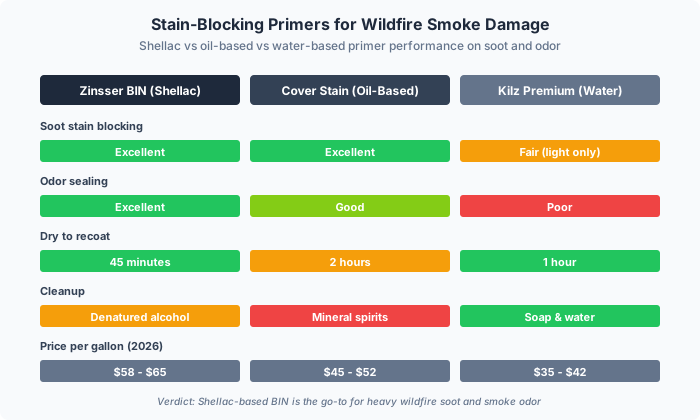
- Zinsser B-I-N Shellac-Based Primer — The gold standard for smoke odor and stain blocking. Shellac forms a non-porous barrier that stops both creosote bleed and VOC off-gassing. Dries to recoat in 45 minutes. Cleanup requires denatured alcohol. Per Rust-Oleum's technical data sheet, B-I-N is rated for "fire and smoke damage, including severe water, nicotine, and smoke stains."
- Zinsser Cover Stain (Oil-Based) — Solid second choice, especially for larger jobs where shellac cost is prohibitive. Good stain blocking, moderate odor sealing, 2-hour recoat time. Higher VOC than shellac, requires mineral spirits cleanup.
- Kilz Max Water-Based Odor & Stain Sealer — Adequate for Level 1 light smoke only. Water cleanup is convenient but odor-blocking performance drops significantly on heavy soot per independent testing.
Apply one full coat to every smoke-exposed surface — including ceilings, inside closets, and trim. Spot-priming only the visible stains is insufficient because the odor sources are everywhere smoke touched.
Step 4: Topcoat With Quality Latex
Once primer is fully cured (24 hours for full chemical cure, even if recoatable in 45 minutes), apply two coats of quality interior latex. Sherwin-Williams ProClassic, Benjamin Moore Aura, or Sherwin-Williams Duration Home are all acceptable choices. Use eggshell or satin sheen on walls and semi-gloss on trim for easier future cleaning if another fire hits.
Do not skip the second coat. One coat over shellac looks covered but will show uneven sheen in raking light within weeks.
For broader interior prep best practices, see our interior painting preparation guide.
When to Call a Remediation Professional Instead of Painting Over
Paint cannot fix everything. Some smoke damage scenarios require an IICRC S520-certified remediation contractor before any painter touches the walls, and painting first will void both the remediation warranty and often the insurance claim.
Call a remediation pro if any of the following are true:
- Soot is visibly embedded in drywall texture (not just on the surface)
- Odor returns within 48 hours after full ventilation and primer application on a test wall
- Insulation or attic spaces show soot contamination
- HVAC ducts carry smoke odor when the blower runs
- Soft materials (carpet, drapes, upholstery) were not removed or cleaned after the event
- You had windows open during active fire conditions within 3 miles
Certified remediation uses thermal fogging, ozone treatment, or hydroxyl generators to neutralize odor at the molecular level — something no primer can fully replicate on heavy damage. Expect $3–$8 per square foot for remediation before paint, on top of the repaint cost.
Sacramento & Placer County
Need a real quote on your project?
Free, no-obligation walkthrough. Itemized estimate within 24 hours. Most jobs scheduled within 2–3 weeks.
Documenting Smoke Damage for a California Insurance Claim
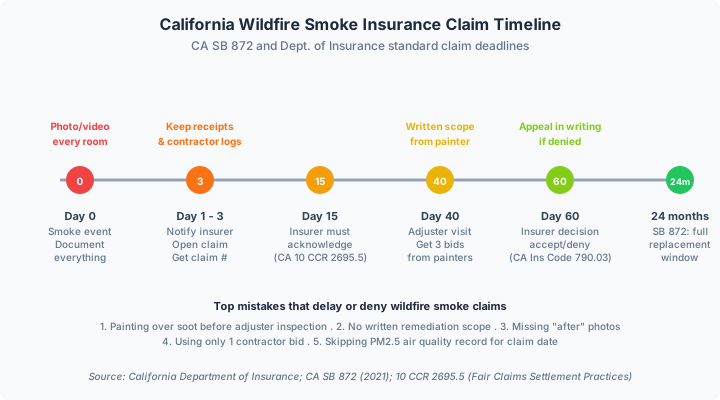
California's Senate Bill 872 (2021) extended the window for rebuilding or replacing damaged property after a declared disaster to 24 months, and SB 824 requires insurers to honor smoke damage claims even in non-burn zones. Proper documentation determines whether your claim gets paid or fought.
Documentation Checklist Before You Clean Anything
The biggest mistake Sacramento homeowners make is cleaning soot off walls before the adjuster inspects. Without before-photos, claims get denied or reduced. Document in this order:
- Date-stamped photos of every affected room, including close-ups of soot lines, yellowed ceilings, and discolored trim
- Video walkthrough narrating odor intensity and visible damage room by room
- Air quality records for your ZIP code on the dates of the fire (download from AirNow.gov) — establishes causation
- Inventory list of soft goods, textiles, and electronics affected
- Written estimates from at least three contractors for both remediation and repainting
The California Department of Insurance requires insurers to acknowledge a claim within 15 days and make a coverage decision within 40 days of receiving proof of loss (10 CCR 2695.5). Keep every communication in writing.
What Painting Contractors Document for You
When ProFlow Painting estimates a smoke-damage repaint, we provide the insurer-ready documentation package most adjusters request:
- Line-item scope breakdown (cleaning, primer, topcoat, labor) by room
- Primer product data sheets showing stain-blocking certification
- Before and after photos with date stamps
- Square footage measurements verified against the adjuster's estimate
- Signed completion certificate for claim closeout
This is the same documentation standard we use for commercial painting maintenance projects and apartment complex turnovers, where insurance or regulatory sign-off is required.
Health and Safety During Smoke-Damage Painting
TSP, shellac primer, and oil-based primers all carry real exposure risks. California Prop 65 warning labels apply to most of these products for a reason.
- Wear an N95 respirator minimum, P100 for heavy soot cleaning. Wildfire PM2.5 and re-volatilized VOCs are not hypothetical risks.
- Ventilate aggressively. Open windows and run fans for the entire cleaning and priming process. Shellac primer is 40%+ denatured alcohol by weight and is flammable.
- Clear the house of pets and children during TSP and solvent primer work. TSP is caustic; shellac fumes irritate airways.
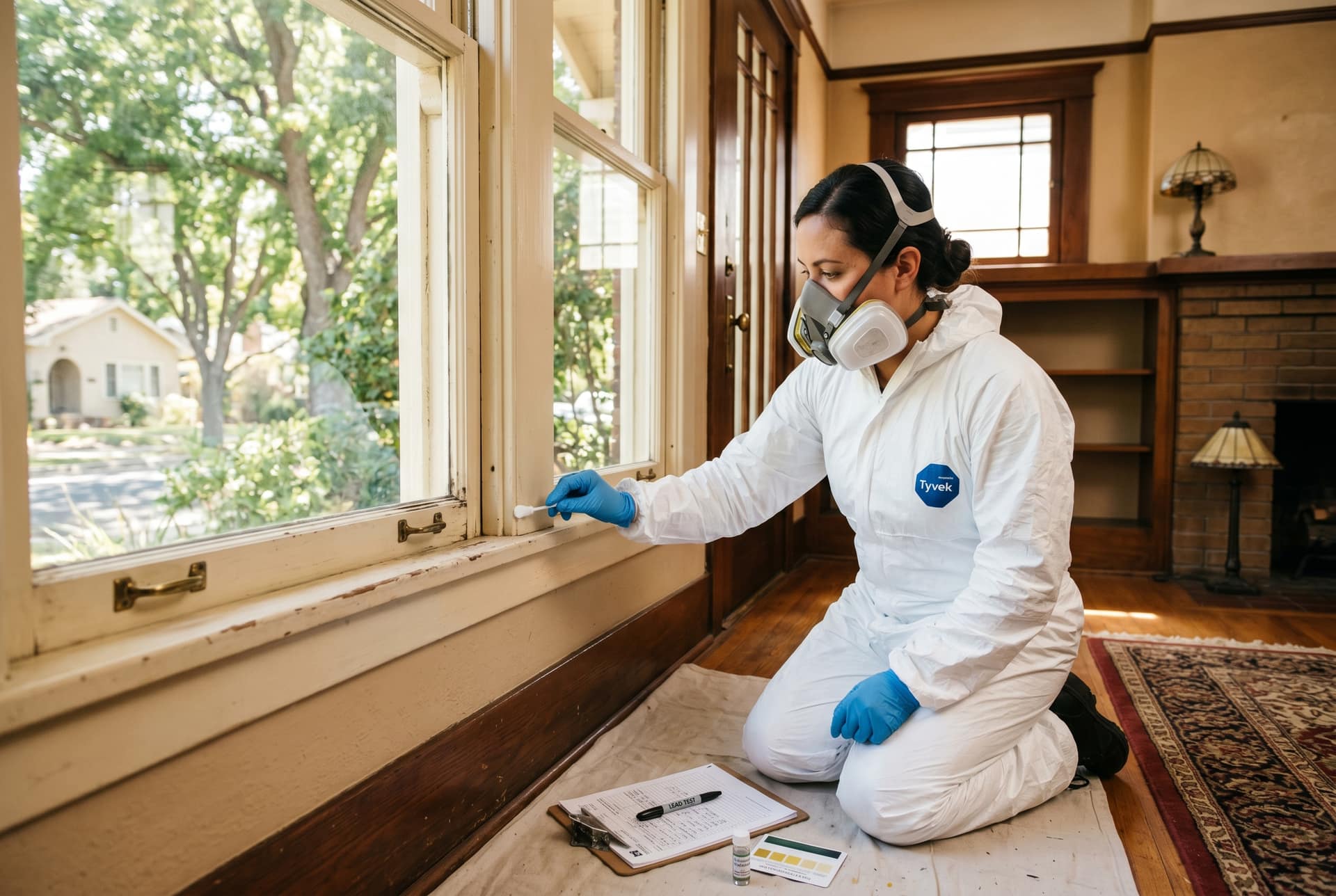
- Test for lead paint on homes built before 1978 before sanding any surface. See our Sacramento lead paint testing guide for the CDPH-approved testing process. Smoke damage does not exempt you from RRP rule compliance.
If anyone in the household has asthma, COPD, or cardiovascular disease, hire a professional. Per the California Air Resources Board, wildfire smoke re-exposure during cleanup causes the same acute health impacts as the original event.
DIY vs Professional Smoke-Damage Repaint
Smoke-damage painting is one of the few jobs where DIY economics break down fast.
| Factor | DIY | Professional |
|---|---|---|
| Labor hours (1,500 sq ft home) | 45–70 hours | 3–5 crew days |
| Material cost (primer + paint) | $900–$1,400 | Included in $4,500–$11,000 bid |
| Insurance claim support | Homeowner handles | Contractor provides documentation |
| Shellac primer application | Steep learning curve | Sprayed for even seal |
| Odor return risk | High if any step skipped | Warrantied |
| Lead paint compliance (pre-1978) | Homeowner liable | EPA RRP-certified contractor |
The full cost comparison logic mirrors our DIY vs professional painting in Sacramento breakdown. For Level 1 (light film) damage in a single room, DIY is reasonable if you already own a sprayer and respirator. For Level 2+ damage across a whole house, professionals save time and reduce the risk of a failed repaint.
Ready for a smoke-damage assessment? Request a free estimate and we'll walk through your home, document the damage to insurance standards, and scope the remediation and repaint as a single coordinated project.
Frequently Asked Questions
Can you paint over wildfire smoke damage without priming first?
No. Latex paint is permeable and will let soot stains and smoke odors bleed through within 2–8 weeks. Even premium self-priming paints cannot block water-soluble creosote and tar residues. A shellac-based primer (Zinsser BIN) or oil-based stain blocker (Cover Stain) is required between cleaning and topcoat. Skipping primer is the single most common reason smoke-damage repaints fail.
What primer is best for wildfire smoke damage in Sacramento?
Zinsser B-I-N shellac-based primer is the top choice for heavy smoke damage because shellac forms a non-porous barrier that blocks both stains and VOC odors. For lighter Level 1 damage or larger-scale jobs where shellac cost is prohibitive, Zinsser Cover Stain (oil-based) is a solid alternative. Water-based primers like Kilz Premium are acceptable only for very light smoke film and are not recommended for Bay Area or Sacramento homes that saw multiple days of AQI 200+ exposure.
How much does it cost to repaint after smoke damage in Sacramento?
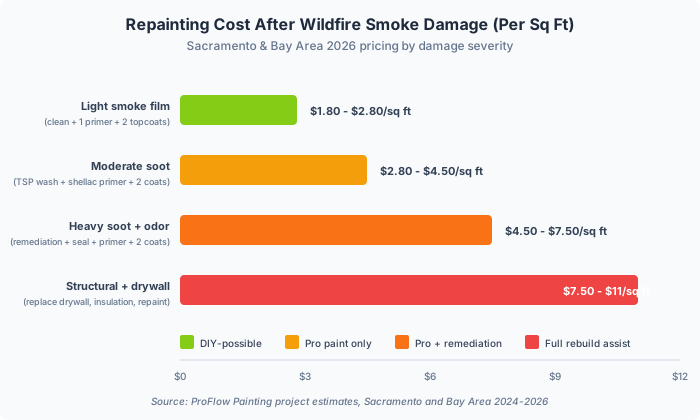
Smoke-damage repainting in Sacramento ranges from $1.80 per square foot for Level 1 light film (clean plus paint) to $7.50+ per square foot for Level 3 heavy soot requiring remediation and full primer. A 1,500 sq ft interior with Level 2 damage typically runs $4,200–$6,800 including TSP cleaning, shellac primer, and two topcoats. Level 4 structural damage crossing into drywall replacement can exceed $11 per square foot.
Does California SB 872 cover smoke damage repainting?
Yes. California SB 872 (2021) extended the insurance replacement period to 24 months after a declared disaster and applies to smoke damage, not just structural fire damage. SB 824 also prohibits insurers from denying coverage for smoke damage solely because a home was outside the burn perimeter. You must file within your policy's notification window (usually 30–60 days) but have up to 24 months to complete the repair under SB 872.
How do I know if smoke damage is too severe to just paint over?
If soot is embedded in the drywall surface itself (visible when you dampen a spot), if odor returns within 48 hours after a test wall is primed, or if HVAC ducts smell smoky when the blower runs, you need IICRC S520-certified remediation before painting. Attempting to paint over Level 3 or Level 4 damage will produce a short-term cosmetic fix that fails within months and often voids insurance claims.
Is TSP still legal in California for smoke cleanup?
Yes. True trisodium phosphate is legal for professional and homeowner use in California for surface preparation, including wildfire smoke cleanup. Residential sale of high-phosphate detergents is restricted, which is why big-box stores often stock "phosphate-free TSP substitute" instead. Professional paint stores (Sherwin-Williams, Kelly-Moore, Dunn-Edwards) carry true TSP for this exact use case.
How long after wildfire smoke can I paint?
Wait until HEPA vacuuming and TSP cleaning are complete and walls are fully dry — typically 24–48 hours after the final wash. Do not wait for "odor to dissipate naturally" before priming; VOCs will continue off-gassing from drywall for months and the shellac primer is what stops that. If you're documenting for insurance, take before-photos first, then begin cleaning within 7 days of the adjuster's initial inspection to avoid secondary damage claims.
Final Word for Sacramento and Bay Area Homeowners
Wildfire smoke damage is not a cosmetic problem. It is a chemical contamination problem that requires the right sequence of cleaning, sealing, and topcoating to actually fix. Sacramento and Bay Area homeowners who try to paint over soot with a standard primer-and-paint-in-one product almost always end up repainting twice — once wrong, once right. Start with the correct primer system, document for your insurance claim before cleaning, and match the remediation level to the actual damage tier.
If you're unsure what tier your damage falls into, have a contractor walk through before you touch anything. A 20-minute inspection can save a $10,000 claim.
Free quote · Sacramento & Placer County
Ready for a real estimate, not a guess?
Tell us about your project and we'll walk it with you in person. Itemized quote within 24 hours, no high-pressure sales.