
Apartment complex painting in Sacramento runs $500 to $3,000 per unit for interior turnover repaints and $1.75 to $4.50 per square foot for exterior work on multi-family buildings. Those numbers vary based on unit size, surface condition, and whether you're doing a quick touch-up between tenants or a full building repaint.
With Sacramento's multifamily vacancy rate at 7.0% as of Q1 2026 and average asking rents holding at $1,787 per unit (Kidder Mathews, 2026), every day a unit sits empty costs real money. A well-timed paint job directly impacts how fast you fill vacancies and what rent you can command. This guide breaks down exact costs per unit, exterior pricing for full building repaints, scheduling strategies that minimize vacancy, and the turnover painting process that keeps your portfolio looking sharp without blowing your maintenance budget.
How Much Does Apartment Complex Painting Cost Per Unit?
Interior painting for a single apartment unit in Sacramento ranges from $500 for a basic studio touch-up to $3,000 or more for a full repaint of a large three-bedroom unit with trim and ceilings included. The national average cost to paint an apartment falls between $1,000 and $3,500 for a full interior repaint, but Sacramento rates typically come in slightly below major metro averages.
Here is what property managers in Sacramento can expect to pay per unit in 2026:
| Unit Type | Touch-Up Only | Full Repaint (Walls) | Full Repaint + Trim & Ceilings |
|---|---|---|---|
| Studio / 1-bed (450-650 sq ft) | $250 – $500 | $500 – $1,200 | $900 – $1,800 |
| 2-bed (750-1,000 sq ft) | $350 – $700 | $900 – $1,800 | $1,400 – $2,600 |
| 3-bed (1,100-1,400 sq ft) | $500 – $1,000 | $1,400 – $2,500 | $2,000 – $3,500 |
These prices assume walls in reasonable condition with standard two-coat coverage using commercial-grade latex paint. Units with heavy smoke damage, unauthorized tenant paint colors, or extensive drywall repairs will run higher.
Volume Pricing for Multi-Unit Projects
The per-unit cost drops when you paint multiple units at once. Painting 10 or more units in a single project typically saves 10-20% per unit compared to one-off turnovers. The savings come from reduced mobilization costs, bulk paint purchasing, and more efficient crew scheduling.
Here is how volume affects per-unit pricing for a typical two-bedroom apartment:
- 1-2 units: $1,200-$1,800 per unit (standard rate)
- 5-9 units: $1,000-$1,500 per unit (10-15% discount)
- 10-20 units: $900-$1,400 per unit (15-20% discount)
- 20+ units: $800-$1,300 per unit (negotiated contract rate)
Property managers with portfolios of 10 or more doors should negotiate annual painting contracts rather than pricing each turnover individually. The predictable pricing makes budgeting easier and guarantees crew availability during peak turnover season.
Citation capsule: Apartment turnover painting in Sacramento costs $500-$3,000+ per unit depending on size and scope, with volume discounts of 10-20% available for multi-unit projects. National apartment painting averages fall between $1,000 and $3,500 per unit for full interior repaints.
How Much Does Exterior Apartment Building Painting Cost?
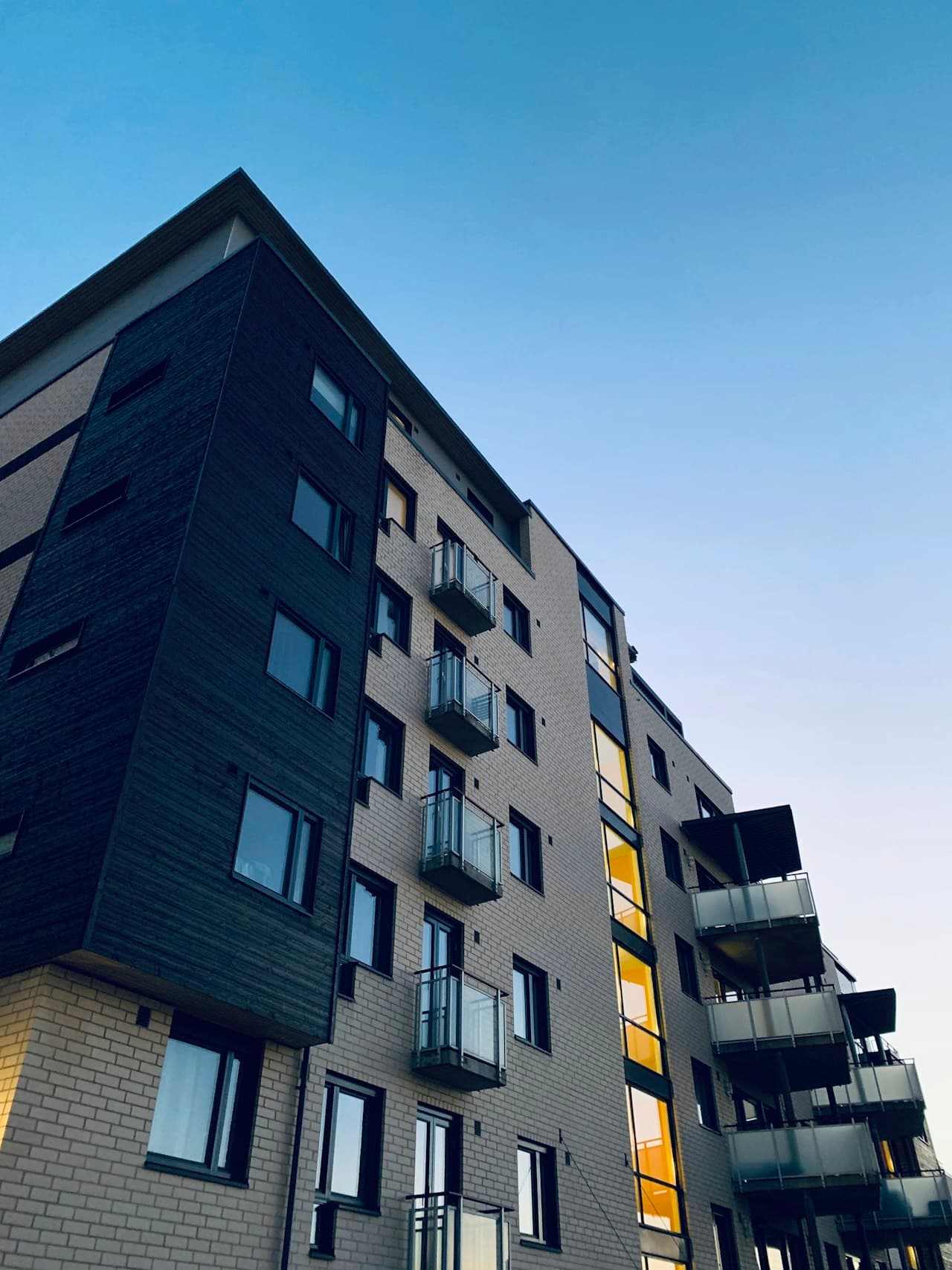
Exterior painting for multi-family apartment buildings in Sacramento runs $1.75 to $4.50 per square foot of paintable surface, with total project costs ranging from $15,000 for a small 8-unit building to $100,000 or more for a large complex with 50+ units. The national average for commercial exterior painting sits around $12,000 for a standard building, but apartment complexes are typically larger than the average commercial property (HomeAdvisor, 2025).
Exterior Cost by Building Size
| Building / Complex Size | Paintable Sq Ft (est.) | Cost Range | Avg Cost Per Unit |
|---|---|---|---|
| Small (4-8 units) | 3,000-6,000 | $8,000 – $22,000 | $1,500 – $2,750 |
| Medium (12-24 units) | 8,000-18,000 | $20,000 – $55,000 | $1,200 – $2,300 |
| Large (30-60 units) | 20,000-45,000 | $45,000 – $120,000 | $1,000 – $2,000 |
| Campus-style (60+ units) | 40,000+ | $80,000+ | $800 – $1,800 |
Larger complexes get better per-unit pricing because setup costs — scaffolding, lifts, pressure washing, and mobilization — spread across more units. A 60-unit complex might cost twice as much total as a 20-unit building, but the per-unit cost is significantly lower.
What Pushes Exterior Costs Higher
Several factors specific to apartment complexes drive exterior painting costs above the standard commercial rate:
- Building height — Third-story units and above require scaffolding or lift equipment, adding $0.50-$1.50 per square foot
- Stucco repair — Sacramento apartment buildings are predominantly stucco, and deferred crack repair before painting adds 15-25% to the project cost. See our stucco painting guide for details
- Balcony and stairwell complexity — Open-air corridors, balcony railings, and exterior stairwells add surface area and slow production
- Color changes — Rebranding an older complex with new colors requires more coats and primer, pushing costs up 20-30%
- Tenant coordination — Crews working around occupied units move slower than on vacant buildings
Sacramento's dry climate is an advantage for exterior painting. With 260+ sunny days per year, weather delays are rare between April and October. That predictability helps keep exterior apartment complex projects on budget and on schedule.
Citation capsule: Multi-family exterior painting runs $1.75-$4.50/sq ft depending on building complexity (Painters Inc., 2026). The national average for commercial exterior painting is approximately $12,000 per project (HomeAdvisor, 2025), though apartment complexes typically exceed this due to larger total surface area.
How Often Should Apartment Buildings Be Repainted?
Apartment building exteriors need repainting every 5 to 8 years in Sacramento's climate, while interior common areas should be refreshed every 3 to 5 years. Individual unit interiors get repainted at turnover or every 3 to 5 years for long-term tenants, whichever comes first.
The industry-standard commercial repaint cycle is every 5 to 7 years (CertaPro, 2025), but apartment complexes have unique demands that can shorten or extend that timeline.
Recommended Repaint Schedule for Apartment Properties
| Area | Repaint Frequency | Key Driver |
|---|---|---|
| Unit interiors | At turnover or every 3-5 years | Tenant wear, lease cycle |
| Hallways and corridors | Every 2-3 years | Foot traffic, scuffing |
| Lobbies and leasing offices | Every 2-3 years | First impression, high touch |
| Stairwells | Every 3-4 years | Moderate traffic, handrail marks |
| Exterior — stucco | Every 5-8 years | UV exposure, cracking |
| Exterior — wood trim | Every 3-5 years | Moisture, sun damage |
| Parking structures | Every 5-7 years | Vehicle exhaust, abrasion |
| Pool area fences and walls | Every 3-5 years | Chlorine, moisture, sun |
For a deeper dive into building-specific timelines, see our commercial painting maintenance schedule. That guide covers offices, retail, warehouses, and restaurants alongside multi-family properties.
Sacramento Climate Factors
Sacramento's Central Valley climate is hard on exterior paint. Summer temperatures regularly exceed 100 degrees, and south- and west-facing walls take intense UV punishment from May through September. That UV exposure causes fading and chalking faster than in coastal California markets.
On the other hand, Sacramento gets minimal rain — about 18 inches annually — which means less moisture-related paint failure. The main enemies here are sun and heat, not water. Choosing exterior paint rated for California's UV conditions and applying elastomeric coatings on stucco can extend your repaint cycle by 2-3 years.
Citation capsule: The standard commercial building repaint cycle is 5-7 years (CertaPro, 2025). Apartment complex interiors — especially lobbies, hallways, and leasing offices — need refreshing every 2-3 years due to heavy foot traffic, while unit interiors should be repainted at tenant turnover or every 3-5 years.
How to Schedule Painting for Multi-Family Properties
Scheduling painting across a multi-family property requires coordination that single-family work does not. You are working around occupied units, shared spaces, parking access, and tenant schedules. Getting the sequencing right saves money and minimizes tenant complaints.
Interior Turnover Painting: The 48-Hour Rule
The most expensive delay in apartment management is vacancy time. At Sacramento's average rent of $1,787 per month (Kidder Mathews, 2026), every vacant day costs roughly $60. A two-week painting delay costs you $840 in lost rent — often more than the cost difference between a fast, professional crew and a slow, cheap one.
The 48-hour rule: schedule your painting contractor to begin within 48 hours of tenant move-out. That means contacting your painter during the notice period, not after the keys are returned.
Here is the optimal turnover sequence for painting:
- Day of move-out: Walk-through inspection, document wall conditions, identify scope
- Day 1-2 after move-out: Drywall repair, patching, caulking, surface prep
- Day 2-4: Painting (primer + two coats for full repaint, or touch-up as needed)
- Day 4-5: Flooring, appliance work, and other trades
- Day 5-6: Final cleaning
- Day 6-7: Photography and listing goes live
This seven-day turnover target is achievable for most standard units. Larger units or those with heavy damage may take 10-14 days.
Exterior Building Repaints: Seasonal Planning
Exterior apartment complex painting in Sacramento should be scheduled between March and November, with spring (March-May) and fall (September-November) being the sweet spots. Sacramento summers work too, but temperatures above 100 degrees can slow production and affect paint adhesion on certain products.
Plan exterior projects 2-3 months in advance. Key scheduling considerations:
- Notify tenants 30+ days ahead about exterior painting schedules, parking restrictions, and balcony access limitations
- Coordinate with HOA boards if applicable — many Sacramento apartment communities have HOA painting guidelines that dictate colors and approval timelines
- Phase large complexes — break a 40-unit complex into sections so crews finish one building while residents in the next building prepare
- Plan around lease renewals — avoid major exterior work during peak leasing season (June-August) if possible, since scaffolding and paint crews don't make great first impressions for prospects touring units
What Is the Cheapest Way to Paint Apartment Turnovers?
Cutting corners on apartment painting usually costs more than it saves — but there are legitimate ways to reduce per-unit costs without sacrificing quality. The key is standardization, not shortcuts.
1. Standardize Your Paint Color
Pick one wall color and one trim color for your entire portfolio. Sherwin-Williams "Agreeable Gray" (SW 7029) and Benjamin Moore "White Dove" (OC-17) are both strong choices that photograph well, appeal to a broad tenant base, and allow easy touch-ups between tenants.
When every unit uses the same color, you eliminate:
- Color-matching trips to the paint store
- Partial cans of 15 different colors sitting in storage
- Extra coats needed to cover tenant-applied accent walls
- Decision fatigue during turnover crunch time
Our best paint colors guide covers trending neutrals that work across rental and owner-occupied properties.
2. Use Touch-Up Instead of Full Repaints When Possible
Not every turnover needs a full repaint. If the previous tenant was clean and the unit was painted within the last 2-3 years, a targeted touch-up on scuffs, nail holes, and high-contact areas can cut costs by 50-70%.
The decision framework:
- Touch-up only ($250-$700): Minor scuffs, small nail holes, one or two walls need attention
- Partial repaint ($500-$1,200): One or two rooms need full coverage, rest is touch-up
- Full repaint ($900-$2,500): Smoke damage, dark colors, 3+ years since last paint, or heavy wear throughout
3. Invest in Durable Paint Products
Contractor-grade paint at $25 per gallon seems cheaper than premium at $50 per gallon. But contractor-grade paint needs repainting 30-50% sooner and requires more coats to cover properly. On a per-year basis, premium paint often costs less.
| Paint Tier | Cost/Gallon | Coats Needed | Repaint Cycle | 10-Year Material Cost (per unit) |
|---|---|---|---|---|
| Builder-grade | $20-$30 | 2-3 | Every 2-3 years | $400-$750 |
| Contractor-grade | $30-$45 | 2 | Every 3-4 years | $300-$550 |
| Premium (ProMar 200, Regal) | $45-$75 | 1-2 | Every 4-5 years | $250-$450 |
The best paint for rental properties balances durability, coverage, and scrubbability. Our Sherwin-Williams vs Benjamin Moore comparison breaks down which products perform best for high-turnover rental use.
4. Bundle Units and Negotiate Volume Rates
If you manage 10+ units and expect 3-5 turnovers per year, negotiate an annual painting contract with your contractor. Annual contracts typically include:
- Fixed per-unit pricing regardless of season
- Priority scheduling (48-hour start guarantee)
- Standardized scope of work for consistency
- Volume discounts on paint materials
This is the approach Sacramento property management companies use to keep rental property painting costs predictable across their portfolios.
Citation capsule: Standardizing paint colors and products across a rental portfolio can reduce per-unit turnover painting costs by 15-25%. Premium paint products like Sherwin-Williams ProMar 200 ($35-$45/gallon) and Benjamin Moore Regal Select ($60-$75/gallon) cost more upfront but extend repaint cycles to 4-5 years compared to 2-3 years for builder-grade products.
Sacramento & Placer County
Need a real quote on your painting project?
Free, no-obligation walkthrough. Itemized estimate within 24 hours. Most jobs scheduled within 2–3 weeks.
What Should Property Managers Know About Apartment Painting?
Managing painting across a multi-family portfolio is different from handling a single rental house. The scale introduces coordination challenges, compliance requirements, and budgeting decisions that single-unit landlords never face.
Common Area Painting vs. Unit Painting
Common areas — lobbies, hallways, stairwells, laundry rooms, and leasing offices — serve a different function than unit interiors. Common areas create first impressions for prospective tenants and set the tone for resident satisfaction. Unit interiors need to be clean and neutral for move-in.
Budget these separately:
- Common areas: Plan annual touch-ups plus full repaints every 2-3 years as part of your operating budget
- Unit interiors: Budget per-turnover, typically $1.00-$2.50 per square foot depending on condition
- Exterior: Capital expenditure, planned every 5-8 years
Lead Paint Compliance for Pre-1978 Buildings
Sacramento has a significant inventory of older apartment buildings, particularly in neighborhoods like Midtown, East Sacramento, and Oak Park. Any building constructed before 1978 may contain lead-based paint, and federal law (EPA RRP Rule) requires that all painting and renovation work be performed by EPA-certified renovation firms using lead-safe work practices.
Failing to comply with lead paint regulations can result in fines up to $37,500 per day per violation. Our lead paint testing guide covers the testing process, compliance requirements, and what Sacramento property managers need to know.
Tenant Communication
Notify residents in writing at least 72 hours before any painting work that affects their unit, hallway, or parking area. For exterior painting projects that restrict balcony access or require moving vehicles, give 2-4 weeks notice. Clear communication reduces complaints, maintenance requests, and potential lease disputes.
Insurance and Access Requirements
Many Sacramento apartment complexes require painting contractors to carry:
- General liability insurance ($1M minimum, $2M aggregate)
- Workers' compensation coverage
- Additional insured endorsement naming the property owner or management company
Verify these before any crew sets foot on property. A contractor injury on your property without proper coverage becomes your liability.
How Does Apartment Complex Painting Affect Vacancy and NOI?
Fresh paint is one of the highest-ROI maintenance investments for multi-family properties. The numbers are straightforward.
The Vacancy Cost Equation
Sacramento's multifamily market is dealing with elevated vacancy. The Q1 2026 vacancy rate hit 7.0% — up 60 basis points year-over-year — with concessions being offered on roughly half of all new leases (Kidder Mathews, 2026). In a competitive leasing market, presentation directly impacts days-on-market.
Here is the math on a 20-unit complex with an average rent of $1,787/month:
- Monthly vacancy cost per unit: $1,787
- Daily vacancy cost per unit: ~$60
- If painting reduces vacancy by 10 days across 5 turnovers/year: $3,000 in recovered rent
- Annual painting cost for 5 turnovers: $5,000-$9,000
- Net cost after vacancy recovery: $2,000-$6,000
That $3,000 in recovered rent doesn't include the premium rent that freshly painted units can command. Well-maintained properties also lease 30-45 days faster than those with deferred maintenance, according to CBRE Group research (Integrity Paint, 2025).
Impact on Property Value and Cap Rate
Commercial property values are tied to Net Operating Income (NOI). Every dollar you add to NOI through reduced vacancy or higher rents gets multiplied by your cap rate. At Sacramento's current average multifamily cap rate, a $3,000 annual improvement in NOI translates to roughly $40,000-$50,000 in property value.
Painting alone won't transform a struggling property. But consistent paint maintenance is part of the baseline that separates professionally managed complexes from those that spiral into deferred maintenance and declining rents.
Interior painting recovers 107% of its cost according to the National Association of Realtors, and fresh paint increases commercial property values by 5-10% (Integrity Paint, 2025). For a deeper look at the full commercial painting cost picture, see our complete pricing guide.
How to Choose a Painting Contractor for Apartment Complexes
Not every painting contractor handles multi-family work well. Apartment complex painting requires crews that can manage scale, work around tenants, and deliver consistent results across dozens of units.
What to Prioritize
- Multi-family experience — Ask specifically about apartment complex projects, not just commercial experience. The coordination requirements are different from painting an office building
- Crew capacity — A contractor who sends two painters to a 30-unit complex will take months. You need a company that can field 4-8 painters and scale up for large exterior projects
- Scheduling reliability — For turnovers, the ability to start within 48 hours matters more than being the cheapest bid. Ask about their current lead time
- Standardized process — Consistent prep, consistent products, consistent application. You want every unit to look the same
- Proper licensing and insurance — California CSLB license (C-33 painting classification), general liability, workers' comp, and willingness to provide additional insured endorsements
For a comprehensive checklist on vetting painting contractors, see our guide on how to choose a painting contractor in Sacramento.
Red Flags in Multi-Family Painting Bids
Watch for these warning signs when reviewing bids for apartment complex work:
- No separate line items — A lump-sum bid with no breakdown of labor, materials, prep, and equipment is a red flag
- No mention of surface prep — Prep accounts for 20-30% of a quality paint job. If the bid skips it, the paint won't last
- Unrealistically low per-unit pricing — If one bid is 40% below the others, something is being cut. Usually it's coats, prep, or paint quality
- No insurance documentation — Any contractor who hesitates to provide current insurance certificates should be eliminated immediately
Frequently Asked Questions
How much does it cost to paint an apartment complex in Sacramento?
Interior turnover painting for apartment complexes in Sacramento costs $500-$3,000 per unit depending on size and condition, with two-bedroom units averaging $900-$1,800 for a full walls-only repaint. Exterior painting for multi-family buildings runs $1.75-$4.50 per square foot of paintable surface (Painters Inc., 2026). A medium-sized 20-unit complex might spend $20,000-$55,000 for a full exterior repaint and $1,000-$1,800 per unit for interior turnovers. Volume discounts of 10-20% are common for projects covering 10+ units at once.
How often should apartment buildings be repainted?
Apartment building exteriors need repainting every 5-8 years in Sacramento's climate, with stucco surfaces lasting 5-8 years and wood trim needing attention every 3-5 years. Interior common areas like hallways and lobbies should be refreshed every 2-3 years due to heavy foot traffic. Individual unit interiors should be repainted at every tenant turnover or every 3-5 years for long-term tenants, whichever comes first. The industry standard for commercial building maintenance schedules is a 5-7 year cycle (CertaPro, 2025).
How to schedule painting for multi-family properties?
Schedule turnover painting within 48 hours of tenant move-out to minimize vacancy time. Contact your painting contractor during the tenant's notice period, not after keys are returned. For exterior projects, plan 2-3 months ahead and schedule between March and November in Sacramento. Phase large complexes into building-by-building sections, notify tenants 2-4 weeks before exterior work begins, and coordinate painting sequencing with other turnover trades — painting should happen after drywall repair but before new flooring installation.
What is the cheapest way to paint apartment turnovers?
Standardize your paint color across all units — this eliminates color-matching delays and allows touch-ups with paint you already have on hand. Use touch-up painting ($250-$700) instead of full repaints when units are in good condition. Invest in premium paint products that cost more per gallon but extend the repaint cycle by 1-2 years. Negotiate annual volume contracts with your painting contractor for fixed per-unit pricing and priority scheduling. Bundle multiple turnovers into single projects for 10-20% volume discounts. See our rental property painting guide for more landlord-specific cost strategies.
Should apartment complexes use the same paint color in every unit?
Yes, for most rental properties this is the best approach. Using one wall color and one trim color across all units eliminates color-matching guesswork, simplifies touch-ups, allows bulk paint purchasing, and ensures every unit photographs consistently for listings. Neutral tones like Sherwin-Williams "Agreeable Gray" or Benjamin Moore "White Dove" appeal to the broadest tenant base. Reserve accent walls and color variety for model units or upgraded units that command premium rents.
Can property managers deduct apartment painting costs on taxes?
Routine turnover repainting is generally deductible as a repair expense on IRS Schedule E in the year the work is performed. Painting only gets capitalized over 27.5 years when it is part of a larger renovation or improvement project. Keep painting invoices separate from renovation work to preserve the immediate deduction. California does not conform to federal bonus depreciation, so any capitalized painting costs follow the standard depreciation schedule on your state return. Consult your CPA for your specific situation.
Next Steps for Your Apartment Complex
Whether you manage 8 units or 80, a clear painting plan keeps your property competitive in Sacramento's multifamily market. Start with the numbers: calculate your per-unit cost at current turnover rates, build a 5-year exterior schedule, and budget common area refreshes into your annual operating expenses.
ProFlow Painting works with Sacramento property managers and apartment owners on both turnover painting and full building repaints. We offer volume pricing, priority scheduling for turnover units, and the crew capacity to handle complexes of any size.
Get a free apartment complex painting estimate. Call ProFlow Painting at (916) 740-7249 or request a quote online to lock in your per-unit pricing and get on our schedule before peak leasing season.
Free quote · Sacramento & Placer County
Ready for a real estimate, not a guess?
Tell us about your project and we'll walk it with you in person. Itemized quote within 24 hours, no high-pressure sales.