
Painting trim and baseboards in Sacramento costs $1 to $4 per linear foot for interior work, with most whole-house projects totaling $500 to $2,500. A typical Sacramento home with 1,500 to 2,000 square feet has 400 to 600 linear feet of baseboard and another 200 to 400 linear feet of window and door casing, putting a full trim repaint in the $900 to $2,500 range depending on condition, height, and detail level.
Those numbers land squarely in line with national averages. The national average for a full trim painting project sits at $1,500, with the range spanning $500 to $3,000+ (Fixr, 2026). Sacramento tracks close to the national median -- labor rates here are moderate compared to the Bay Area, but slightly above rural California markets.
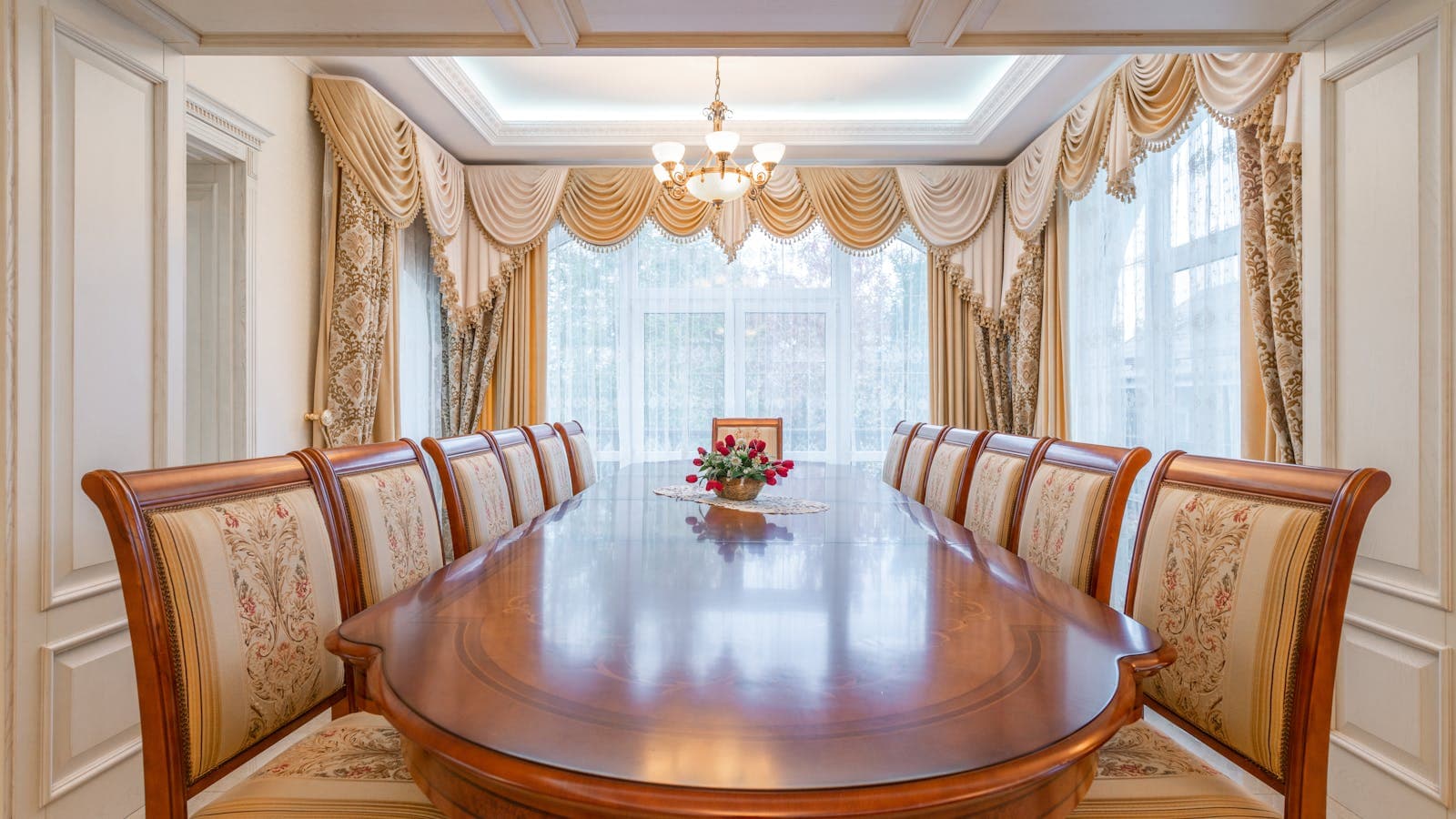
We paint trim on Sacramento homes every week -- from 1960s ranch houses in Land Park with layers of lead paint over original wood trim, to newer Natomas builds where builder-grade trim needs its first real coat of quality semi-gloss. Fresh walls next to yellowed, chipped trim look unfinished. Crisp trim ties the whole room together.
Trim Painting Cost by Type
Not all trim is created equal. Baseboards are straightforward -- long, straight runs at floor level. Crown molding requires working overhead. Door and window casings have corners, edges, and often detailed profiles. Here is what each type costs in Sacramento.
Baseboards
| Home Size | Approx. Linear Feet | Cost Range |
|---|---|---|
| Small (under 1,200 sq ft) | 250–350 LF | $250–$700 |
| Medium (1,200–2,000 sq ft) | 350–550 LF | $500–$1,400 |
| Large (2,000–3,000 sq ft) | 550–800 LF | $800–$2,000 |
Sources: HomeWyse, 2026; Fixr, 2026.
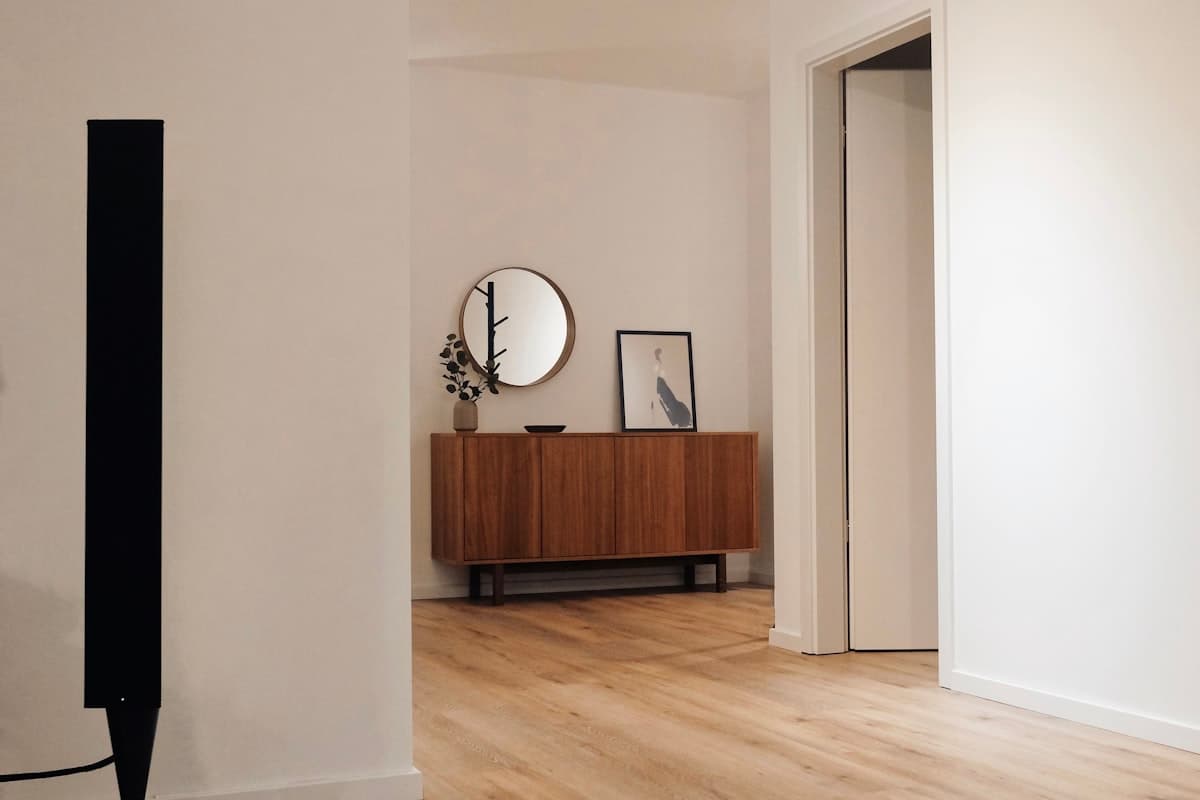
Standard baseboards (3 to 5 inches tall) fall at the lower end of the per-foot range. Taller baseboards -- 6 to 8 inches, common in older Sacramento Victorians and Craftsman homes in Midtown and East Sacramento -- cost 20–25% more because they have more surface area and require more paint per linear foot.
Crown Molding
| Detail Level | Cost Per Linear Foot | Notes |
|---|---|---|
| Simple (flat or cove profile) | $1.50–$3.00 | Fastest to paint, minimal detail |
| Standard (ogee or stepped) | $2.50–$4.00 | Requires brush work in profile grooves |
| Ornate (multi-piece or dentil) | $3.50–$5.00+ | Each detail catches paint differently; slow, precise work |
Crown molding costs more per foot than baseboards because the painter works overhead. Ladder or scaffolding setup adds time, and the angled junction between wall and ceiling demands precision to keep the paint line clean. Sacramento homes with 9- or 10-foot ceilings (common in Elk Grove and Folsom new construction) add $0.50–$1.00 per foot due to the height factor.
Door Frames and Casings
| Component | Cost Each | Notes |
|---|---|---|
| Standard interior door casing (both sides + header) | $50–$100 | 3-piece casing, basic profile |
| Detailed/wide casing | $75–$150 | Craftsman-style or 4+ inch wide casing |
| French doors or double doors | $100–$200 | More linear footage and detail |
A typical Sacramento home has 10 to 15 interior doors. At $50–$100 per door frame, that is $500–$1,500 just for door casings -- a significant chunk of a whole-house trim project.
Window Casings
| Window Type | Cost Each | Notes |
|---|---|---|
| Standard single window | $25–$50 | Simple 3-piece casing |
| Bay or large picture window | $50–$100 | More surface area, complex angles |
| Window sill + apron | $15–$30 additional | Often bundled with casing painting |
Sources: Fixr, 2026; HomeAdvisor, 2025.
Citation capsule: Interior trim painting costs $1–$4 per linear foot nationally, with crown molding reaching $5+ per foot for ornate profiles. The national average whole-house trim project costs $1,500 (Fixr, 2026). Labor accounts for approximately 65% of total project cost. Sacramento pricing tracks within 5% of the national average for trim work.
What Drives Trim Painting Costs Up (and Down)
The per-foot range for trim painting is wide -- $1 to $4+ -- because the condition, location, and type of trim vary enormously. Here are the factors that move pricing the most.
Factors That Increase Cost
- Existing paint condition -- Chipped, peeling, or heavily layered trim requires scraping, sanding, and spot-priming before any new paint goes on. Badly deteriorated trim can double the prep time. For a deeper look at how peeling paint gets resolved, our guide to fixing peeling paint covers the full process.
- Lead paint (pre-1978 homes) -- Sacramento has thousands of pre-1978 homes in neighborhoods like Curtis Park, East Sacramento, and Land Park. Lead paint on trim requires EPA RRP-certified work, which adds $500–$2,000+ to a project depending on scope (Fixr, 2026). Our lead paint testing guide covers what to expect.
- Dark-to-light color changes -- Going from dark-stained wood trim to bright white requires additional coats of high-hide primer and paint. Budget 25–40% more for dramatic color shifts.
- Ornate or detailed profiles -- Trim with grooves, bevels, or multi-piece assemblies takes longer to brush because paint collects in the details and must be worked out to avoid drips and buildup.
- Height and access -- Crown molding in rooms with 10-foot or vaulted ceilings requires ladders or scaffolding. Second-floor stairwell trim is among the most expensive to paint because of the extended ladder setups required.
- Number of coats -- Most trim needs two coats for full coverage. Previously unpainted or heavily stained trim may need three coats, adding 30–50% to labor.
Factors That Decrease Cost
- Bundling with wall painting -- Adding trim to a full interior repaint reduces cost by 15–25% because setup, protection, and mobilization are shared. A standalone trim job means the crew spends nearly as long on drop cloths, masking, and setup as they do painting.
- Good existing condition -- Trim that is already painted, in solid condition, and only needs a fresh coat requires minimal prep. Light scuff-sand, wipe-down, and two coats -- fast and efficient.
- Simple profiles -- Flat or slightly rounded baseboards paint faster than ornate colonial or Craftsman-style profiles.
- Open floor plans -- Fewer rooms means fewer door frames and transitions, reducing total linear footage.
- Consistent color -- Keeping the same white or off-white eliminates the need for tinted primer coats.
Whole-House Trim Painting Cost: Sacramento Examples
To make the numbers concrete, here is what full trim painting typically costs for the most common Sacramento home types.
| Home Type | Sq Ft | Baseboard LF | Door Frames | Crown Molding | Total Trim Cost |
|---|---|---|---|---|---|
| 2BR/1BA ranch (Land Park, South Sac) | 900–1,200 | 200–300 | 6–8 | None | $400–$900 |
| 3BR/2BA tract home (Natomas, Elk Grove) | 1,400–1,800 | 350–500 | 10–12 | Optional | $700–$1,600 |
| 4BR/2.5BA two-story (Folsom, Roseville) | 2,000–2,800 | 500–700 | 14–18 | Common | $1,200–$2,800 |
| 5BR/3BA custom (El Dorado Hills, Granite Bay) | 3,000–4,500 | 700–1,000+ | 18–25 | Extensive | $2,500–$5,000+ |
Sacramento's median home price reached $494,000 in early 2026, with the average home sitting at roughly 2,100 square feet (Redfin, 2026). For that median home, a full trim repaint (baseboards, door casings, window casings) runs approximately $1,000 to $2,000 -- less than 0.5% of the home's value for a detail that measurably increases resale appeal.
Should You Paint Trim Before or After Walls?
This is one of the most common questions Sacramento homeowners ask when planning an interior repaint. The professional consensus is clear: paint trim first, then walls.
The standard professional painting sequence is:
- Ceiling first -- Any drips or overspray from the ceiling will be covered when the trim and walls are painted
- Trim second -- Baseboards, crown molding, door frames, and window casings are painted while the walls are still the old color. It does not matter if trim paint gets on the walls.
- Walls last -- The walls are rolled right up to the trim edge. The painter cuts in a clean line against the already-dry trim paint.
This order works because taping off trim is faster and easier than taping off walls. And the final cut-in line -- where wall meets trim -- is done by the more skilled brush work of cutting in the wall color, not the trim color.
One exception: when installing new trim, the new pieces should be primed and given a first coat before installation, then caulked and given a final coat after installation. For homeowners planning a full interior project, our interior painting preparation guide walks through the complete sequence.
Best Paint for Trim and Baseboards in Sacramento
Trim paint is not the same as wall paint. Trim and baseboards need a harder, smoother finish that resists scuffs, fingerprints, and cleaning without showing brush marks. The wrong paint on trim chips within months.
Recommended Products
- Sherwin-Williams Emerald Urethane Trim Enamel ($90–$95/gallon) -- A urethane-modified acrylic that cures to an extremely hard film. Excellent leveling (minimal brush marks), strong scuff resistance, and it blocks stains from bleeding through. This is our primary trim paint in Sacramento.
- Benjamin Moore ADVANCE ($75–$100/gallon) -- A waterborne alkyd that flows and levels like traditional oil paint without the smell or yellowing. Produces a glass-smooth finish when brushed correctly. Requires patience -- it dries slowly (16–24 hours between coats) but rewards that patience with a factory-quality result.
- Sherwin-Williams ProClassic ($55–$65/gallon) -- A strong mid-range option for budget-conscious projects. Good leveling and durability, though not quite as hard-curing as Emerald Urethane.
For a detailed comparison of these brands across all product lines, our Sherwin-Williams vs Benjamin Moore breakdown covers pricing, coverage, and durability by tier.
Why Sheen Matters on Trim
Semi-gloss is the standard sheen for trim and baseboards. It does three things that flat or eggshell cannot:
- Durability -- Semi-gloss cures harder and resists scuffs, shoe kicks on baseboards, and doorway contact
- Cleanability -- Semi-gloss wipes clean with a damp cloth. Flat paint absorbs stains permanently.
- Visual definition -- The slight sheen contrast between semi-gloss trim and eggshell/satin walls creates a clean visual frame around each room
Some homeowners choose satin for a softer look, and that is a reasonable choice for trim that will not see heavy traffic. But for baseboards, door frames, and any trim near high-traffic areas, semi-gloss is the professional standard. Our paint sheen guide covers when each finish makes sense.
Sacramento & Placer County
Need a real quote on your painting project?
Free, no-obligation walkthrough. Itemized estimate within 24 hours. Most jobs scheduled within 2–3 weeks.
Is It Worth Paying a Pro to Paint Trim?
Trim painting looks simple. Baseboards are straight. Door frames are rectangular. How hard can it be?
Harder than most homeowners expect. Trim painting exposes every flaw -- drips, brush marks, uneven coverage, and rough edges are all visible at eye level and in raking light. Here is how the DIY math actually works.
DIY Trim Painting
- Materials cost: $100–$400 (primer, paint, tape, brushes, sandpaper, caulk, drop cloths)
- Time investment: 2–5 full days for a whole house, depending on condition and experience
- Skill level required: Moderate to advanced. Cutting a clean line where trim meets wall requires a steady hand and the right brush angle.
- Common DIY mistakes: Brush marks from overworking the paint, drips from too much paint on the brush, visible lap marks from uneven application, tape pulling paint off trim that was not fully cured
Professional Trim Painting
- Total cost: $500–$2,500 for a whole house (labor + materials)
- Time to complete: 1–3 days for a full crew
- What you get: Smooth, drip-free finish with clean lines, proper caulking that fills gaps between trim and wall, and a result that lasts 7–10 years
The Real Cost Comparison
The savings from DIY trim painting are real -- $400–$1,500 depending on project size. But trim is one of the most visible surfaces in a home. A bedroom wall with subtle roller texture is forgivable. A baseboard with drips and brush marks is not.
If you enjoy painting and have brush experience, trim is a reasonable DIY project. For everyone else -- especially homes being prepared for sale -- professional trim painting delivers a return that exceeds its cost. Our guide on how painting increases home value covers the data behind that claim.
When to Bundle Trim With Other Painting Work
Standalone trim painting projects are less cost-efficient than bundled work. Here is why, and when bundling makes financial sense.
Why Bundling Saves Money
A crew arriving for a trim-only job still lays drop cloths, masks floors, sets up equipment, and handles travel -- the same fixed costs as a full interior repaint. When trim is part of a larger project, those setup costs are absorbed across more billable work, reducing the effective per-foot cost.
Best Bundling Opportunities
- Trim + walls (full interior repaint) -- The most common and most cost-effective bundle. Walls and trim in every room, painted in the correct sequence. See our interior painting cost guide for full pricing.
- Trim + cabinets -- If you are already painting kitchen cabinets or bathroom cabinets, adding trim in those rooms costs only the incremental material and labor -- the crew is already set up.
- Trim + one or two rooms -- Painting a bedroom or living room? Add the baseboards and door frames in those rooms for 15–20% less than doing them separately.
- Trim as part of a pre-sale refresh -- Sellers preparing a home for market often need trim, walls, and touch-ups throughout. A whole-house estimate covers everything and eliminates the markup of multiple standalone jobs.
For a comprehensive look at project timelines, our guide on how long it takes to paint a room includes trim painting time estimates as part of complete room projects.
The Professional Trim Painting Process
Understanding what goes into a professional trim paint job explains why the results differ from DIY.
Step-by-Step Process
- Assessment -- Measure all trim types, note condition issues, identify lead paint concerns in pre-1978 homes
- Protection -- Drop cloths on floors, masking tape along baseboards, plastic sheeting over furniture
- Surface preparation -- Scrape loose paint, sand with 120–150 grit for adhesion, fill nail holes and dents with wood filler, sand smooth
- Caulking -- Run paintable caulk along every gap between trim and wall. This step alone makes a dramatic visual difference -- it eliminates shadow lines that make trim look old. Our interior preparation guide covers caulking technique in detail.
- Priming -- Spot-prime bare wood, filler patches, or stain bleed-through. Full prime coat on dark-to-light changes.
- First coat -- Semi-gloss trim paint applied with a quality angled sash brush, maintaining a wet edge to prevent lap marks
- Sand between coats -- Light 220-grit sand to knock down nibs or dust particles
- Second coat -- Final coat for full coverage and finish quality
- Inspection -- Walk every room with the homeowner, touch up any spots
Timeline by Project Size
| Project Scope | Crew Size | Timeline |
|---|---|---|
| Single room trim | 1 painter | 2–4 hours |
| 3–4 rooms | 1–2 painters | 1 day |
| Whole house (small/medium) | 2 painters | 1–2 days |
| Whole house (large/custom) | 2–3 painters | 2–3 days |
Prep (steps 2–5) accounts for 40–50% of total project time. Rushed prep shows as peeling within 6–12 months.
Trim Painting for Sacramento Home Sales
Sacramento homes sell in roughly 38 days on average (Redfin, 2026). Fresh trim is one of the fastest, cheapest upgrades that creates a "move-in ready" impression.
Yellowed, chipped trim signals deferred maintenance. Buyers mentally add it to their post-purchase to-do list, and that list reduces what they are willing to offer. Crisp white trim is a visual shortcut for "the owner took care of this house."
At $1,000–$2,000 for a typical Sacramento home, a trim repaint is roughly 0.2–0.4% of the $494,000 median sale price. Real estate agents consistently rank fresh paint -- including trim -- among the top three pre-listing improvements for return on investment. For the full analysis, see our guide to painting and home value.
FAQ
How much does it cost to paint trim and baseboards in Sacramento?
Interior trim and baseboard painting in Sacramento costs $1 to $4 per linear foot. A whole-house trim repaint for a typical 1,500- to 2,000-square-foot home runs $900 to $2,500, with the national average at $1,500 (Fixr, 2026). Door frames cost $50 to $150 each, and window casings run $25 to $75 each. Labor accounts for approximately 65% of total project cost.
Should you paint trim before or after walls?
Professional painters paint trim before walls. The standard sequence is ceiling first, then trim, then walls. This order is faster and produces cleaner results because taping off trim is easier than taping off walls. The final wall cut-in creates the clean line where wall meets trim. Allow trim paint to cure for at least 24 hours before taping over it for wall painting.
Is it worth paying a pro to paint trim?
For most homeowners, professional trim painting is worth the investment. Trim is the most visible painted surface in a home -- it frames every doorway and lines every floor edge. Professional work eliminates the drips, brush marks, and uneven coverage common in DIY trim jobs. The cost difference between DIY materials ($100–$400) and professional service ($500–$2,500) is $400–$2,100, but the quality difference is significant, especially for homes being prepared for sale.
What is the best paint finish for trim and baseboards?
Semi-gloss is the standard professional choice for trim and baseboards. It cures harder than flat or eggshell, resists scuffs and shoe kicks on baseboards, wipes clean easily, and creates a clean visual contrast with eggshell or satin wall paint. Satin is an acceptable alternative for low-traffic areas where a softer look is preferred (Sherwin-Williams, 2026).
How long does it take to paint all the trim in a house?
A professional crew of two painters can complete a whole-house trim repaint (baseboards, door frames, window casings) in 1 to 3 days depending on home size and trim condition. A single room takes 2 to 4 hours. Prep work -- scraping, sanding, caulking, priming -- accounts for 40–50% of the total project time. For a full breakdown of painting timelines, see our room painting timeline guide.
Can you paint trim without removing it?
Yes -- trim is almost always painted in place. Unlike cabinet doors, which benefit from removal and spraying, baseboards, crown molding, and door casings are painted in place using angled sash brushes. The painter masks the floor along the baseboard and uses a brush to cut a clean line where trim meets wall. Removing trim for painting risks cracking plaster, breaking the trim piece, and creating gaps that need re-caulking during reinstallation.
Get a Free Trim Painting Estimate in Sacramento
Crisp trim transforms the look of every room without the cost or disruption of a full repaint. The prep and product choices are what separate a result that lasts two years from one that lasts ten.
ProFlow Painting handles trim projects throughout Sacramento, Roseville, Folsom, Elk Grove, El Dorado Hills, and surrounding communities. Every estimate includes a linear footage count, condition assessment, product recommendation by name, and a clear price with no surprises.
Request a free trim painting estimate or call (916) 740-7249. We will walk your home, measure every piece of trim, and give you a transparent quote.
Free quote · Sacramento & Placer County
Ready for a real estimate, not a guess?
Tell us about your project and we'll walk it with you in person. Itemized quote within 24 hours, no high-pressure sales.