
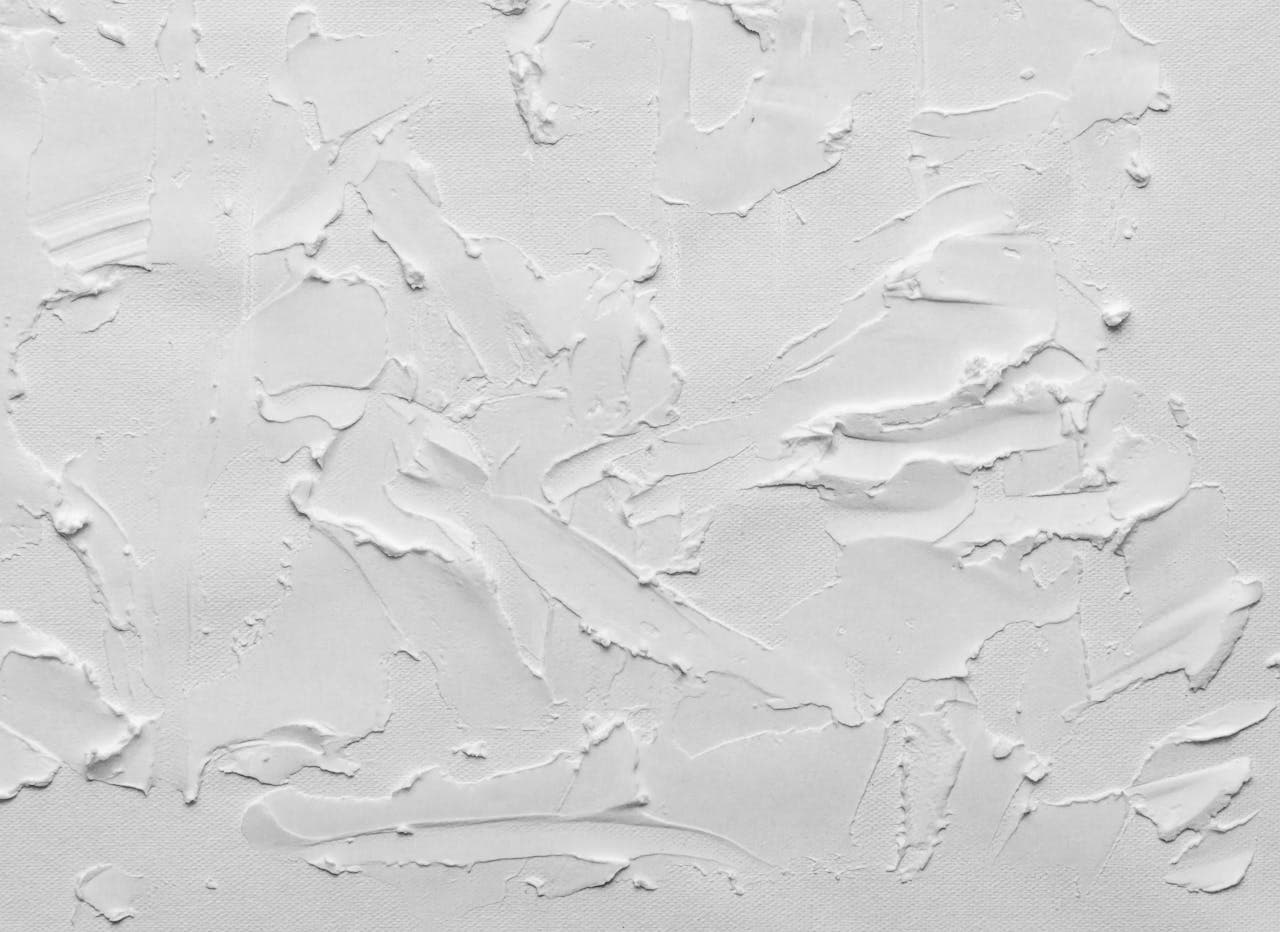
Limewash paint is a mineral-based finish made from slaked limestone that creates a soft, cloudy, hand-worked texture no roller or standard paint can replicate. It costs $2 to $6 per square foot for professional interior application in Sacramento and lasts 5 to 15 years on interior walls depending on traffic and maintenance (Angi, 2026; Limewash.com, 2026).
The finish has moved from niche design blogs to mainstream Sacramento renovations in the last 18 months. Search interest for limewash paint hit 32,000 monthly queries in early 2026 and continues climbing (Homedit, 2026). The appeal is straightforward: limewash walls look like they belong in a European villa, not a tract home. The natural tonal variation creates depth, movement, and a sense of history that flat latex simply cannot match.
This guide covers what limewash paint actually is, how it compares to standard interior paint, which colors work in Sacramento's light conditions, cost breakdowns, application techniques, and which rooms are best suited for the finish. If you already know what you want and need pricing for a full interior project, our interior painting cost guide covers Sacramento rates in detail.
What Is Limewash Paint?
Limewash paint is made from limestone that has been heated to create quicklime, then mixed with water to form lime putty. Natural pigments are added for color. That is the entire ingredient list -- no synthetic resins, no petroleum-based binders, no VOCs (ROMABIO, 2026; Meoded Paint, 2026).
Unlike standard latex or acrylic paint, which sits on top of a surface as a plastic film, limewash penetrates into porous substrates and cures through carbonation -- a chemical reaction where calcium hydroxide absorbs carbon dioxide and converts back into calcium carbonate (limestone). The finish literally becomes part of the wall rather than coating it.
This chemical difference produces three characteristics that define the limewash look:
- Tonal variation: No two brushstrokes absorb the same way, creating a cloudy, dimensional surface that shifts with light throughout the day
- Matte luminosity: The crystalline structure of cured lime refracts light, producing a soft glow that flat latex paint cannot replicate (Chromatist, 2025)
- Natural patina: Rather than peeling or flaking over time, limewash develops character -- it gets better with age, similar to how natural stone weathers (Bauwerk Colour, 2026)
The finish has been used for thousands of years on masonry, plaster, and stucco across the Mediterranean, Middle East, and Northern Europe. What changed recently is the development of modern formulations that work on standard drywall -- the surface inside virtually every Sacramento home built after 1960.
Citation capsule: Limewash paint is made from slaked limestone and natural pigments with zero VOCs. It penetrates porous surfaces and cures through carbonation rather than drying as a film (ROMABIO, 2026). The crystalline structure of cured lime creates a luminous matte finish with natural tonal variation that shifts with changing light (Chromatist, 2025).
Limewash vs Regular Paint: Full Comparison
The question most Sacramento homeowners ask is whether the aesthetic upgrade justifies the cost premium. The short answer: it depends on how long you plan to stay in the home and which rooms you are finishing.
Side-by-Side Comparison
| Feature | Limewash | Standard Latex Paint |
|---|---|---|
| Cost per sq ft (installed) | $2–$6 | $1–$3.50 |
| Material cost per gallon | $25–$100 | $20–$60 |
| Coverage per gallon | 200–300 sq ft | 300–400 sq ft |
| Coats required | 2–3 | 2 |
| Interior lifespan | 5–15 years | 5–10 years |
| VOC content | Zero | Varies (zero-VOC options available) |
| Finish appearance | Matte, textured, tonal variation | Uniform, smooth, multiple sheen options |
| Scrubbability | Low -- prone to scuffing | High -- washable finishes available |
| Color range | Limited natural pigment palette | Virtually unlimited |
| Best surface | Porous (plaster, drywall, brick, stucco) | Almost any surface |
| Aging behavior | Develops patina, improves with age | Yellows, chips, or peels over time |
| Eco-friendliness | Fully natural, biodegradable | Varies by formulation |
| Application method | Brush only -- crosshatch or random strokes | Brush, roller, or spray |
Sources: Angi, 2026; Upper Paint, 2026; Highland Painting, 2025.
When Limewash Wins
Limewash is the better choice when your goal is a textured, European-inspired aesthetic that reads as high-end design. Specific scenarios where limewash outperforms standard paint:
- Bedrooms and living rooms where the walls are the visual focus and traffic is low
- Homes where indoor air quality matters -- zero VOCs with natural antibacterial properties from high alkalinity (German Smear Specialists, 2025)
- Older midtown and East Sacramento homes with existing plaster walls that benefit from a breathable finish
- Rooms where you want a statement without bold color -- white and warm neutral limewash creates drama through texture alone
When Standard Paint Wins
Stick with standard latex or acrylic paint for high-traffic areas, kitchens, bathrooms, hallways, and kids' rooms where scrubbability matters. Standard paint also wins when you need an exact color match, a non-matte sheen, or maximum durability in areas that get bumped, scuffed, or splashed regularly. Our paint sheen guide covers which sheens work best in each room type.
Best Limewash Paint Colors for Sacramento Homes in 2026
Sacramento's 269 sunny days per year (Best Places) and warm afternoon light amplify the tonal depth that makes limewash special. Colors that look flat under overcast skies in Portland or Seattle come alive on Sacramento walls.
The best limewash colors for 2026 share one quality: they read as sun-faded rather than freshly applied. The charm of limewash is that it looks like the wall has lived through decades, not like it was painted last Tuesday.
Terracotta and Clay Tones
Terracotta is the standout limewash color of 2026. The interaction between terracotta pigment and limewash's calcium carbonate base produces a warm, amber glow that makes rooms feel like they exist in perpetual golden hour (James Alexander Paints, 2026). In Sacramento's strong natural light, terracotta limewash shifts from peach in morning light to deep copper in the afternoon -- a range no flat latex achieves.
Best rooms: living rooms, dining rooms, primary bedrooms facing east or north.
Dusty Sage and Olive Greens
Sage green has been trending for several years, and limewash application updates it from "nice wall color" to a textured finish that reads like dried herbs or moss. The muted quality of limewash sage avoids the "hospital green" trap that brighter greens fall into. ROMABIO's Verde Terroso and similar earthy greens pair well with Sacramento's oak-dotted landscape and natural wood flooring common in local homes.
Best rooms: bedrooms, home offices, reading nooks.
Warm Whites and Cream
White limewash is the entry-level option that delivers maximum texture with minimum color risk. It works in any room and lets the brushwork create visual interest through shadow and light. The finish reads as substantially different from a white latex wall -- richer, softer, and more alive.
Best rooms: any room, but especially living rooms and bedrooms where natural light will catch the surface texture.
Dusty Indigo and Smoky Blues
Limewash indigo reads like faded denim -- worn, dimensional, and completely credible as a surface with history (We and the Color, 2026). Blue-violet tones are producing some of the most striking limewash rooms in 2026 design. Sacramento's warm light tempers the coolness of blue, preventing it from reading cold.
Best rooms: primary bedrooms, dining rooms, home offices.
Rich Chocolate Brown
Deep brown is 2026's "it" dark color, replacing the matte blacks that dominated recent years (ROMABIO, 2026). In limewash, chocolate brown develops a leather-like depth that flat paint cannot achieve. Use it on a single accent wall or as a full color drench in smaller rooms for maximum impact.
Best rooms: powder rooms, home offices, dining rooms.
For more on how these colors fit into the broader 2026 palette, see our best paint colors guide and accent wall ideas for Sacramento.
How Much Does Limewash Paint Cost in Sacramento?
Limewash is a premium finish. The cost is higher than standard painting, but the math shifts when you factor in lifespan and the unique aesthetic that eliminates the need for additional wall treatments like wallpaper or textured panels.
Cost Breakdown for Sacramento Interior Limewash
| Project Type | Cost Range | Details |
|---|---|---|
| Single accent wall (80 sq ft) | $160–$480 | Prep, primer, 2–3 coats limewash |
| Standard bedroom (400 sq ft walls) | $800–$2,400 | All walls, brush application |
| Living room (600 sq ft walls) | $1,200–$3,600 | All walls, crosshatch technique |
| Whole-home interior (2,000 sq ft walls) | $4,000–$12,000 | Multiple rooms, color transitions |
| Limewash product per gallon | $25–$100 | ROMABIO, Portola, Color Atelier, etc. |
| Professional labor per hour | $50–$85 | Sacramento metro rates, 2026 |
Sources: Angi, 2026; Hoboken Painter, 2026; Coohom, 2026.
What Drives the Cost Premium
The cost difference between limewash and standard paint comes from three factors:
- Labor intensity: Limewash must be brush-applied using specific crosshatch or random stroke techniques. Each coat takes roughly twice as long as rolling standard paint on the same wall area.
- Surface preparation: Previously painted drywall requires a specialized bonding primer (like ROMABIO MicroGrip) before limewash application. This adds a full prep coat that standard repaints don't need.
- Material cost: Premium limewash products run $40–$100 per gallon versus $30–$60 for quality interior latex. Coverage rates are comparable (200–300 sq ft per gallon for limewash vs 300–400 for latex), but the extra coat drives material costs up.
How to Manage Limewash Costs
- Start with one room or one accent wall. A single limewashed accent wall in the living room or bedroom costs $160–$480 and gives you the look without the whole-house commitment.
- Bundle with other interior work. If you are already getting rooms painted, adding limewash to one room during the same project reduces setup and mobilization costs.
- Use limewash strategically. Put it in rooms where the texture will be most visible -- living rooms, bedrooms, dining rooms -- and use standard paint in hallways, closets, and utility spaces.
- Choose warm whites for the easiest application. Lighter limewash colors are more forgiving during application, which can reduce labor time by 15–20% compared to dark or saturated tones.
Best Rooms for Limewash Paint in Sacramento
Not every room benefits equally from limewash. The finish shines in spaces where walls are the visual focus, traffic is low to moderate, and natural light changes throughout the day.
Primary Bedrooms (Excellent)
The primary bedroom is the top recommendation for a first limewash project. Low traffic means minimal scuffing risk. Morning and evening light shifts create the dynamic, shifting appearance that makes limewash special. Muted tones -- dusty sage, warm taupe, soft clay -- promote relaxation while adding the kind of depth that makes a bedroom feel like a retreat rather than a box with furniture.
Sacramento bedrooms on the east side of the house get warm morning light that pairs beautifully with terracotta and clay limewash. West-facing bedrooms with intense afternoon sun work better with cooler tones -- sage, indigo, or warm white -- that temper the golden light.
Living Rooms (Excellent)
Living rooms are where limewash gets the most visual exposure and the most compliments. A limewashed fireplace wall in warm terracotta or sage green creates a focal point that makes standard paint on adjacent walls look deliberate rather than plain. For homeowners considering a full living room limewash, the effect is transformative -- especially in Sacramento ranch-style homes where 8-foot ceilings can feel boxy. The textured surface catches light in a way that makes the walls feel larger and more dynamic.
A limewash living room upgrade also delivers measurable ROI when selling. Our guide to painting and home value covers the broader data, but limewash specifically reads as a "designer upgrade" in listing photos.
Dining Rooms (Great)
Dining rooms are event spaces -- used in shorter bursts, often in evening light from fixtures rather than windows. Deeper limewash colors (chocolate brown, dusty indigo, rich terracotta) create an intimate, almost restaurant-quality atmosphere under pendant lighting. The tonal variation of limewash adds visual richness that flat dark paint misses.
Home Offices (Great)
With Sacramento's large state-government workforce on hybrid schedules, home offices are getting serious design attention. A limewashed wall behind the desk creates a polished, textured backdrop for video calls. Sage green limewash reduces eye strain during screen time, and the organic texture adds visual warmth without distraction.
Rooms to Avoid for Limewash
Skip limewash in these spaces:
- Kitchens -- cooking grease, steam, and splatter damage the porous finish. If you want a limewash look in the kitchen, limit it to a non-cooking wall away from the stove and sink.
- Bathrooms -- humidity and direct water contact degrade limewash. Standard paint with a satin or semi-gloss sheen handles bathroom moisture far better.
- Kids' rooms and playrooms -- handprints, scuffs, and crayon marks are difficult to clean from limewash without damaging the finish.
- High-traffic hallways -- shoulder contact and furniture bumps scuff the chalky surface.
Sacramento & Placer County
Need a real quote on your project?
Free, no-obligation walkthrough. Itemized estimate within 24 hours. Most jobs scheduled within 2–3 weeks.
How Limewash Paint Is Applied on Interior Walls
Limewash application looks simple in time-lapse videos but requires specific technique that differs fundamentally from standard painting. The process, equipment, and timing are all different.
Step 1: Surface Preparation
Limewash requires a porous surface to bond properly. Standard drywall that has been previously painted with latex creates a sealed surface that limewash cannot penetrate. The solution is a specialized bonding primer.
Key prep steps:
- Clean walls thoroughly -- remove dust, cobwebs, and any grease or residue
- Repair all imperfections -- fill nail holes, sand patches smooth, and address any cracks. Limewash highlights rather than hides imperfections. Our guide to fixing peeling paint covers surface repair in detail.
- Apply bonding primer -- products like ROMABIO MicroGrip or equivalent create a micro-textured surface that limewash can grip. This coat dries in 2–4 hours (ROMABIO, 2025).
- Lightly mist the wall -- a damp surface helps limewash absorb evenly and prevents patchy drying (James Alexander Paints, 2026).
Step 2: First Coat Application
Limewash is applied exclusively with a brush -- never a roller. The three most common techniques:
- Crosshatch: Apply diagonal strokes in one direction, then cross over them in the opposite direction, creating an "X" pattern. Overlap each section for a woven, layered effect.
- Random stroke: Apply paint with circular, wavy, and directional strokes without creating a pattern. This produces the most organic, cloudy appearance.
- Vertical sweep: Long vertical strokes overlapping horizontally. Creates a more uniform, subtle texture.
The first coat goes on thin. It will look patchy and uneven when wet -- that is normal and expected. Do not try to "fix" thin areas by adding more product. The second coat handles coverage.
Step 3: Drying and Second Coat
Allow 12 hours minimum for the first coat to fully dry. Limewash does not dry the way standard paint does -- it cures through carbonation, which means the finish lightens significantly as it dries. A color that looks muddy and dark when wet will settle into the muted, chalky tone you chose from the swatch.
In Sacramento's dry climate, curing happens faster than in humid regions. Lightly misting the wall with clean water during the first 48 hours after application actually strengthens the chemical bond and improves final durability (Bauwerk Colour, 2025).
Apply the second coat using the same technique as the first, but vary your brush pressure to create depth. Areas of thicker application will read slightly darker, while lighter passes create the characteristic "cloud" effect.
Step 4: Optional Third Coat and Finishing
A third coat is optional and depends on the depth of color and texture you want. Darker colors (indigo, chocolate, deep terracotta) typically need three coats. Light warm whites and creams often look complete after two.
Is Limewash Paint Good for Sacramento Homes?
Sacramento's climate and housing stock create specific advantages and considerations for limewash interiors.
Climate Advantages
Sacramento's dry, warm climate is favorable for limewash in several ways:
- Fast curing: Low humidity accelerates the carbonation process, meaning coats dry and cure faster between applications. A two-coat bedroom that takes three days in a humid climate can be completed in two days in Sacramento.
- UV interaction: Strong natural light activates limewash's crystalline structure, producing the luminous glow that defines the finish. Rooms with generous windows are ideal candidates.
- Low moisture risk for interiors: Sacramento's dry air means interior walls rarely accumulate the moisture that can degrade limewash in humid climates like the Gulf Coast or Pacific Northwest.
Limewash has been used for centuries in Mediterranean and Middle Eastern climates nearly identical to Sacramento's -- hot, dry summers with moderate winters. The material was literally designed for this weather profile (Bauwerk Colour, 2025).
Sacramento Housing Styles and Limewash
- Ranch homes (1950s–1970s): Flat drywall interiors take limewash well with proper primer. Lower ceilings benefit from the textured surface, which adds visual interest that compensates for less vertical space.
- Midtown/East Sac Victorians and Craftsmans: Original plaster walls are the ideal limewash substrate. No bonding primer needed on unpainted plaster -- the limewash penetrates directly.
- Tract homes (1980s–2000s): Standard painted drywall with orange peel or knockdown texture. Limewash works on light texture but looks best on smooth walls. Consider skim-coating heavily textured walls before applying limewash.
- New construction (Natomas, Elk Grove, Rancho Cordova): Fresh drywall with builder-grade paint is the most common surface for limewash projects. One coat of bonding primer converts it to a limewash-ready surface.
Limewash on Sacramento Stucco Exteriors
Limewash works on exterior stucco, and Sacramento's stucco-heavy housing stock makes this a common question. The look is stunning -- a naturally weathered, European aesthetic that pairs well with California architecture. However, exterior limewash requires reapplication every 3–5 years depending on sun exposure and weather, compared to 5–10 years for standard exterior paint and 10–20 years for elastomeric coatings. Factor that maintenance cycle into your decision. For exterior-only pricing, our stucco painting cost guide has Sacramento rates.
DIY vs Professional Limewash Application
This is one of the few painting topics where we strongly recommend professional application for most homeowners. The technique gap between limewash and standard painting is significant.
When DIY Can Work
A single accent wall in a forgiving color (warm white, light cream) on smooth drywall is a manageable DIY project for someone comfortable with a paintbrush. If you have experience with decorative painting techniques and can commit to watching application videos from the paint manufacturer, a small-scale project is achievable.
DIY cost for a single accent wall: $75–$250 (primer, limewash, brush, supplies)
When to Hire a Professional
Hire a professional for:
- Full-room or multi-room limewash projects -- maintaining consistent technique across large areas requires experience
- Dark or saturated colors -- darker tones expose every technique inconsistency
- Rooms with detailed trim, crown molding, or built-ins -- the transition between limewash and adjacent surfaces needs careful handling
- Previously textured walls -- assessing whether existing texture needs to be skim-coated before limewash application
- Any room where the result needs to look polished -- a professional limewash finish and a DIY finish are visually distinct in a way that DIY vs professional standard painting often is not
Professional cost for a single accent wall: $160–$480 installed
The technique difference matters more with limewash than with any other interior finish. Standard paint is forgiving -- a second coat fixes most first-coat mistakes. With limewash, technique errors in the first coat show through subsequent coats because the finish is translucent, not opaque. Each layer reveals the one beneath it.
How Long Does Limewash Paint Last?
On interior walls in Sacramento, properly applied limewash lasts 5 to 15 years before needing a refresher coat. Low-traffic rooms like bedrooms and formal living rooms sit at the upper end of that range. Higher-traffic spaces like family rooms and hallways land closer to the lower end (Limewash.com, 2026; Asvesti, 2025).
The key difference from standard paint: limewash ages gracefully rather than failing dramatically. Standard latex paint eventually chips, cracks, or yellows. Limewash develops a patina -- subtle changes in tone and texture that most homeowners find more attractive than the original application (Bauwerk Colour, 2026).
When the time comes for maintenance, a light refresher coat applied directly over the existing limewash restores the finish without stripping. Each subsequent layer bonds to the one below, actually strengthening the overall coating. This is fundamentally different from repainting with latex, which eventually requires scraping old paint before applying new coats -- a process our peeling paint repair guide covers in detail.
Sacramento Mini-Story: The Midtown Victorian
A Midtown Sacramento homeowner called us about repainting a formal living room in a 1920s-era home with original plaster walls. The previous latex paint was cracking and peeling at the wall-ceiling joints -- a common issue on older plaster that flexes with seasonal temperature changes. We removed the failing latex, applied limewash directly to the plaster (no bonding primer needed on unpainted plaster), and the result was a warm white finish with natural variation that made the room look like it had been that way for decades. Two years later, the homeowner reports the finish has improved with age -- the subtle patina adds character that fresh paint never could.
FAQ
What is limewash paint?
Limewash paint is a mineral-based finish made from slaked limestone (calcium hydroxide) mixed with water and natural pigments. Unlike standard latex or acrylic paint, which forms a plastic film on top of surfaces, limewash penetrates into porous substrates and cures through carbonation -- a chemical reaction that converts it back into limestone. This produces a soft, matte finish with natural tonal variation and a luminous quality that shifts with changing light. Limewash has been used for thousands of years across the Mediterranean and Middle East and has become one of the most popular interior finishes of 2025–2026 (ROMABIO, 2026; Meoded Paint, 2026).
How long does limewash paint last on interior walls?
Properly applied limewash lasts 5 to 15 years on interior walls, with low-traffic rooms like bedrooms lasting longest. The finish ages differently than standard paint -- rather than chipping or peeling, limewash develops a natural patina that most homeowners find more attractive than the original application. When maintenance is needed, a single refresher coat applied directly over the existing limewash restores the finish and actually strengthens the overall coating (Limewash.com, 2026; Bauwerk Colour, 2026).
Is limewash paint good for Sacramento homes?
Sacramento's hot, dry climate is well-suited for limewash paint, particularly for interiors. The low humidity accelerates curing between coats, the strong natural light activates limewash's crystalline luminosity, and the dry air minimizes moisture-related degradation risks. Limewash was historically used across Mediterranean and Middle Eastern climates similar to Sacramento's. Common Sacramento surfaces -- drywall, plaster, stucco, and brick -- all accept limewash with proper preparation (Bauwerk Colour, 2025).
How much does limewash paint cost per square foot?
Professional limewash application in Sacramento costs $2 to $6 per square foot installed, compared to $1 to $3.50 for standard interior paint. A single accent wall (80 sq ft) runs $160–$480, a bedroom runs $800–$2,400, and a full living room costs $1,200–$3,600. The premium comes from brush-only application technique (no rollers), specialized bonding primer, and the additional time required for crosshatch or decorative stroke patterns (Angi, 2026).
Can you apply limewash paint over existing paint?
Yes, but not directly. Previously painted drywall needs a specialized bonding primer (such as ROMABIO MicroGrip) to create a porous surface that limewash can penetrate. Without this primer coat, limewash will not adhere properly to the sealed latex surface. Unpainted plaster, raw drywall, brick, and stucco can receive limewash directly without bonding primer. Heavy wall textures (orange peel, knockdown) may need to be skim-coated smooth for the best result (ROMABIO, 2025).
Is limewash paint hard to maintain?
Limewash is low-maintenance in low-traffic areas but less forgiving than standard paint in high-traffic spaces. It scuffs more easily than latex, and stains should be wiped promptly before they absorb into the porous surface. The tradeoff is that maintenance, when needed, is simpler -- a light refresher coat blends seamlessly with the existing finish, and minor scuffs can often be buffed out with a dry cloth. Avoid limewash in kitchens, bathrooms, hallways, and children's rooms where durability matters most (Stacey Designs, 2025; German Smear Specialists, 2025).
Get a Limewash Estimate for Your Sacramento Home
Limewash paint transforms flat, ordinary walls into textured, luminous surfaces that shift with light and improve with age. Sacramento's climate, housing stock, and natural light make it one of the best markets in California for interior limewash applications.
The finish is not for every room or every homeowner. It is a premium product that demands professional technique and works best in low-traffic showcase spaces. But in the right room with the right color, limewash creates a look that no amount of standard paint can replicate.
ProFlow Painting applies limewash finishes across the Sacramento metro area -- from single accent walls to full-room color drenching projects. Our team uses ROMABIO, Portola, and other premium limewash products with proper bonding primer preparation on all previously painted surfaces. Every estimate includes a color consultation so you see exactly how the finished walls will look in your specific room's light conditions.
Ready to see what limewash can do for your space? Request a free limewash estimate or call (916) 740-7249. We will assess your walls, recommend the right product and color, and give you a transparent price with no surprises.
Free quote · Sacramento & Placer County
Ready for a real estimate, not a guess?
Tell us about your project and we'll walk it with you in person. Itemized quote within 24 hours, no high-pressure sales.