
The average fence painting cost in Sacramento runs $3 to $10 per linear foot for professional work, depending on fence type and condition. Staining costs slightly less at $3 to $8 per linear foot. For a standard 150-linear-foot privacy fence, that puts your total project between $450 and $1,500 for staining or $450 to $1,500 for painting.
Sacramento's Central Valley climate -- 100F+ summers, intense UV, and occasional wet winters -- accelerates fence deterioration faster than milder regions. A fence that looks fine in October can turn gray and splintered by July. The cost data in this guide reflects local Sacramento pricing and factors in the maintenance schedules our climate demands.
If you're also considering your deck, our deck staining guide covers that project in detail.
How Much Does Fence Painting Cost in Sacramento?
Nationally, fence painting and staining costs $300 to $4,800, with the average homeowner paying around $1,700 (HomeGuide, 2026). Per linear foot, professional painters charge $3 to $14 depending on fence type, height, and material condition (Angi, 2026).
Sacramento pricing falls in the mid-range nationally. Our labor rates are slightly below the Bay Area but above rural California. Here's what to expect by fence type:
| Fence Type | Cost per Linear Foot | 150 lf Total |
|---|---|---|
| Wood picket (4 ft) | $3–$5 | $450–$750 |
| Wood privacy (6 ft) | $4–$10 | $600–$1,500 |
| Redwood privacy | $5–$10 | $750–$1,500 |
| Metal/iron | $4–$10 | $600–$1,500 |
| Vinyl fence | $4–$10 | $600–$1,500 |
Per square foot, the base cost to paint a fence runs $1.60 to $3.20, with the average at $2.40 per square foot (HomeGuide, 2026). Keep in mind that a 6-foot privacy fence has twice the square footage per linear foot as a 3-foot picket fence, which is why privacy fence projects cost more.
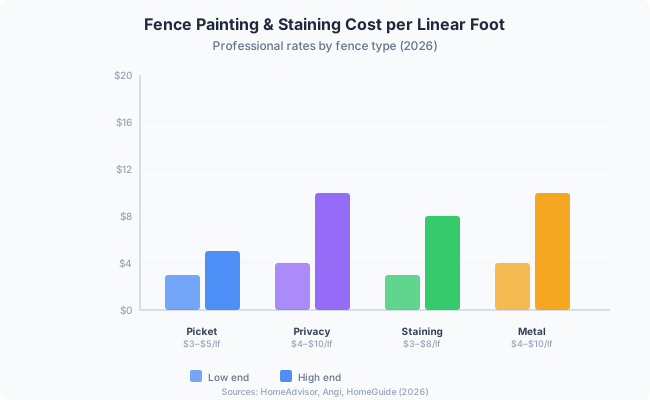
Most painters charge a $250 to $500 minimum regardless of fence size, so small jobs (under 50 linear feet) aren't always cost-effective for professional work (Angi, 2026).
Citation Capsule: Professional fence painting costs $3–$14 per linear foot nationally, with total projects ranging from $300–$4,800. The average homeowner pays around $1,700. Sacramento pricing sits in the mid-range at $3–$10 per linear foot for most wood fences (Angi, 2026; HomeGuide, 2026).
Fence Staining Cost in Sacramento
Fence staining runs $3 to $8 per linear foot professionally, with the national average project costing around $1,900 (Angi, 2026). Staining typically costs less than painting because it requires less prep work -- no priming, fewer coats, and simpler recoat cycles.
Labor charges for staining run $50 to $110 per hour (Angi, 2026). Most Sacramento staining projects take one to two days for a standard privacy fence depending on condition and prep needs.
Staining Cost by Fence Size
| Fence Length | Staining Cost (4 ft) | Staining Cost (6 ft) |
|---|---|---|
| 50 lf | $150–$400 | $250–$600 |
| 100 lf | $300–$800 | $500–$1,000 |
| 150 lf (typical) | $450–$1,200 | $750–$1,500 |
| 200 lf | $600–$1,600 | $1,000–$2,000 |
Materials alone -- stain, brushes, roller covers -- run $0.50 to $1.50 per linear foot for DIY. A gallon of quality semi-transparent stain ($30–$65) covers 150 to 300 square feet depending on wood porosity.
For Sacramento's redwood fences specifically, budget toward the higher end of these ranges. Redwood's natural tannins can bleed through cheaper stains, requiring a tannin-blocking formula or an extra coat.
Citation Capsule: Fence staining costs $3–$8 per linear foot professionally, with the average project around $1,900 nationally. Labor runs $50–$110 per hour. Materials for DIY staining run $0.50–$1.50 per linear foot (Angi, 2026).
Check out our deck and fence staining services for details on what's included in a ProFlow estimate.
Fence Painting vs Staining: Which Is Better?
For most Sacramento wood fences, staining wins. Stain penetrates into the wood grain rather than forming a surface film, which means it won't peel, chip, or blister in Sacramento's extreme heat cycles (Hancock Fence, 2025).
Paint sits on top of the wood surface. It provides more color options and can cover imperfections, but that surface film is exactly what fails in hot climates. When paint peels on a fence, the repainting process requires scraping, sanding, and priming before any new coat goes on. That prep work doubles the cost of the next paint job.
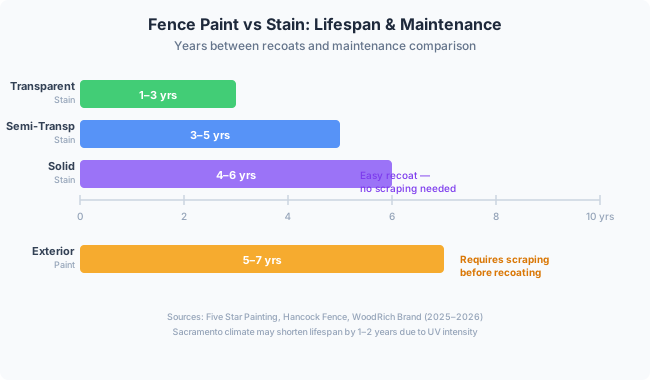
Paint vs Stain Comparison
| Factor | Paint | Stain |
|---|---|---|
| Cost per linear foot | $3–$10 | $3–$8 |
| Lifespan | 5–7 years | 1–6 years (varies by type) |
| UV protection | High | Low to high (varies) |
| Wood grain visible | No | Yes (except solid stain) |
| Peeling/chipping | Common | No -- fades evenly |
| Recoat prep needed | Scraping + priming | Wash + recoat |
| Best for | Hiding imperfections | Natural wood look |
| Sacramento heat performance | Fair -- peeling risk | Good -- penetrates wood |
When Paint Makes Sense
Paint is the right choice when you want a specific color (white picket fence, for example), need to cover mismatched wood or repairs, or have a non-wood fence that requires a surface coating. It also works well on vertical fence boards where peeling is less of a concern than on horizontal deck surfaces.
When Stain Is the Better Choice
Stain wins for redwood and cedar fences, any fence in full sun exposure, situations where you want low-maintenance recoating, and anywhere Sacramento's heat cycles would cause paint to fail. Since most Sacramento fences are redwood privacy fences, staining is the default recommendation.
Redwood Fence Staining in Sacramento
Redwood is the dominant fence material in Sacramento and Northern California. It's naturally resistant to rot and insects, but it is not resistant to UV damage. Unstained redwood turns silver-gray within 6 to 12 months of sun exposure.
Staining a redwood fence preserves the rich reddish-brown color and adds UV protection that the wood doesn't have on its own. With proper staining, a redwood fence can last 15 to 20 years or more (C&J Fencing, 2025).
Best Stain Types for Redwood in Sacramento
Semi-transparent, oil-based stains are the traditional choice for redwood because they penetrate the dense grain and enhance the natural color. However, California's VOC regulations have pushed many homeowners toward water-based alternatives that now perform nearly as well.
Recommended products for Sacramento redwood fences:
- TWP 1500 Series -- Oil-modified, excellent UV protection, popular among Northern California pros
- Penofin Ultra Premium -- Penetrating oil finish, specifically formulated for dense hardwoods like redwood
- Ready Seal -- Water-based, no back-brushing required, good for DIY applications
- Cabot Australian Timber Oil -- Deep-penetrating formula that handles heat and UV well
For more on choosing between traditional and eco-friendly paint and stain options, check our separate guide.
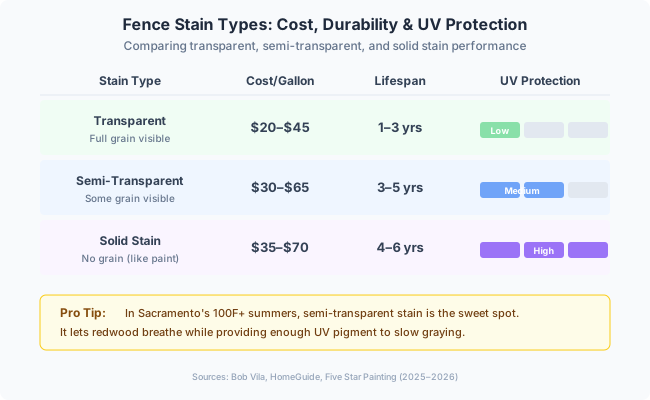
Redwood Staining Schedule for Sacramento
Sacramento's intense UV shortens staining intervals compared to national averages. Plan for:
- Transparent stain: Reapply every 1–2 years (vs 2–3 nationally)
- Semi-transparent stain: Reapply every 2–3 years (vs 3–5 nationally)
- Solid stain: Reapply every 3–5 years (vs 4–6 nationally)
The water bead test works for fences just like decks: sprinkle water on the wood surface. If it soaks in immediately rather than beading up, the stain has worn through and it's time to recoat.
Citation Capsule: Unstained redwood turns gray within 6–12 months in Sacramento's UV-intense climate. Semi-transparent stain is the most popular choice, lasting 2–3 years locally before recoating. With proper maintenance, stained redwood fences last 15–20+ years (C&J Fencing, 2025).
What Affects Fence Painting and Staining Cost?
Six factors determine where your project falls in the price range. Understanding them helps you anticipate your actual cost rather than relying on averages.
Fence Height and Length
A 6-foot privacy fence has 50% more surface area per linear foot than a 4-foot picket fence. Length is the primary cost driver, but height compounds it significantly. A 200-linear-foot, 6-foot privacy fence is a meaningfully different project than a 50-foot, 3-foot picket fence.
Current Condition
A new fence that's never been coated is the cheapest to stain -- minimal prep, maximum stain absorption. A fence with peeling old paint is the most expensive because stripping is required before any new coating. Budget an additional $1.50 to $3.00 per square foot for paint stripping.
Prep Work Required
Pressure washing ($0.50–$1.50 per square foot), sanding, and repairs all add to the total. Most fences need at least a pressure wash before staining. Fences with mildew, algae, or dirt buildup need more aggressive cleaning. Our exterior painting preparation guide covers prep techniques that apply to fence work too.
Number of Coats
One coat of semi-transparent stain is standard for maintenance recoats. New wood or heavily weathered fences benefit from two coats, adding 30–50% to materials and 20–30% to labor.
Fence Accessibility
Fences along property lines with landscaping, slopes, or tight spacing between structures are harder to access and take longer to complete. Expect a 10–20% premium for difficult access situations.
Repairs Needed
Replacing rotten pickets, tightening loose posts, and resetting popped nails should happen before any coating goes on. Minor repairs run $100–$300 on top of the painting/staining cost. Major structural issues are a separate conversation.
Sacramento & Placer County
Need a real quote on your painting project?
Free, no-obligation walkthrough. Itemized estimate within 24 hours. Most jobs scheduled within 2–3 weeks.
Best Time to Paint or Stain a Fence in Sacramento
Sacramento's climate creates clear seasonal windows for fence work:
- Spring (March–May): The ideal window. Temperatures stay in the 60s–80s, humidity is low, and rain is unlikely. Stain cures properly and has weeks of good weather to fully set.
- Early fall (September–October): Second-best option. Summer heat drops below 90F, but you still get dry conditions. Wait for evening temperatures below 85F before applying.
- Summer (June–August): Avoid if possible. Temperatures above 95F cause stain to dry too quickly, preventing proper wood penetration. If you must stain in summer, start early morning (before 8 AM) and work on shaded sections first.
- Winter (November–February): Not recommended. Sacramento's tule fog and rain create moisture conditions that prevent proper curing.
Our guide on when to paint your house exterior covers seasonal timing in more detail.
10-Year Cost Comparison: Staining vs Painting vs Replacing
The real cost question isn't "how much does it cost today?" It's "what will I spend over the next decade?" Here's how the three options compare for a typical 150 linear foot, 6-foot privacy fence in Sacramento.
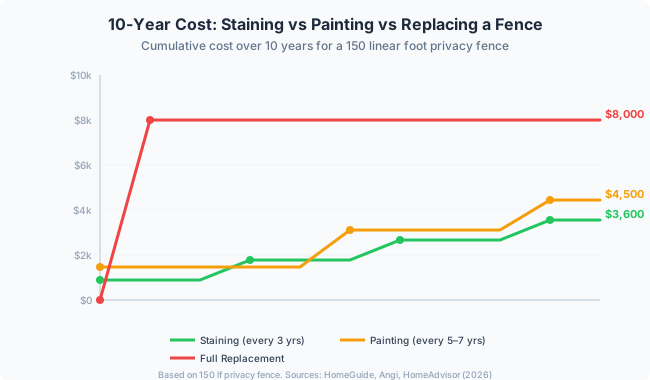
Staining (Every 3 Years)
- Initial staining: $750–$1,200
- Recoat at year 3: $600–$900 (less prep needed)
- Recoat at year 6: $600–$900
- Recoat at year 9: $600–$900
- 10-year total: $2,550–$3,900
Painting (Every 5–7 Years)
- Initial painting: $900–$1,500
- Scrape + repaint at year 6: $1,200–$2,000 (prep adds cost)
- 10-year total: $2,100–$3,500 (but fence condition often worse)
Full Replacement
- New fence installation: $5,000–$10,000+ for 150 lf (HomeGuide, 2026)
- 10-year total: $5,000–$10,000 (plus eventual staining/painting costs)
Staining and painting end up in a similar 10-year cost range, but stained fences generally look better throughout the cycle because they fade evenly instead of peeling. Replacement only makes sense when the structure has failed -- rotten posts, broken rails, compromised integrity.
Looking at your full house painting costs in Sacramento? Bundling fence staining with a house paint job often saves 10–15% versus booking separately.
DIY vs Professional Fence Staining
DIY fence staining saves roughly 50–65% of the professional cost. Materials for a 150-foot privacy fence run $150–$400 depending on stain quality and number of coats. The question is whether the savings justify the time investment.
DIY Cost Breakdown
- Stain (2–3 gallons): $60–$195
- Pump sprayer or roller: $30–$80 (or rent a sprayer for ~$50/day)
- Pressure washer rental: $50–$100/day
- Tape, drop cloths, supplies: $20–$40
- DIY total: $160–$415 for a 150 lf fence
When DIY Makes Sense
A short picket fence in good condition with easy access is a reasonable weekend project. If the fence just needs a wash and one coat of stain, the application process is straightforward: spray or roll on, back-brush, and let it dry.
When to Hire a Pro
Call a professional for tall privacy fences (ladders and sprayer equipment), fences with old paint that needs stripping, fences with rot or structural repairs, and any project where consistent, even coverage matters for curb appeal.
A professional crew finishes a standard 150-foot fence in one day. DIY on the same fence takes a full weekend at minimum. When you factor in equipment rental, your effective hourly savings may be lower than expected.
Ready to get your fence stained or painted? Get a free estimate from our team.
How to Choose a Fence Painting Contractor in Sacramento
Not all painting contractors handle fence work well. Fences require different techniques than interior walls -- outdoor durability matters more than a perfect finish, and product selection for Sacramento's climate is critical.
When evaluating contractors, ask about:
- CSLB license status -- verify at cslb.ca.gov. Our full contractor selection checklist covers 12 points to verify.
- Specific products they use -- contractors who recommend specific stain brands (TWP, Penofin, etc.) rather than generic "exterior stain" know the product landscape.
- Prep process -- a contractor who skips pressure washing or doesn't discuss prep in detail will deliver a coating that fails within a year.
- Warranty -- most professional staining work should carry at least a 1-year promise to come back and fix application failures.
FAQ
How much does it cost to paint a fence in Sacramento?
Professional fence painting in Sacramento costs $3 to $10 per linear foot, with most privacy fence projects totaling $600 to $1,500 for 150 linear feet. The cost depends on fence type, height, condition, and prep work needed. Painters typically charge a $250–$500 minimum for small jobs (Angi, 2026).
Is it better to paint or stain a wood fence?
For most Sacramento wood fences -- especially redwood -- staining is the better choice. Stain penetrates the wood grain, handles heat and UV cycles without peeling, and requires simpler recoat prep. Paint offers more color options and hides imperfections but tends to peel in Sacramento's extreme summer heat, making future maintenance more expensive (Hancock Fence, 2025).
How often should you stain a fence in Sacramento?
In Sacramento's UV-intense climate, plan for the shorter end of every staining interval: every 1–2 years for transparent stain, every 2–3 years for semi-transparent, and every 3–5 years for solid stain. South-facing fence sections need attention sooner than shaded sections. Use the water bead test -- if water soaks into the wood instead of beading up, it's time to restain.
Does fence staining last longer than paint in hot climates?
In Sacramento's hot climate, the answer depends on the stain type. Solid stain (4–6 years) outlasts semi-transparent stain (3–5 years) but falls short of paint's 5–7 year lifespan. However, stain degrades more gracefully -- it fades evenly rather than peeling and chipping. When it's time to recoat, stained fences need only a wash before reapplication, while painted fences often require expensive scraping and priming.
Can you paint a previously stained fence?
Yes, but it requires thorough surface preparation. The stained surface must be completely clean, dry, and lightly sanded to create adhesion for the paint. If the stain is oil-based, you'll need an oil-based or bonding primer before applying latex paint. Expect to add $1.00–$2.00 per square foot in prep costs. Going the other direction -- staining over old paint -- requires full paint stripping first, which costs $1.50–$3.00 per square foot.
Protect Your Fence Without Breaking the Budget
Fence staining is the most cost-effective way to preserve your fence investment in Sacramento. At $3–$8 per linear foot, a staining job every 2–3 years costs a fraction of the $5,000–$10,000 replacement price -- and keeps your property looking sharp year-round.
The key takeaways: semi-transparent stain is the best all-around choice for Sacramento's redwood fences, spring is the ideal application window, and consistent maintenance prevents the kind of deterioration that forces expensive replacements.
ProFlow Painting handles deck and fence staining across the Sacramento metro area. If your fence needs a refresh, request a free estimate or call (916) 740-7249 -- we'll assess the condition and recommend the right product for your wood type and sun exposure.
Free quote · Sacramento & Placer County
Ready for a real estimate, not a guess?
Tell us about your project and we'll walk it with you in person. Itemized quote within 24 hours, no high-pressure sales.