
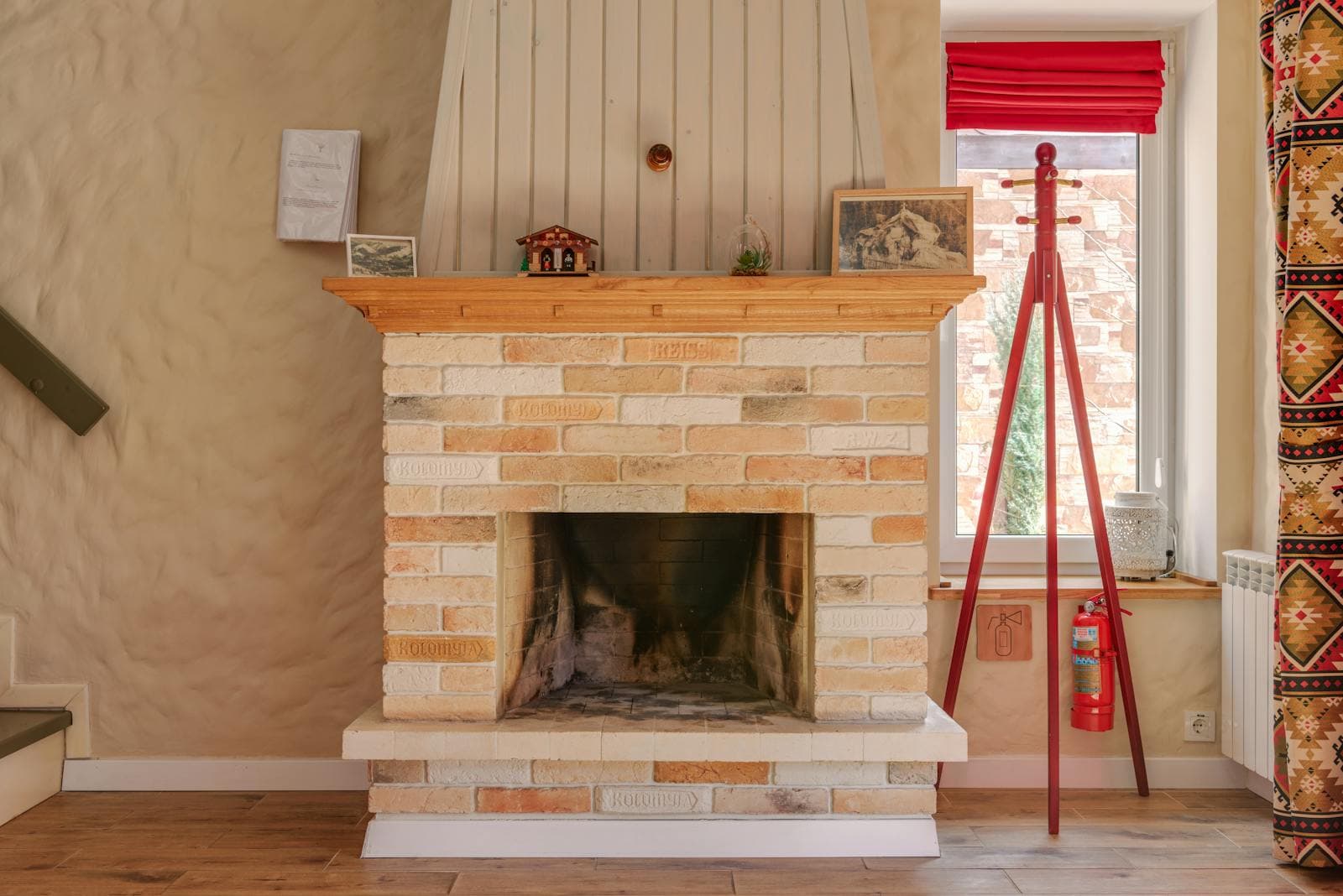
Painting a brick fireplace costs $200 to $1,200 in Sacramento, with most homeowners paying $400 to $700 for a professional makeover of a standard floor-to-ceiling surround (HomeGuide, 2026; Angi, 2026). DIY costs run $75 to $250 in materials if you already own basic painting tools.
Sacramento homeowners updating older Curtis Park bungalows, East Sac craftsman homes, and 1980s-era Carmichael ranches drive most of the brick fireplace makeover work in the region. The job sits in a sweet spot: small enough to finish in a weekend, transformative enough to change the entire feel of a room. The catch is paint chemistry. Standard wall paint will fail on the firebox interior and around the hearth where temperatures spike, so the right product selection matters more than on any other interior painting project.
This guide covers the full cost breakdown by fireplace size, what paint is safe for brick fireplaces (and which surfaces need heat-resistant paint), the prep work that determines whether the finish lasts, and a clear DIY vs professional comparison. For a broader view of interior pricing, our interior painting cost guide covers Sacramento rates across every room type.
Brick Fireplace Painting Cost by Size and Scope
Most Sacramento brick fireplaces fall into one of three size categories. The table below shows professional painting costs at typical Sacramento contractor rates.
| Fireplace Type | Surface Area | DIY Cost | Professional Cost |
|---|---|---|---|
| Small surround (mantel only) | 15–25 sq ft | $75–$150 | $200–$400 |
| Standard floor-to-ceiling | 30–60 sq ft | $125–$250 | $400–$700 |
| Full wall brick fireplace | 75–150 sq ft | $200–$400 | $700–$1,200 |
| Two-story brick chimney wall | 150–300 sq ft | $350–$650 | $1,200–$2,500 |
The DIY column assumes you already own brushes, rollers, and drop cloths. The professional column includes labor, materials, masonry primer, two finish coats, and basic prep (cleaning, mortar touch-ups, masking).
Sacramento contractor rates for small interior projects typically run $50 to $85 per hour. A standard fireplace makeover takes a two-person crew four to six hours including setup, prep, and two coat applications (Angi, 2026). Add 25 to 40 percent for fireplaces with extensive soot staining, damaged mortar, or hard-to-reach upper sections.
Citation capsule: Painting a standard brick fireplace surround costs $200–$700 professionally in Sacramento, with national averages running $400–$800 according to HomeGuide 2026 data. DIY material costs range from $75 to $250 depending on whether high-heat firebox paint is needed alongside standard masonry paint for the surround.
What Factors Affect Brick Fireplace Painting Costs?
Six variables control where your project lands in the price range. Understanding each one helps you read contractor estimates and spot where corners might get cut.
Surface Condition and Soot Buildup
Soot is the single biggest cost driver. A fireplace that has seen regular use over 10 to 30 years carries layers of creosote, smoke residue, and oils that prevent paint adhesion. Cleaning a heavily soot-stained brick fireplace takes one to three hours using TSP (trisodium phosphate), a stiff bristle brush, and multiple rinse cycles.
A clean, decorative-only fireplace might need 30 minutes of dusting and degreasing. A 1970s wood-burner that has not been cleaned in a decade can need an entire half-day of prep before primer.
This is the line item where DIY projects fail. Skipping the deep clean leaves contaminants that prevent paint from bonding, and the finish flakes within the first heating season.
Mortar Condition
Inspect the mortar joints carefully. Cracked or crumbling mortar must be repaired before painting, otherwise the new finish telegraphs every defect and water vapor finds new escape routes through the cracked areas. Mortar repair (tuck-pointing) on a fireplace runs $50 to $300 depending on the extent of damage.
For homes built before 1978, lead paint testing is required before any sanding or scraping. Sacramento homes in older neighborhoods like Land Park, East Sac, and Oak Park frequently fall into this category. See our lead paint testing guide for cost and compliance details.
Paint Type and Quality
Three paint categories cover every brick fireplace project:
- Standard interior latex masonry paint ($30–$60/gallon): Used for the surround and any brick that does not contact direct flame or extreme heat. Sherwin-Williams SuperPaint, Benjamin Moore Aura, and Behr Marquee all work well on properly primed brick. One gallon covers 250 to 350 square feet on textured masonry.
- High-heat enamel for firebox interior ($15–$25/spray can): Required for any brick that experiences direct flame contact or temperatures above 200°F. Rutland 1,200°F High Heat Brush-On Paint and Stove Bright High Temperature paint are the two products Sacramento contractors use most frequently.
- Mineral-based masonry paint ($45–$85/gallon): A breathable option for older brick where moisture management matters. Best for fireplaces in 1940s-1950s homes with original brick that has never been sealed.
Paint cost typically accounts for only 15 to 25 percent of a professional quote. Labor and prep dominate the bill, which is why selecting cheap paint to save $30 while accepting inferior prep is the wrong trade-off.
Number of Colors
Single-color fireplace surrounds are standard pricing. Adding a contrasting accent color for the mantel, hearth, or trim increases cost by 15 to 25 percent. Each additional color requires masking time, separate brush work, and careful cutting in around mortar lines.
Mantel and Hearth Work
Wood mantels often get refinished as part of a fireplace makeover. Stripping, sanding, and refinishing a wood mantel adds $150 to $400 to a professional quote. Painting a hearth (the stone or brick surface in front of the firebox) adds $50 to $200 depending on size.
Accessibility and Height
Floor-to-ceiling brick walls and two-story chimney columns require ladders, extended brush work, and slower production rates. Plan on a 30 to 50 percent premium over standard surround pricing for fireplaces taller than 10 feet.
What Paint Is Safe for Brick Fireplaces?
Paint selection on a fireplace is more nuanced than on any other interior project because different parts of the structure see vastly different temperatures. Choosing the wrong product for the wrong zone is the single most common cause of premature failure.
Surround and Outer Brick (Below 200°F)
The face of a brick fireplace -- the area visible from the room that does not contact the firebox interior -- stays under 200°F even during active use. This zone uses standard interior latex masonry paint. The same products you would use on any interior brick wall work here:
- 100% acrylic latex masonry paint (Sherwin-Williams SuperPaint, Benjamin Moore Aura)
- Eggshell or satin sheen for easy cleaning and a slight texture-friendly glow
- Masonry-rated primer applied first to seal the porous surface
Our paint sheen guide covers which finish works best for textured surfaces like brick.
Firebox Interior (Up to 1,200°F+)
The inside of the firebox -- where logs burn or gas flames contact the brick -- requires high-temperature paint. Standard latex paint will blister, smoke, and release fumes when exposed to direct heat. The two products Sacramento professionals trust:
- Rutland 1,200°F High Heat Brush-On Paint: Available in black or grey, brush-on application, rated for direct flame contact in wood-burning fireboxes
- Stove Bright High Temperature Paint: Aerosol spray, available in matte black, charcoal, and metallic finishes, rated to 1,200°F
Both products require curing through a controlled heat cycle after application. The first fire after painting should be small and brief, allowing the paint to cure without flashing or smoking. Read the manufacturer instructions carefully -- skipping the cure cycle is a common mistake that ruins an otherwise correct application.
Hearth and Mantel Edge (200°F to 500°F)
The hearth (the stone or brick surface in front of the firebox) and the underside of a mantel directly above the firebox can reach 200°F to 500°F during active fires. This zone needs heat-resistant paint -- not the 1,200°F firebox product, but stronger than standard interior paint. Stove Bright also makes a 500°F version, and many high-temperature primer products work in this temperature range.
If your fireplace is decorative-only with a sealed flue and no active wood burning, the temperature concerns drop dramatically. Standard masonry paint works on all surfaces of a non-functional fireplace. Confirm your fireplace status before selecting products -- a sealed gas insert that is occasionally used produces enough heat to demand the proper product chemistry.
Can You Paint a Brick Fireplace Yourself?
Yes -- a brick fireplace surround is one of the most beginner-friendly DIY paint projects. The work area is small, the surface is forgiving of brush marks because of its texture, and the entire job typically finishes in a single weekend. The catch is that the prep step is unforgiving.
DIY Cost Breakdown (Standard Surround)
| Item | Cost |
|---|---|
| Masonry primer (1 gallon) | $25–$45 |
| Latex masonry paint (1 gallon) | $30–$60 |
| High-heat firebox paint (1 can) | $15–$25 |
| TSP cleaner | $8–$15 |
| Stiff bristle brush | $8–$12 |
| 2-inch and 4-inch paint brushes | $20–$40 |
| Drop cloths and painter's tape | $15–$25 |
| Misc (rags, gloves, mortar repair) | $10–$30 |
| Total DIY materials | $130–$250 |
If you already own basic painting tools and only need paint, primer, and cleaning supplies, the cost drops to $75 to $150.
DIY Time Investment
Plan for 8 to 14 hours of total work spread across a weekend:
- Cleaning and degreasing: 1 to 3 hours
- Mortar repair (if needed): 30 minutes to 2 hours
- Masking and protection: 30 minutes to 1 hour
- Primer coat and dry time: 2 to 4 hours
- First finish coat and dry time: 2 to 4 hours
- Second finish coat: 1 to 2 hours
- Firebox high-heat application (if applicable): 30 minutes plus cure cycle
Most Common DIY Mistakes
A Sacramento homeowner in Tahoe Park contacted us last year after a DIY brick fireplace paint job started peeling within four months. The cause was textbook: insufficient cleaning. The brick had decades of soot embedded in the texture, and TSP application alone (without scrubbing and rinsing twice) left a contaminant layer that prevented adhesion. We power washed the entire surround, primed properly, and repainted -- and the job has held up cleanly since. The homeowner spent more on the redo than on a professional job from the start would have cost.
The five mistakes that account for nearly every DIY brick fireplace failure:
- Skipping the deep clean or rushing the TSP step
- Not letting brick dry fully (24 to 48 hours) after washing before priming
- Using regular wall paint instead of masonry paint (no penetration into the texture)
- Skipping primer entirely (uneven absorption, blotchy coverage)
- Using the wrong paint inside the firebox (blistering and fumes on first fire)
How to Paint a Brick Fireplace: The Professional Process
Here is the step-by-step process Sacramento painting contractors use to deliver a finish that lasts a decade or longer.
-
Inspect the fireplace condition. Check for cracked mortar, loose bricks, water staining, and excessive soot buildup. Identify which zones need high-heat paint versus standard masonry paint. Confirm whether the fireplace is wood-burning, gas, or decorative-only.
-
Mask and protect the surrounding area. Cover the floor, hearth, and any adjacent walls or trim with drop cloths and painter's tape. Brick is messy to clean and prime, and overspray reaches surfaces you would not expect.
-
Deep clean the brick surface. Mix TSP (trisodium phosphate) at the manufacturer-recommended ratio. Apply with a stiff bristle brush, scrubbing in circles to work the cleaner into the texture and mortar joints. Rinse thoroughly with clean water and a sponge. Heavily soot-stained fireplaces may require two cleaning passes.
-
Repair mortar joints if needed. Grind out any cracked or loose mortar and replace with fresh mortar matching the original profile. Allow 24 to 48 hours of cure time before painting over fresh mortar.
-
Let the brick dry completely. Brick needs at least 24 hours of dry time after washing before primer application. Painting damp brick is the number-one cause of early adhesion failure on masonry surfaces.
-
Apply masonry primer. A dedicated masonry primer like Sherwin-Williams Loxon Concrete & Masonry Primer seals the porous surface and creates a uniform base. Brush primer into mortar joints first, then roll across the brick faces. Allow three to four hours of dry time before topcoating.
-
Apply two coats of masonry paint to the surround. Brush mortar joints first, then roll the brick faces. Two thin coats deliver better coverage than one thick coat -- the brick texture absorbs paint unevenly, and a single coat almost always shows thin spots.
-
Apply high-heat paint to firebox interior (if active). Use Rutland or Stove Bright products following manufacturer instructions. Allow full cure time before lighting the first fire.
-
Cure the firebox paint. For wood-burning fireplaces, light a small kindling fire after the manufacturer's recommended dry time. The paint will smoke briefly during the cure cycle. Ventilate the room well during this first burn.
For broader interior painting prep guidance, our interior painting preparation guide covers room protection, surface preparation, and timing across all interior surfaces.
Sacramento & Placer County
Need a real quote on your painting project?
Free, no-obligation walkthrough. Itemized estimate within 24 hours. Most jobs scheduled within 2–3 weeks.
DIY vs Professional Brick Fireplace Painting
The cost gap between DIY and professional brick fireplace painting is the smallest of any interior project. Here is how the numbers compare for a standard floor-to-ceiling surround.
| Cost Category | DIY | Professional |
|---|---|---|
| Masonry primer | $25–$45 | Included |
| Latex masonry paint | $30–$60 | Included |
| High-heat firebox paint | $15–$25 | Included |
| Cleaning supplies (TSP, brushes) | $20–$40 | Included |
| Drop cloths, tape, misc | $25–$50 | Included |
| Mortar repair materials | $10–$30 | Included |
| Total materials | $125–$250 | Included in quote |
| Labor | DIY (8–14 hours) | $275–$450 |
| Total project cost | $125–$250 | $400–$700 |
The DIY route saves $200 to $500 on a typical project. For homeowners who already own basic painting tools and have the patience for the cleaning step, that savings represents a meaningful return on a weekend of work.
The case for professional work tilts on three factors:
- Lead paint risk. Homes built before 1978 require lead testing and EPA-certified renovator handling. Sacramento contractors carrying RRP certification handle this correctly. DIY in older homes carries health and legal risk.
- Soot severity. A heavily soot-stained fireplace may need power washing, chemical degreasing, and multiple cleaning passes. Pros bring the equipment and knowledge.
- High-heat product handling. Firebox paint application and cure cycles intimidate many DIYers. Pros handle this routinely.
Our DIY vs professional painting comparison covers the full decision framework for interior painting projects.
Should You Paint Your Brick Fireplace? Pros and Cons
Painting a brick fireplace is a smaller commitment than painting an entire brick house, but it is still meaningfully permanent. Removal is possible but expensive and difficult. Walk through the trade-offs before committing.
Reasons to Paint
- Instant modernization. Dated red or orange brick from the 1970s and 1980s becomes a clean, contemporary focal point in a single weekend
- Hides damage. Soot stains, mortar discoloration, and uneven brick coloring vanish under opaque paint
- Color flexibility. White, charcoal, sage green, and warm taupe are all popular Sacramento fireplace colors that brick alone cannot match
- Boost room aesthetics. A refreshed fireplace often anchors an entire living room redesign at minimal cost compared to other improvements
- Easy to refresh. Unlike painting an exterior brick house, repainting a fireplace later is a half-day job
Reasons Not to Paint
- Loss of natural texture. Original brick character disappears under paint -- if your brick is in good condition with appealing tones, painting eliminates that aesthetic permanently
- Maintenance cycle. Painted brick needs touch-ups every five to seven years, especially around the firebox edge where heat cycles stress the finish
- Removal difficulty. If you change your mind, removing paint from brick requires chemical strippers, sanding, and patience -- expect $400 to $1,200 to professionally restore painted brick to its natural state
- Resale considerations. In some Sacramento neighborhoods, original natural brick is valued by buyers. Curtis Park and East Sac craftsman homes especially benefit from preserved original masonry
For homes where painting feels too permanent, limewash is a middle-ground option. It softens and lightens brick while remaining partially reversible and breathable. Our limewash paint guide covers application and pricing.
How to Save Money on Brick Fireplace Painting
Bundle With Other Interior Work
A fireplace makeover takes a contractor's crew on-site for half a day. Bundling with other interior painting -- a living room refresh, accent wall, or trim work -- spreads the mobilization cost across more work. Most contractors offer 10 to 20 percent discounts on bundled projects.
Skip the Designer Color Service
Choosing your own color from a $5 sample pot saves the $75 to $200 designer consultation fee. Sacramento's most popular fireplace colors are well-documented: white (Sherwin-Williams Pure White), charcoal (Benjamin Moore Wrought Iron), and warm grey (Sherwin-Williams Repose Gray). Our best interior paint colors guide covers what works in Sacramento homes.
Schedule Off-Season
Interior painting work in Sacramento has seasonal pricing. November through February brings 10 to 15 percent off peak rates as crews fill slower exterior schedules with interior work. A brick fireplace job in January typically costs less than the same job in May.
Provide the Paint Yourself
Some contractors charge a 15 to 25 percent markup on materials. If you provide the masonry paint, primer, and high-heat firebox paint directly, you avoid that markup -- expect $30 to $80 in savings on a standard fireplace project. Confirm with the contractor before purchasing to make sure you buy products they will warranty.
Tackle Cleaning Yourself
Prep accounts for 60 to 70 percent of labor time on a fireplace project. If you handle the cleaning step yourself the day before the contractor arrives, you can negotiate $75 to $150 off the labor portion. Use TSP, scrub thoroughly with a stiff brush, and let the brick dry overnight.
Frequently Asked Questions
How much does it cost to paint a brick fireplace?
Painting a brick fireplace costs $200 to $1,200 in Sacramento, with most homeowners paying $400 to $700 for a professional makeover of a standard floor-to-ceiling surround (HomeGuide, 2026; Angi, 2026). DIY material costs run $75 to $250 if you already own basic painting tools. Cost varies based on size, soot buildup, mortar condition, and whether the firebox interior needs high-heat paint application.
What paint is safe for brick fireplaces?
The surround uses standard interior latex masonry paint like Sherwin-Williams SuperPaint or Benjamin Moore Aura. The firebox interior, which contacts direct flame and reaches temperatures above 1,000°F, requires high-temperature paint rated to at least 1,200°F. Rutland 1,200°F High Heat Brush-On Paint and Stove Bright High Temperature Paint are the two most commonly used products. The hearth and underside of the mantel may need a 500°F-rated heat-resistant enamel depending on how the fireplace is used. Decorative-only fireplaces with no active flame can use standard masonry paint on all surfaces.
Can you paint a brick fireplace yourself?
Yes -- a brick fireplace surround is a beginner-friendly DIY project that most homeowners can complete in a single weekend with $125 to $250 in materials. The critical step is cleaning. Soot, creosote, and oils embedded in brick texture must be fully removed with TSP and scrubbing before any primer goes on. Skipping the deep clean is the number-one cause of brick fireplace paint failure. Plan for 8 to 14 hours of work spread across two days, including cleaning, primer, two finish coats, and dry time between coats.
How much to paint a brick fireplace surround only?
A small brick fireplace surround (mantel and immediate area, 15 to 25 square feet) costs $200 to $400 professionally or $75 to $150 DIY in Sacramento. This pricing assumes good surface condition, minimal soot, and a single accent color. Add 25 to 50 percent for fireplaces with extensive cleaning needs or mortar repair.
Do you need primer to paint a brick fireplace?
Yes, masonry primer is essential. Brick is highly porous and absorbs paint unevenly -- without primer, you get blotchy coverage and need three or four finish coats to achieve uniform appearance. A masonry primer like Sherwin-Williams Loxon Concrete & Masonry Primer or Behr Premium Plus Multi-Surface Primer seals the surface and reduces total coats needed. Skipping primer is a false economy that costs more in extra paint than the primer would have cost.
How long does paint last on a brick fireplace?
Properly applied paint on a brick fireplace surround lasts 8 to 15 years. The firebox interior coating with high-heat paint typically lasts 5 to 10 years before needing touch-ups, depending on how frequently the fireplace is used. Heat cycles, soot buildup from new fires, and cleaning eventually wear down even the best high-temperature paint. Plan on a touch-up around the firebox opening every 5 to 7 years and a full surround repaint at the 10 to 15 year mark.
Can you paint over soot-stained brick?
Not directly. Soot, creosote, and oils prevent paint adhesion and bleed through finish coats. A soot-stained brick fireplace must be cleaned thoroughly with TSP (trisodium phosphate) and a stiff bristle brush, then rinsed with clean water and allowed to dry for 24 to 48 hours before primer application. Heavily stained fireplaces may need two cleaning passes plus a stain-blocking primer like Zinsser BIN before topcoats. Rushing this step is the most common reason DIY fireplace paint jobs fail within the first year.
Get a Brick Fireplace Painting Estimate in Sacramento
Painting a brick fireplace is one of the highest-impact, lowest-cost interior makeovers available. A standard surround costs $400 to $700 professionally or $125 to $250 DIY, and the result transforms the entire feel of a living room.
Three things to remember. First, surface preparation -- specifically cleaning soot and contaminants -- accounts for 60 to 70 percent of labor time and is the single biggest predictor of how long the finish will last. Second, paint chemistry matters: standard latex masonry paint works on the surround, but the firebox interior requires high-heat paint rated to 1,200°F or more. Third, this is a smaller commitment than painting a full brick exterior, but it is still largely permanent -- removing paint from brick is expensive and time-consuming.
ProFlow Painting provides free brick fireplace painting estimates across the Sacramento metro area, from East Sacramento craftsman homes to newer construction in Roseville, Folsom, and Elk Grove. We inspect your fireplace condition, identify which zones need high-heat versus standard masonry paint, and deliver a transparent itemized quote. Every project includes deep cleaning, masonry primer, two finish coats on the surround, and high-temperature firebox paint where needed.
Ready to refresh your fireplace? Request your free estimate online or call (916) 740-7249 to schedule a walkthrough.
Free quote · Sacramento & Placer County
Ready for a real estimate, not a guess?
Tell us about your project and we'll walk it with you in person. Itemized quote within 24 hours, no high-pressure sales.